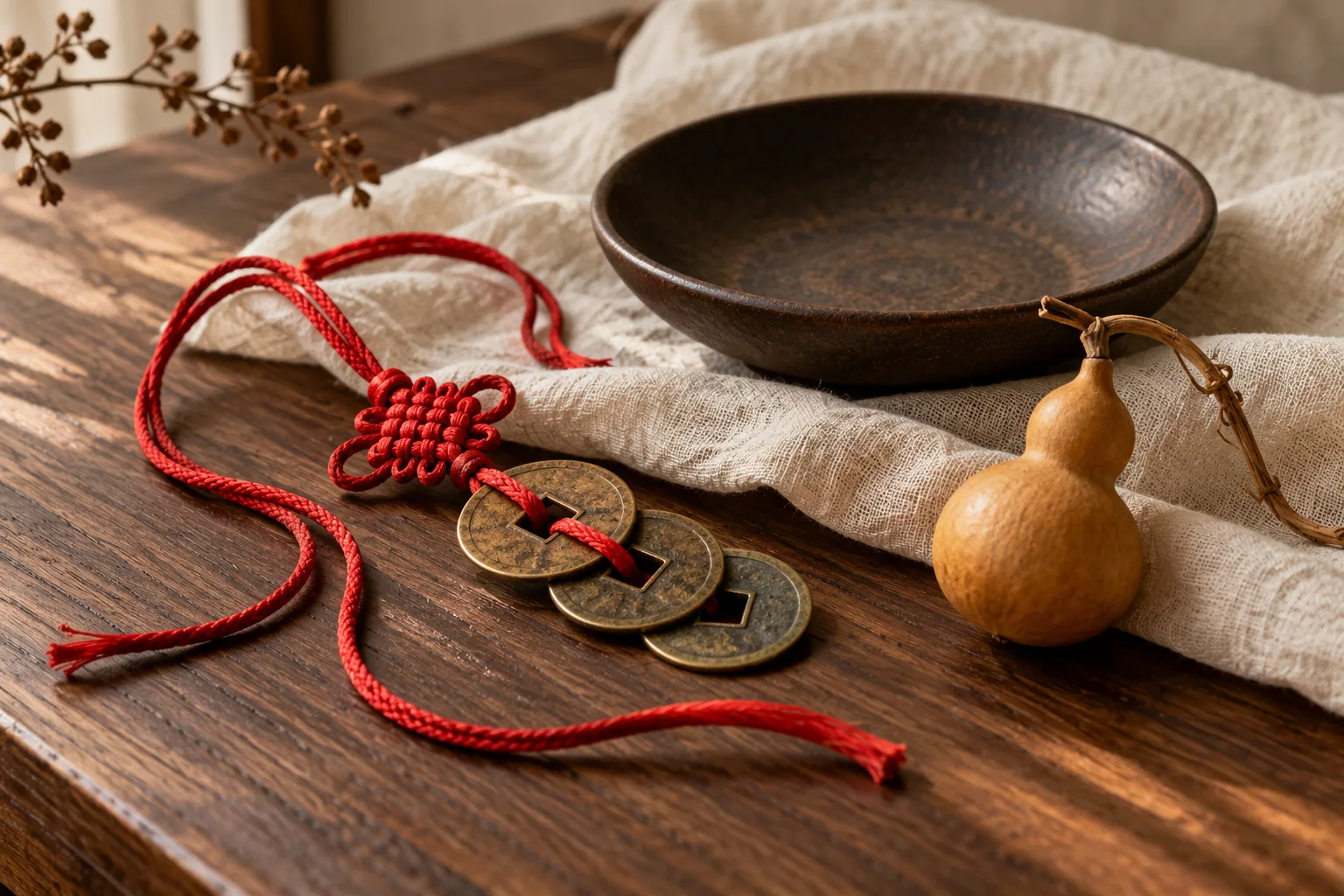
Auspicious color and new beginnings
Red commonly expresses celebration and good fortune in Chinese festival culture. A red string can therefore carry a wish for peace, a returning animal year or the start of a personal chapter. The message may be as simple as wishing a family member a smooth path ahead.
Red is not exclusive to one culture. Religious, regional and family practices can give cords different meanings, knot structures and wearing conventions. A clear personal wish is more useful than merging every circulating story into one object.
Plain cord, knotwork or bead accents
A plain cord keeps the appearance simple, knotwork adds texture and volume, and a bead or carving makes a theme more explicit. There is no requirement that every person use the same number of knots or components. Sleeves, daily activities and a preference for adjustment all affect the design.
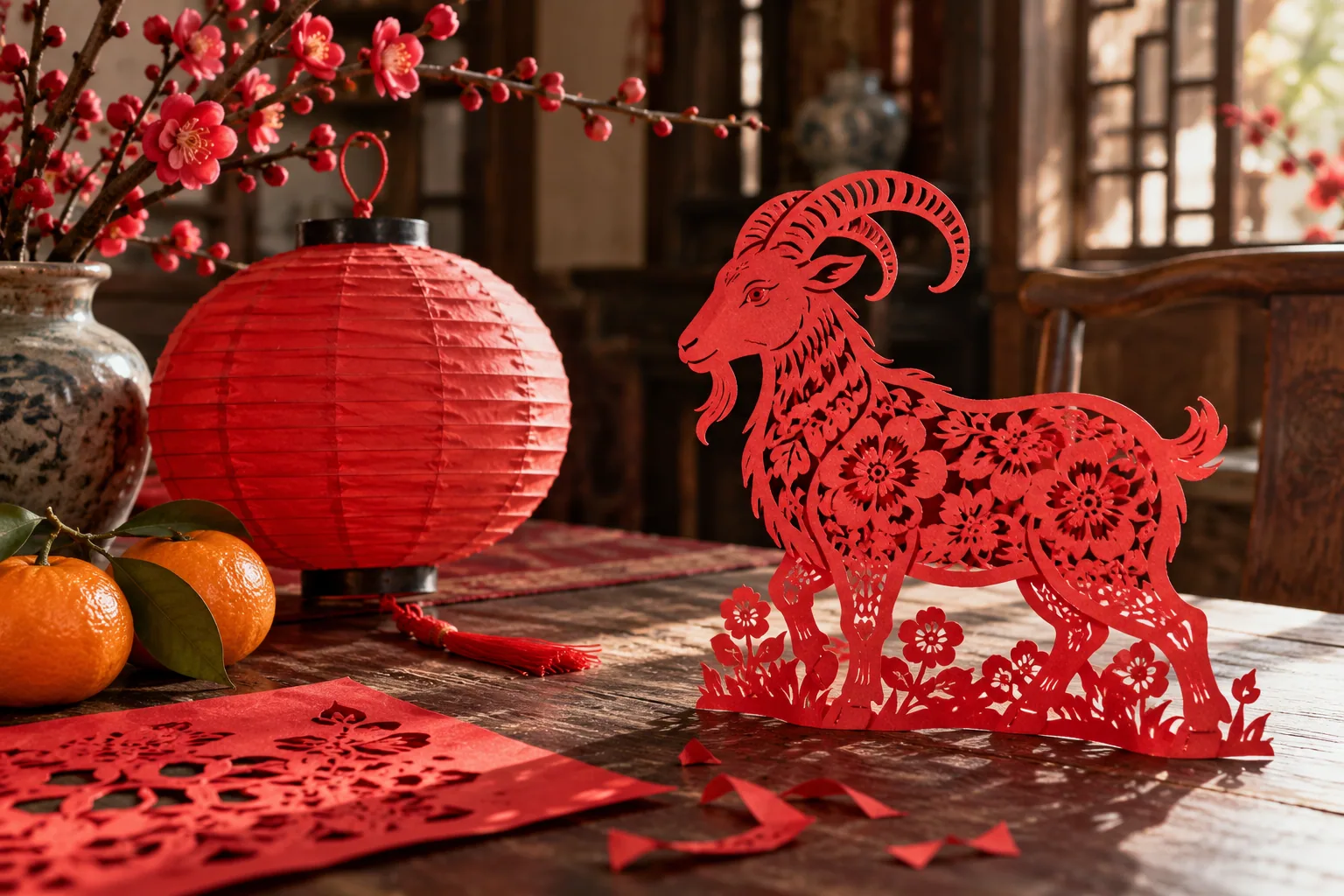
A small accent bead might use a red-agate or clear-quartz direction; a cord-led design emphasizes fiber, width and finishing. The existing stone catalog can provide material references, but its bead bracelets are not automatically available as red-string versions.
Confirm a pendant, text or religious motif separately, including its source and material. Gold-colored components are not necessarily solid gold, and a photograph alone does not identify the cord fiber.
A zodiac-year or companionship gift
Red can express a protection and new-beginning wish in a returning animal year without becoming an obligation for everyone. A birthday, anniversary or a loved one’s journey can also be a natural occasion for the gift.
Two people can share a red theme while choosing different widths, accents and sizes. A common intention does not require identical wrist measurements. Whether the recipient likes a close fit or added components matters to the finished item.
Your preferred colors can guide the choice of companion materials. A simple auspicious design can instead follow color and everyday taste. Both approaches can carry a clear message.
Different religious and cultural names
Searches may use Buddhist, Tibetan, Kabbalah or Hamsa descriptions, which refer to different cultural contexts rather than interchangeable terms. A cord’s source or involvement in a ceremony needs actual information.
Chabad’s discussion of red strings illustrates differing views even within one religious context. Respecting a tradition means describing its source clearly, rather than assigning every religious meaning to any red cord.
Include any particular cultural or faith tradition in your brief. The knots, symbols, components and wearing direction can then be discussed in that context. A blessing can live in a few chosen words or one thoughtful detail in the design.
Size and closure
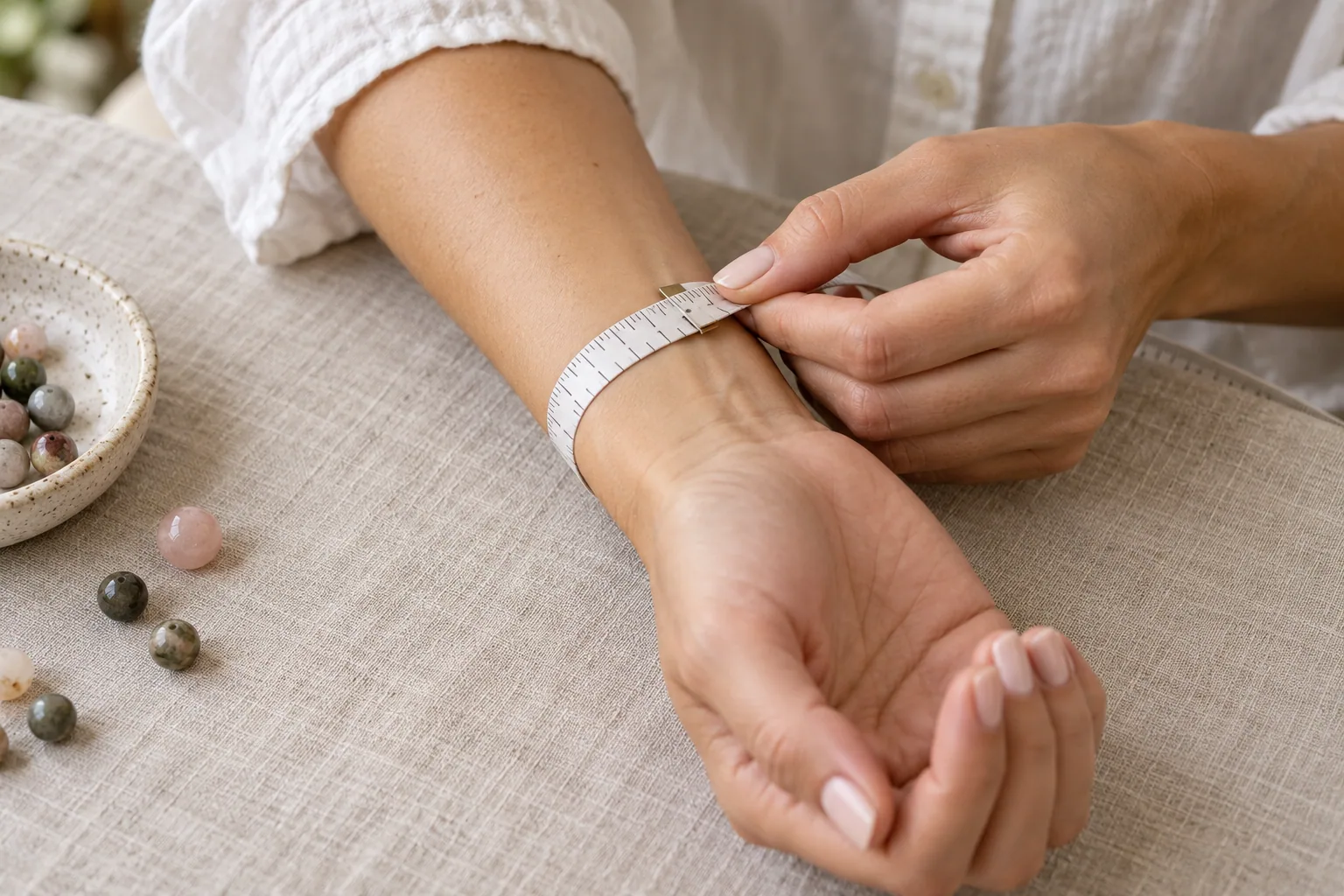
Red-string bracelets also need a wrist measurement. An adjustable design depends on its usable range, end length and ease of operation. A fixed design depends more directly on the agreed circumference. Fine cord, wider knotwork and bead accents each feel different on the wrist.
Record the snug wrist measurement and describe preferred room separately. For a gift, learn which cord structure the person already enjoys. A special fit or component preference can then be included in the proposal.
Care for the everyday object
Cord and stone have different care needs. The appropriate cleaning method depends on the confirmed fiber, dye, components and structure. Watch for wear and loose knots, and avoid repeatedly pulling the piece to change its size.
Wear is part of an object’s daily history. Check for fraying and replace a loose or worn cord. If the intention still matters, the cord can be replaced or remade, and sound components can be retained as keepsakes.
Questions & answers
How do I order a red-string bracelet?
Red-string designs are made to an agreed personal brief. Choose plain cord, knotwork or a beaded direction and tell us the wrist size and occasion. We confirm the cord, components, structure and quote; paired and family designs can be arranged together.
Must it be on the left wrist with a fixed number of knots?
Practices differ. Everyday design follows comfort and construction; a particular tradition can be specified and considered on its own terms.
Can I request related designs for a couple or family?
Yes. Two cords can share a color and knot style while each is fitted to its wearer and chosen details. We specify and quote each design separately.