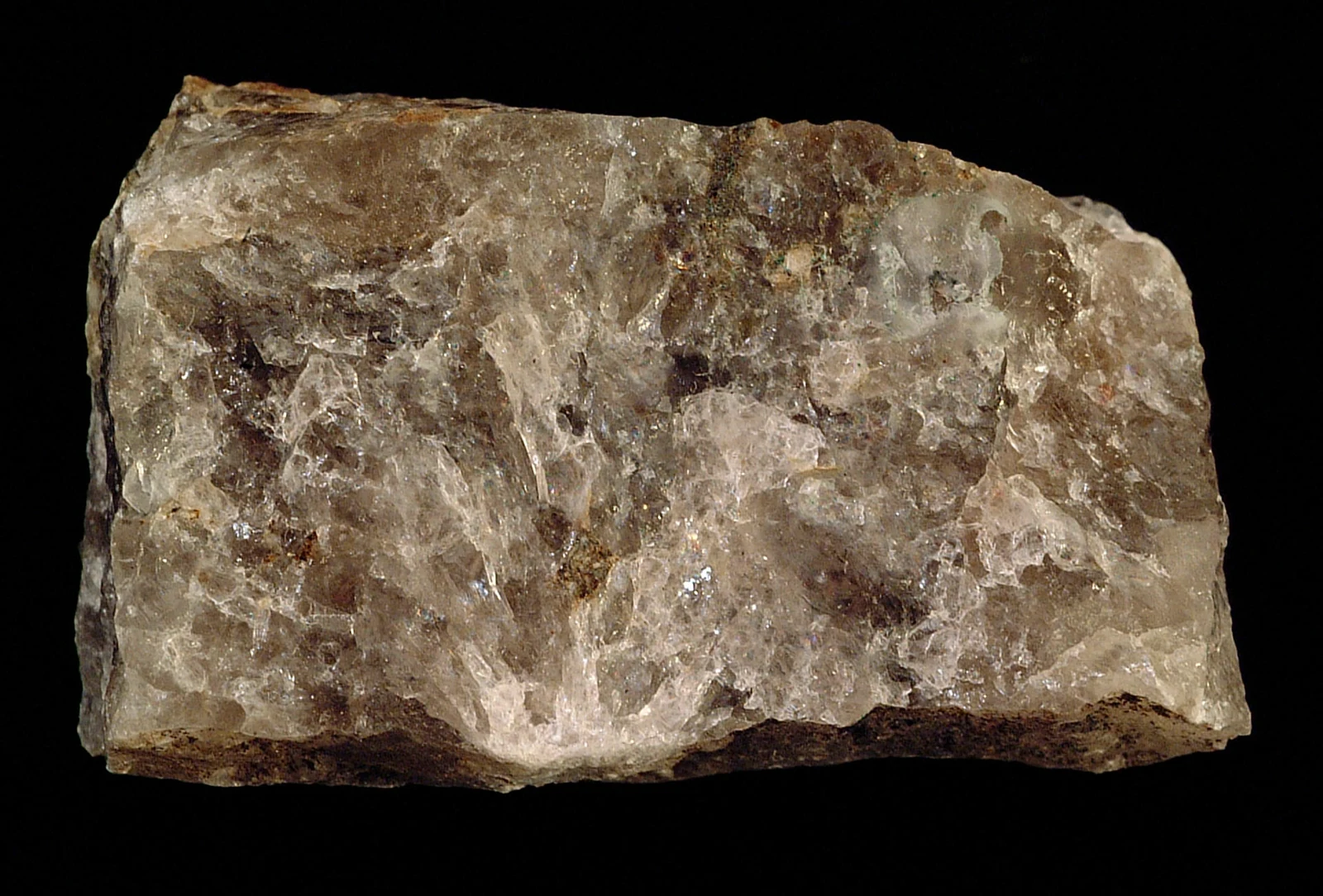
Brown tones and transparency
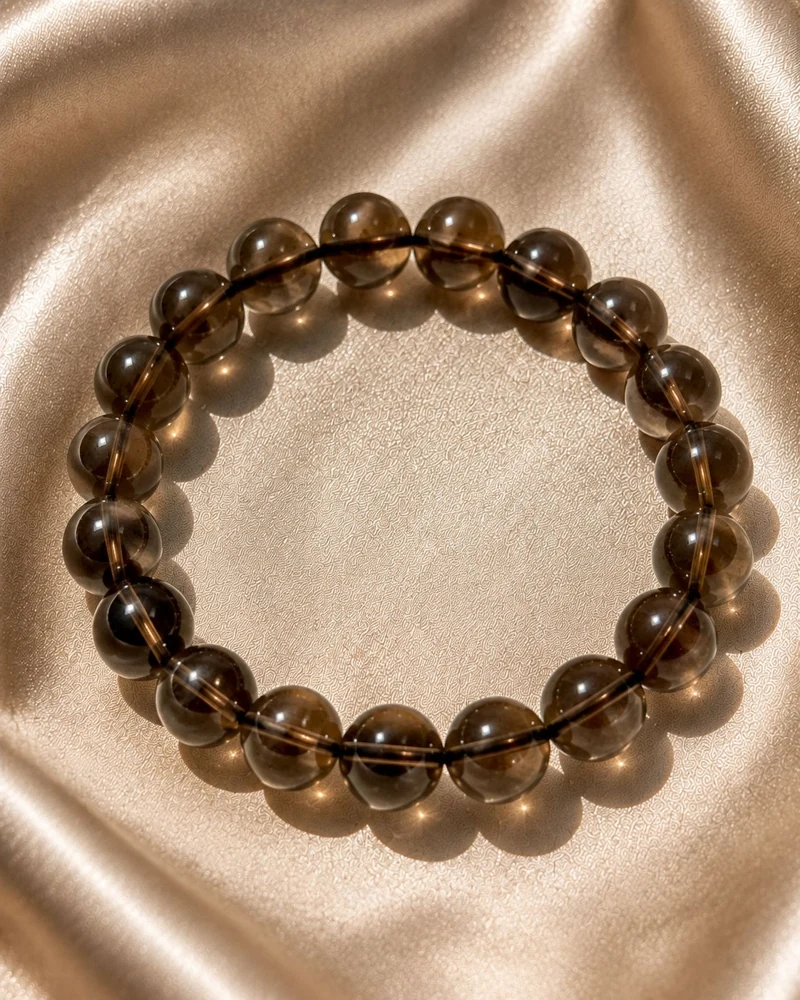
Smoky quartz is a brown quartz variety, from a light tint to a tone approaching black. Bead thickness, illumination and angle can change how dark it looks. If light transmission attracts you, compare the edges and the whole bracelet under everyday lighting.
Darkness does not automatically mean greater value, and a lighter color does not necessarily establish greater clarity. Dimensions and internal features matter too. Strong backlighting can reveal one aspect of a stone, but should not replace its normal wearing appearance.
Smoky quartz and other dark materials
Tea quartz and smoky quartz are common names used for the brown quartz material. Obsidian is different, and tiger’s eye has its own light-band effect. You can compare them as dark-colored choices while keeping their identities and appearances distinct.
Brown-yellow trade descriptions near the boundary with citrine also need a specific material explanation. A vague name is a reason to ask what is actually being offered. Photographs show the look; the material and treatment description provide the information needed to understand it.
Color origin and treatments
Smoky color can relate to natural irradiation during the material’s history, while commercial quartz may also receive irradiation or heat to alter color. These are formation and treatment details that cannot be read completely from a light or dark brown photograph.
If a particular natural-color or treatment requirement matters, request information tied to the actual item. Disclosed material can be selected on its own terms; the useful aim is to understand what is offered rather than guessing from an image.
The catalog uses the name smoky quartz without a blanket origin or untreated-status claim for every piece. More specific requirements can be included alongside bead size and companion preferences when a personal composition is proposed.
Steadiness, home and continuity
Brown smoky quartz often appears in this collection’s Earth, home and continuity themes. It can carry a wish for a settled life, peaceful family days or gradual accumulation. Its appearance is quieter than bright citrine, making it an option for someone who enjoys understated color.
Preserved Fortune uses smoky-quartz rounds in one continuous material, with changing brown tones in the light. Its intention centers on preserving what matters and finding steadiness in daily life. Look at the overall translucency and proportion, and describe any particular bead-size preference in your order request.
Brown can form a warm transition with gold or a quieter contrast with pale blue. For a personal design, decide whether smoky quartz should lead or appear as an accent, then discuss the other colors through favorable elements and the year’s intention. A calm design does not require every bead to be equally dark.
Comparing smoky quartz prices
Rough material, large carvings, faceted gems and bracelets are not directly comparable by one price unit. A bead bracelet also involves matching, bead diameter, polishing and other ingredients. Single-material and mixed designs are different finished purchases.
Start with whether the color appeals under ordinary light, then look at the relationship between beads and the workmanship. Very dark material can obscure interior detail. For a lighter tea-brown preference, check whether the complete bracelet still has the amount of color you want.
Ready-to-wear prices belong to the individual products. A specific color-origin requirement, report, accessory or personal rearrangement adds conditions and receives a quote for the confirmed composition.
Wearing and cleaning
Use gentle care and avoid high heat, drops and hard knocks. Clear away surface grit before wiping. A mixed bracelet also needs care suitable for wood, aquamarine or other companion materials.
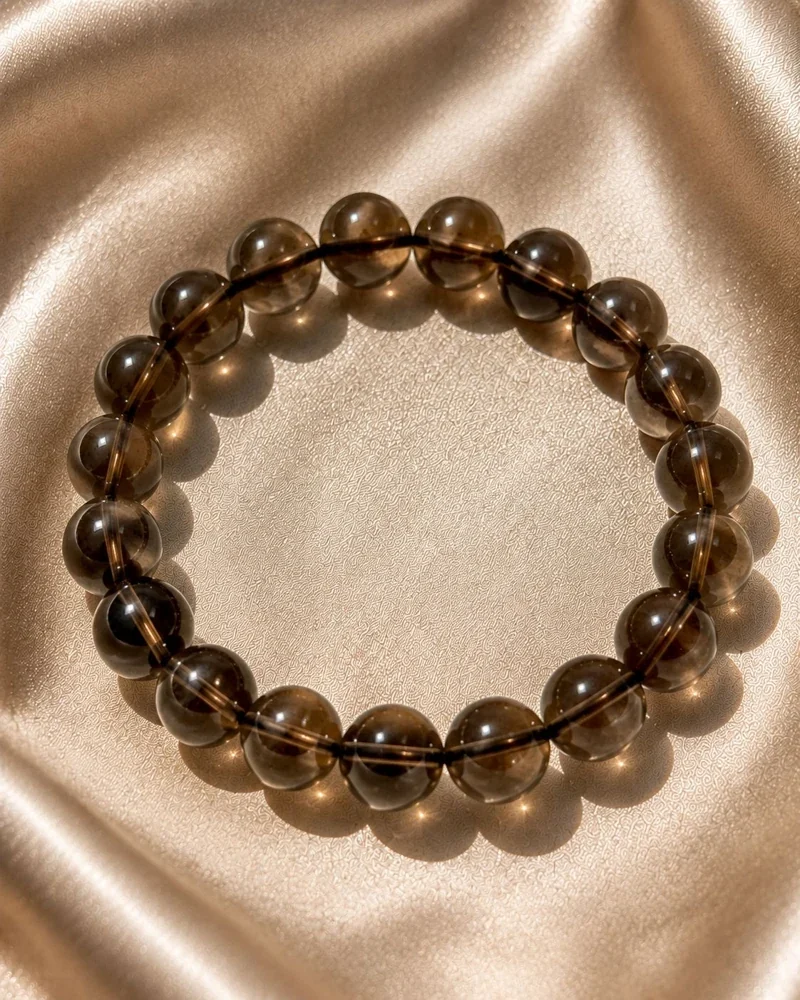
A steady-life intention can suit everyday wearing, a birthday or a new-home gift. Choose bead diameter and wrist fit separately. The 6 mm single-material design offers a finer scale, while the 8 mm pairings provide more color contrast.
Questions & answers
Does very dark smoky quartz become obsidian?
No. Smoky quartz is quartz, while obsidian is volcanic glass. A similarly dark appearance does not make their material identities interchangeable.
Is smoky quartz always cheaper than citrine?
Not across all specifications, material requirements and finished forms. Compare actual items under clear conditions rather than ranking names alone.
What does grounding mean in smoky quartz descriptions?
Modern crystal traditions use it for a sense of steadiness and rootedness. Here it is cultural and intention-based language, not a medical effect or physical electrical-grounding function.