Vivqo · 惟祺 · Explore the traditions
Stones, traditions & bracelet guides
Explore the materials, meanings and traditions behind Five Elements bracelets, birth charts, the Chinese zodiac and everyday spaces. Start with the question that brought you here.
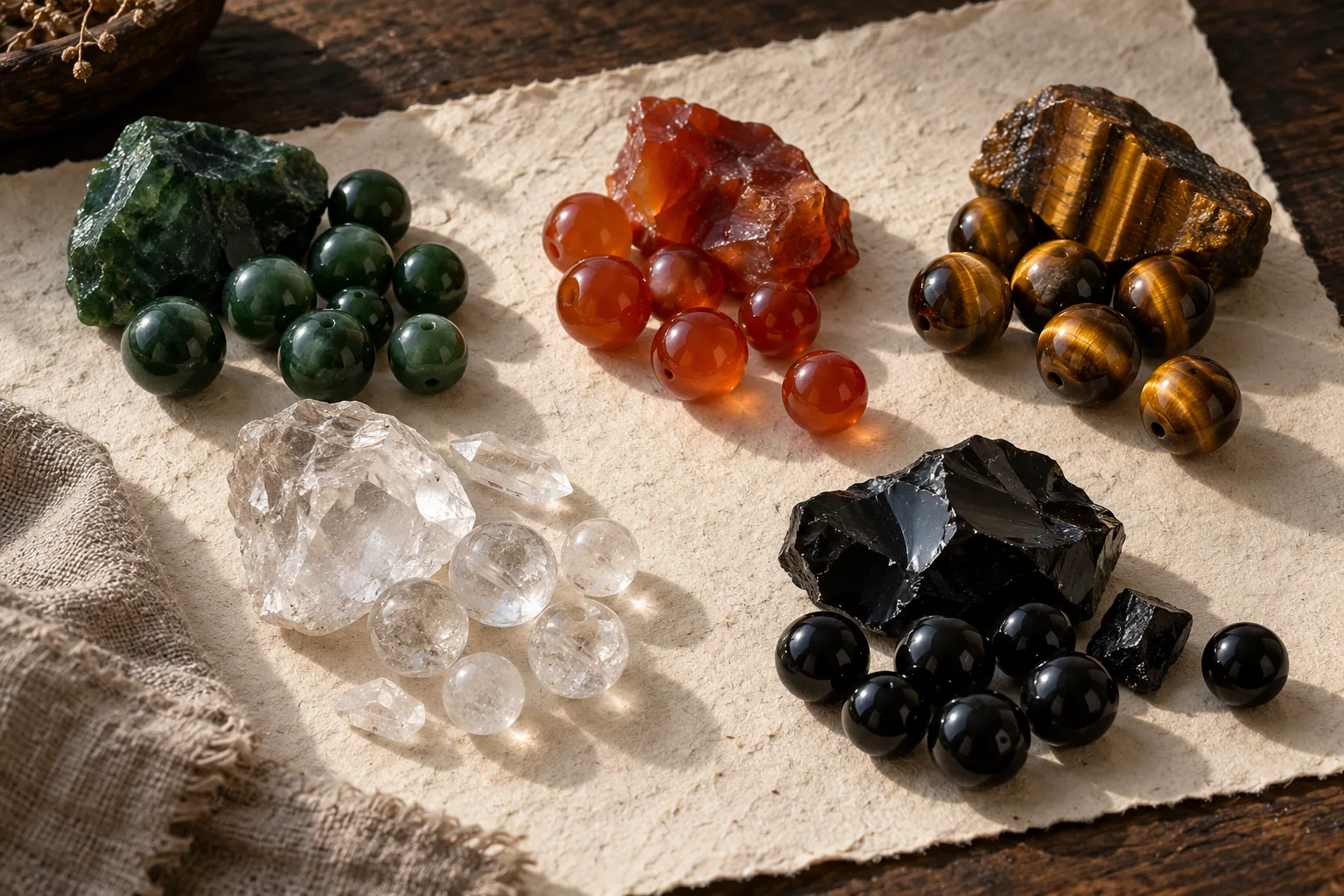
Stones & materials
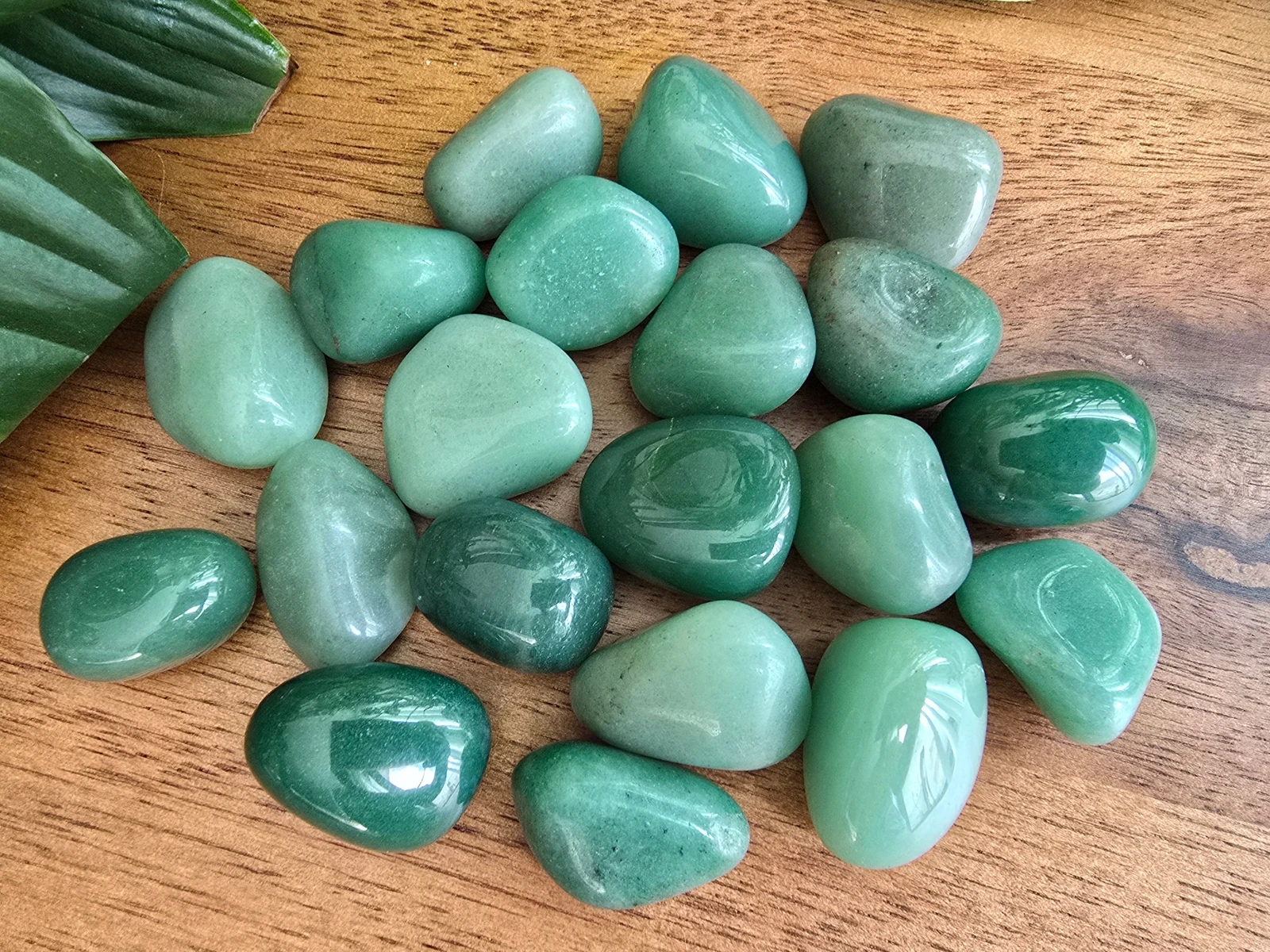 Green Aventurine: Meaning, Appearance and ChoiceGreen aventurine combines a green body color with a subtle sparkle. In Five Elements designs it often expresses growth, learning and new opportunities. Understanding the material and its companions makes the choice more personal than a general good-luck label.
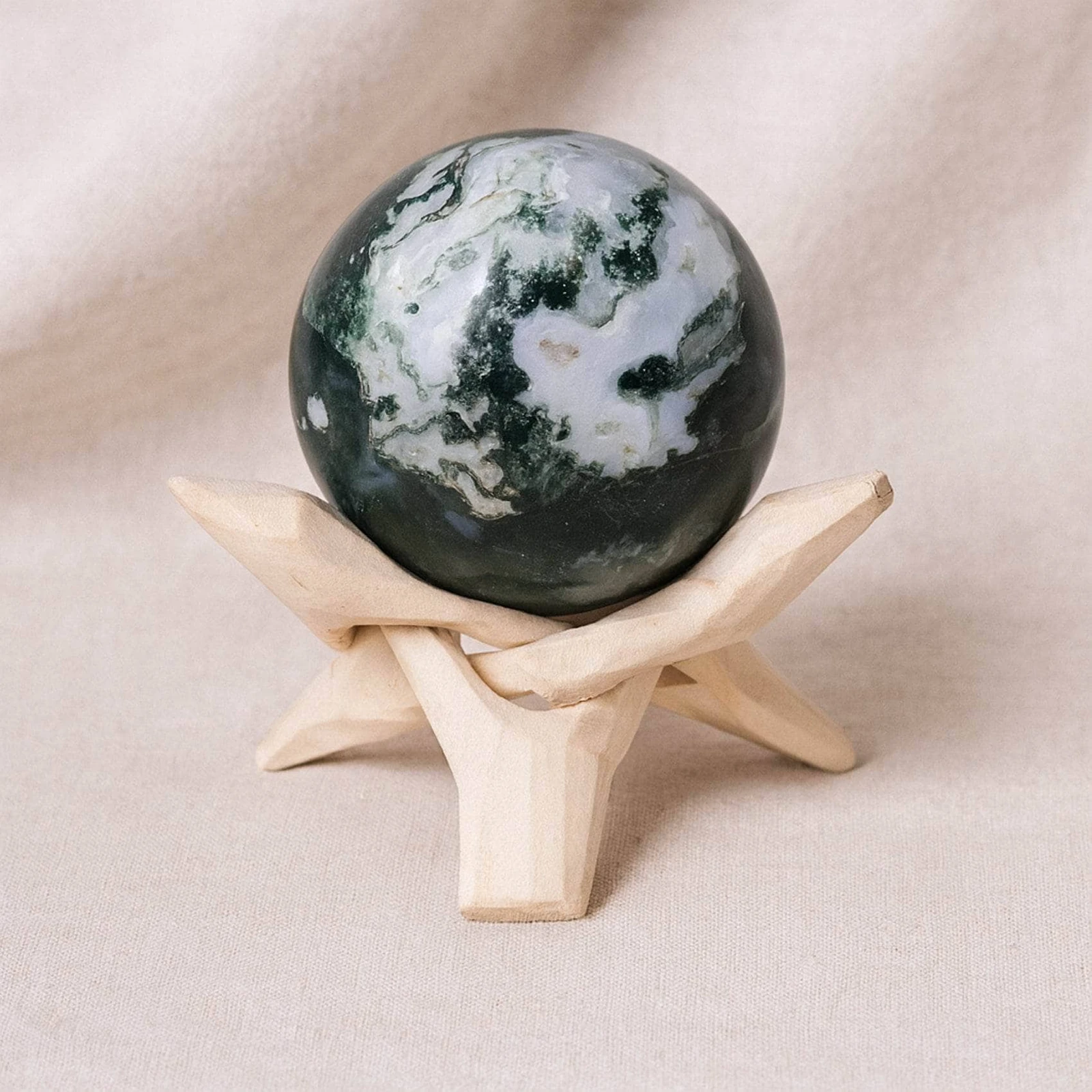 Moss Agate: Patterns, Meaning and ChoiceMoss agate invites a closer look inside the bead. Green or darker patterns resemble branches against a clear or misty background. In Wood-themed designs, that landscape-like appearance brings a sense of growth and gives each composition its own rhythm.
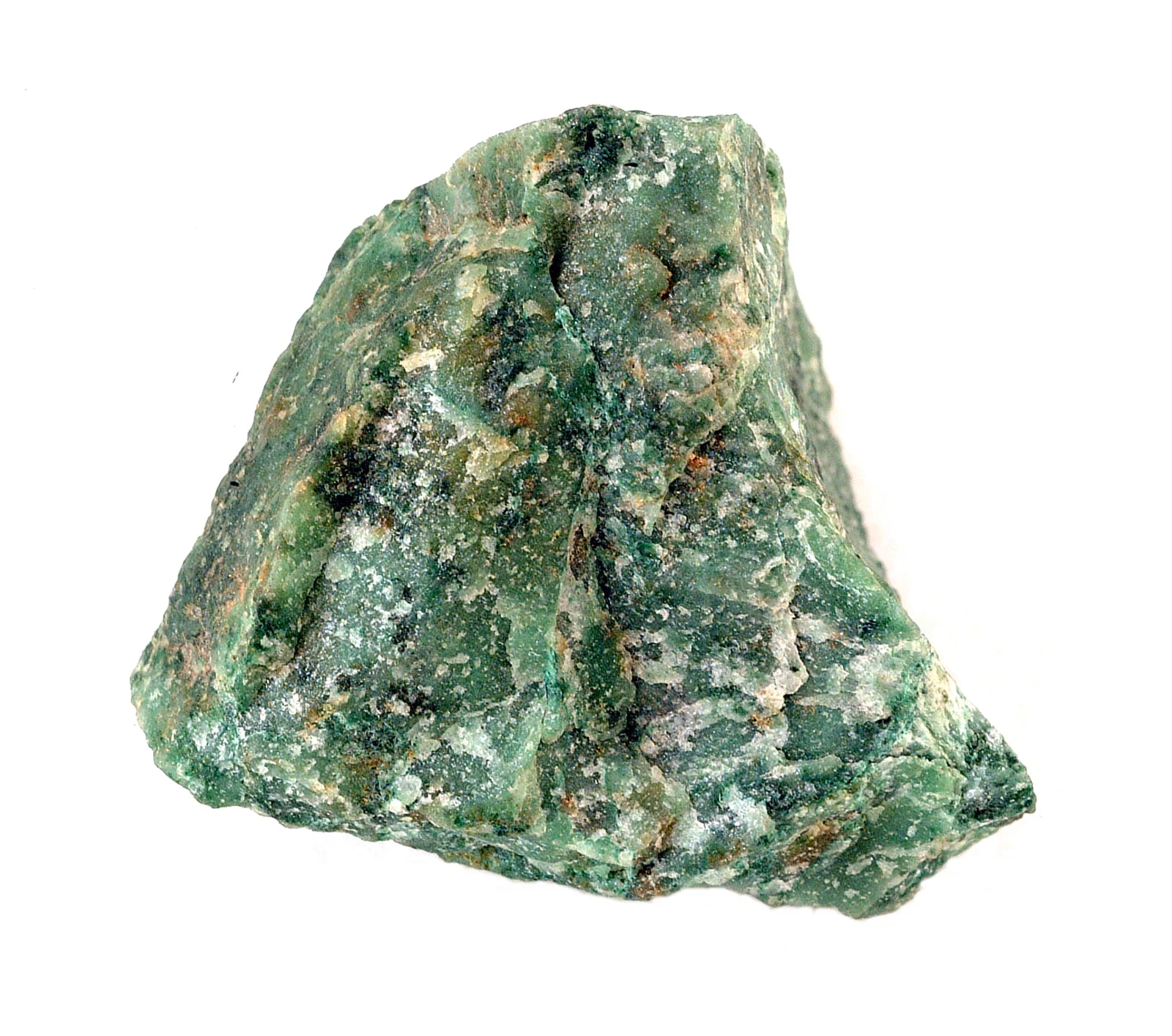 Jade, Jadeite and Nephrite: Names, Meaning and ValueJade can carry an auspicious wish, but its name also deserves a closer look. Jadeite, nephrite, color names and place names do not describe the same thing. Understanding the distinction helps you identify what you actually want to wear.
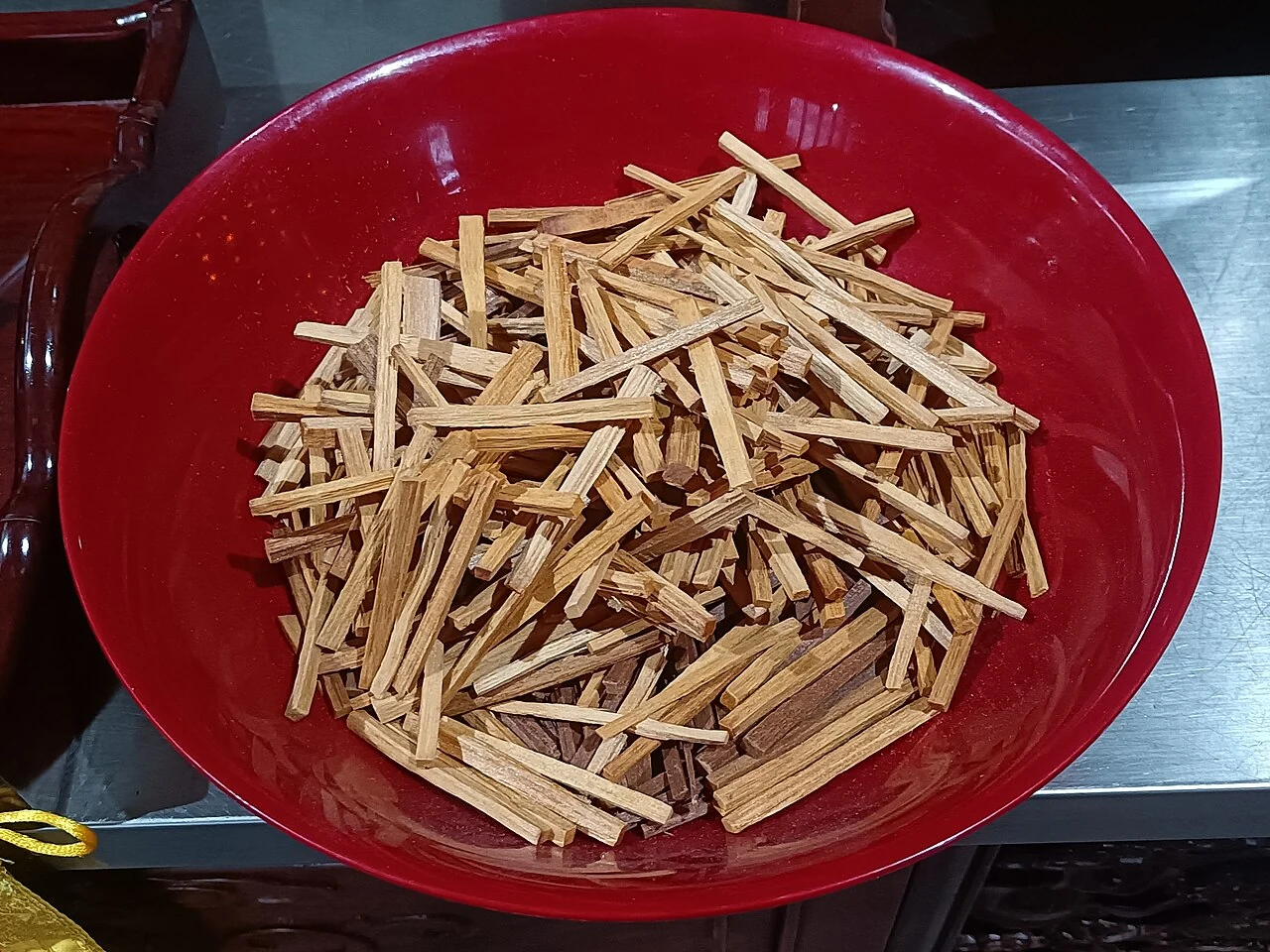 Sandalwood Bracelets: Wood, Prayer Beads and PairingsWood brings grain and a quiet visual character to a bracelet. Sandalwood also appears in prayer-bead traditions, but religious use, everyday wrist fit and Five Elements compositions involve different choices. The material and intended use deserve equal attention.
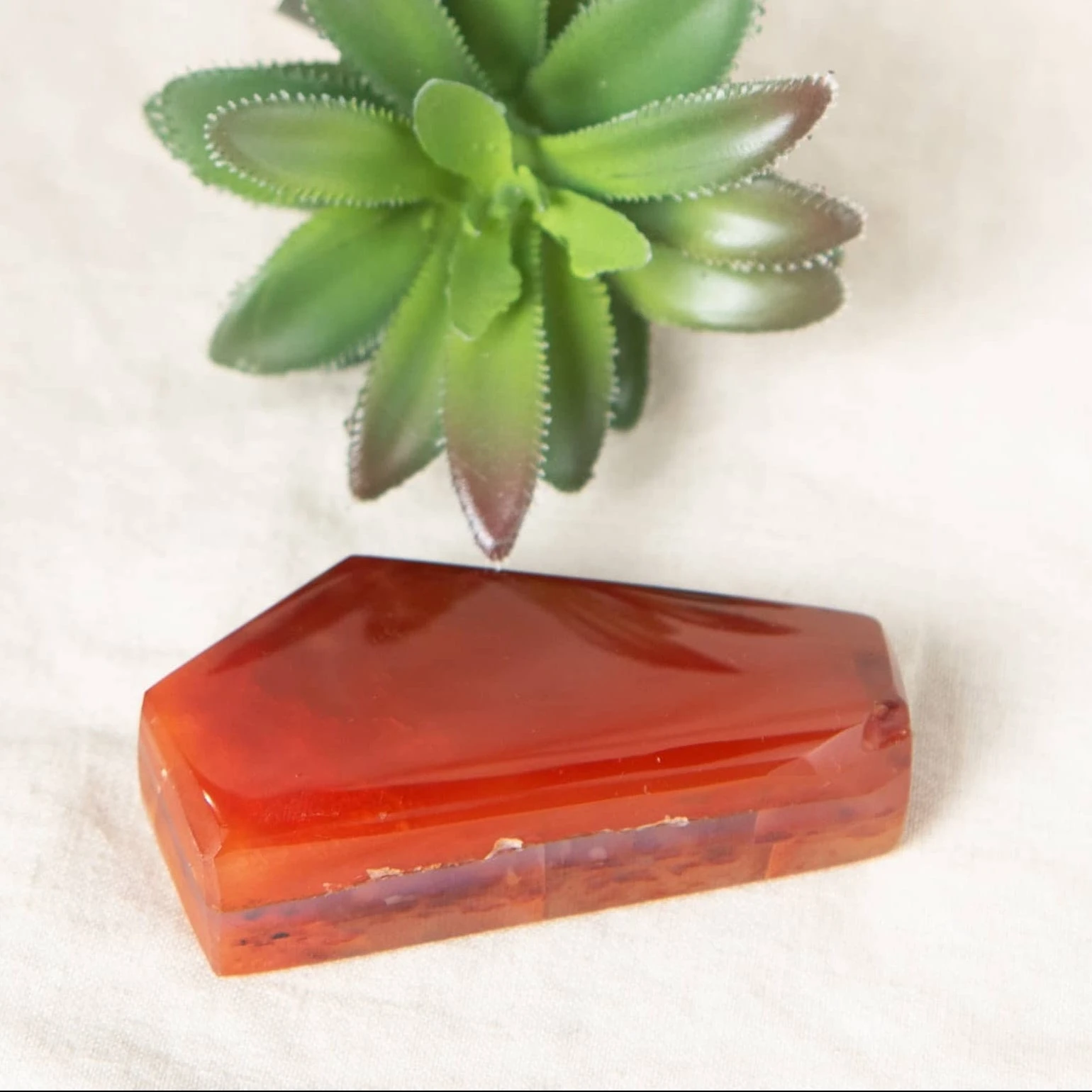 Choosing Carnelian: Colour, Treatments, Bead Size & WorkmanshipCarnelian’s orange-red appearance gives Five Elements bracelets a warm, lively character. It often carries Fire intentions of new beginnings and celebration. Its color and translucency vary, so the material you enjoy and the wish behind it both matter.
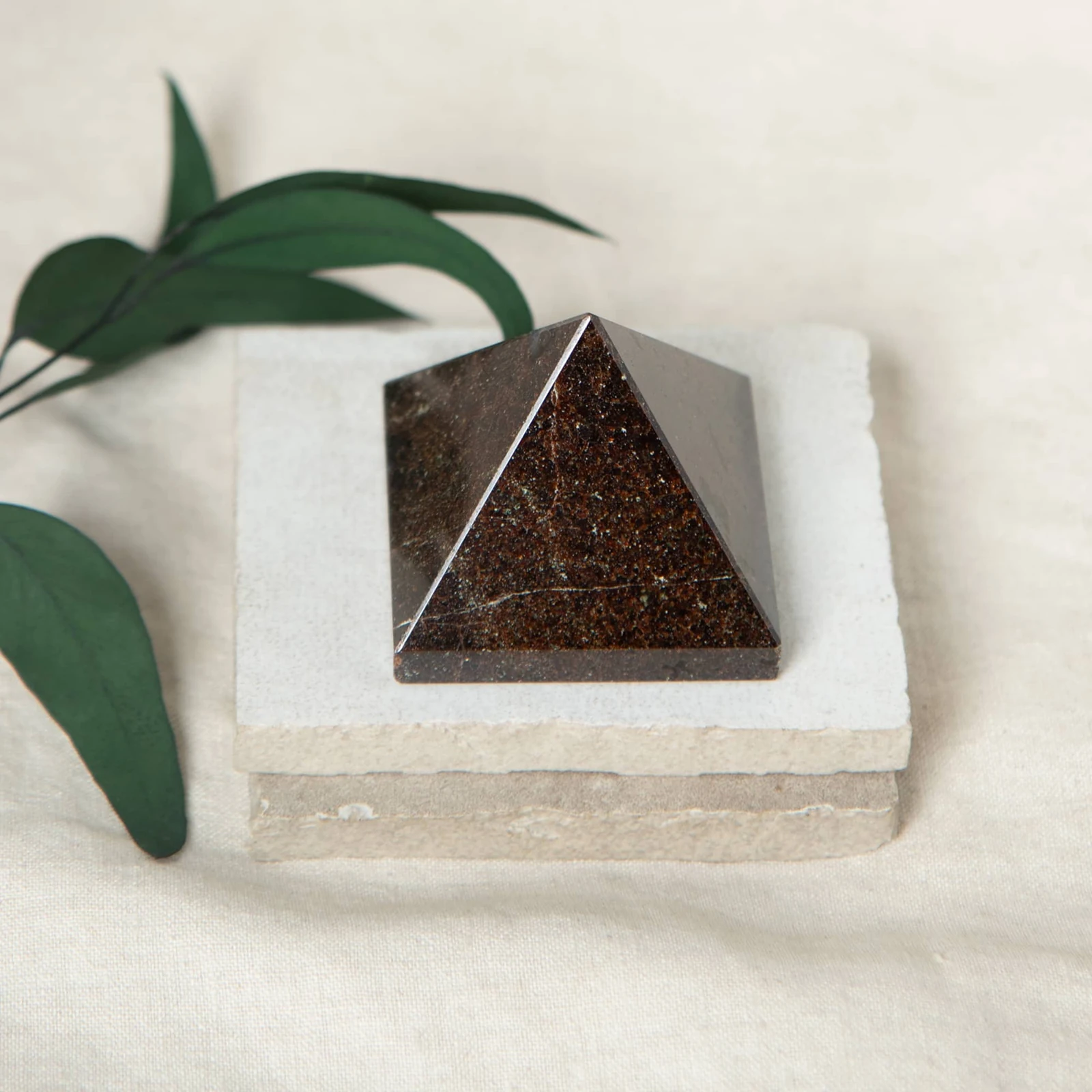 Garnet: Color, Value and MeaningDeep-red beads are garnet’s most familiar appearance, but garnet names a group of gem materials. Knowing the variety and the form of the finished item helps make discussions of color, price and meaning more useful.
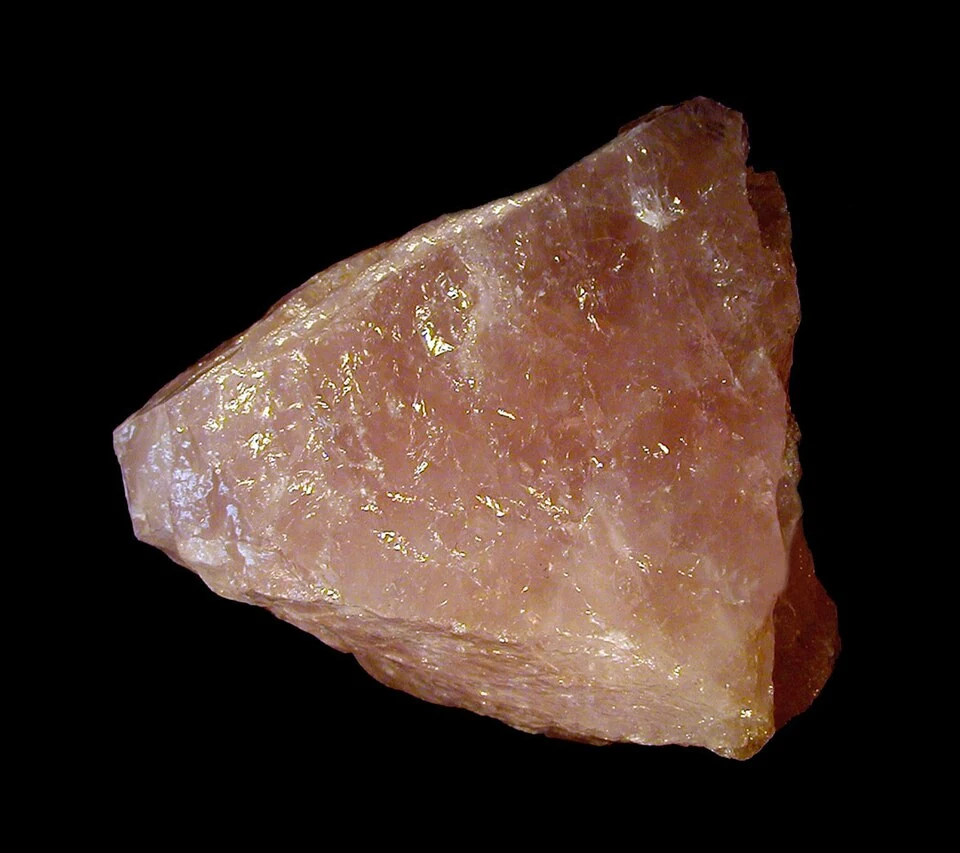 Rose Quartz: Color, Affinity and ValueRose quartz is familiar for pale pink color and a soft, hazy appearance. It often carries wishes for affinity, companionship and harmony. Choosing a piece involves both the pink you enjoy and the form and companion materials you want to wear.
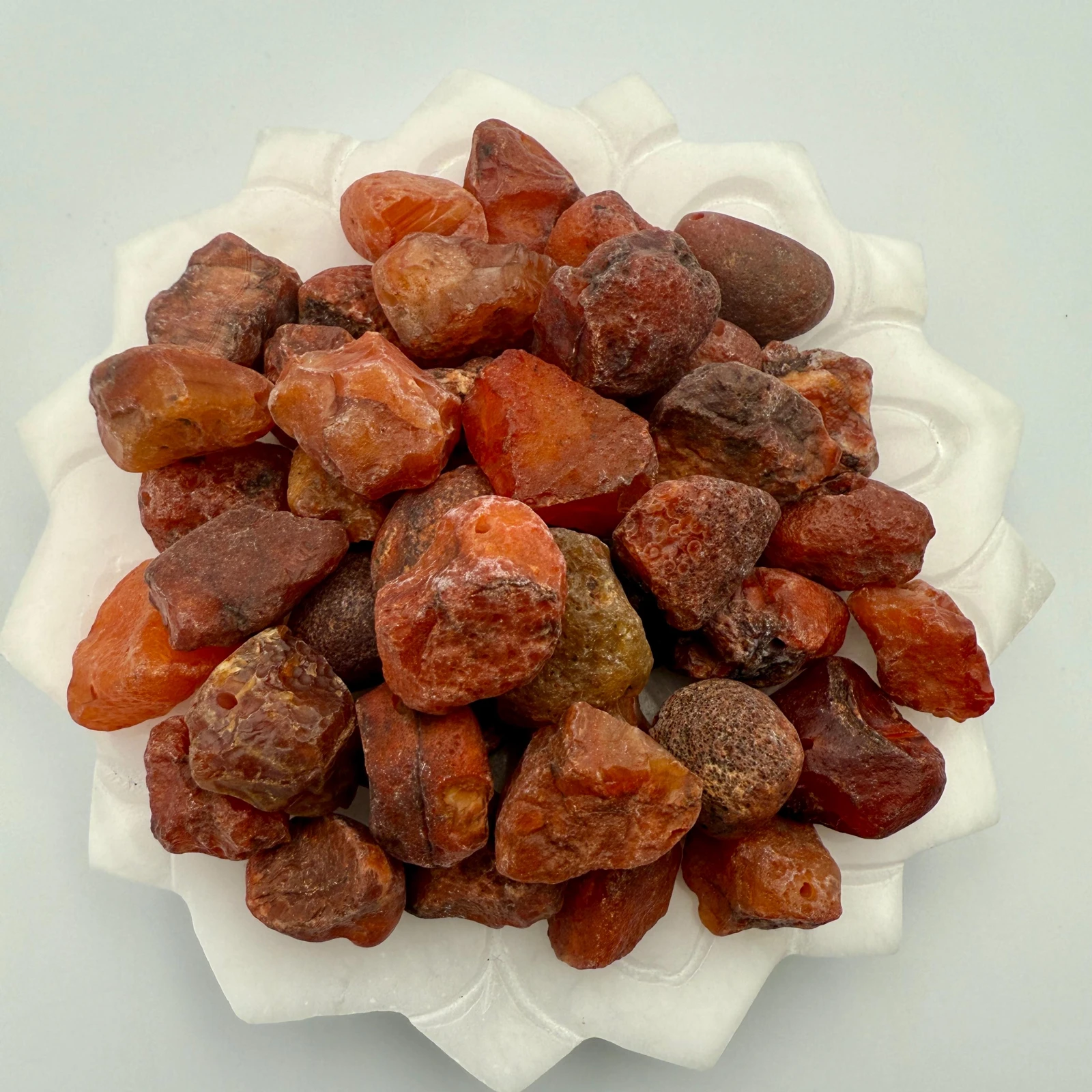 Red Agate: Color, Meaning and Everyday ChoiceRed agate brings an auspicious red into an everyday bracelet. It can be paired with pale quartz or darker companions. Clear material and color information helps you choose a red you enjoy and a blessing that feels personal.
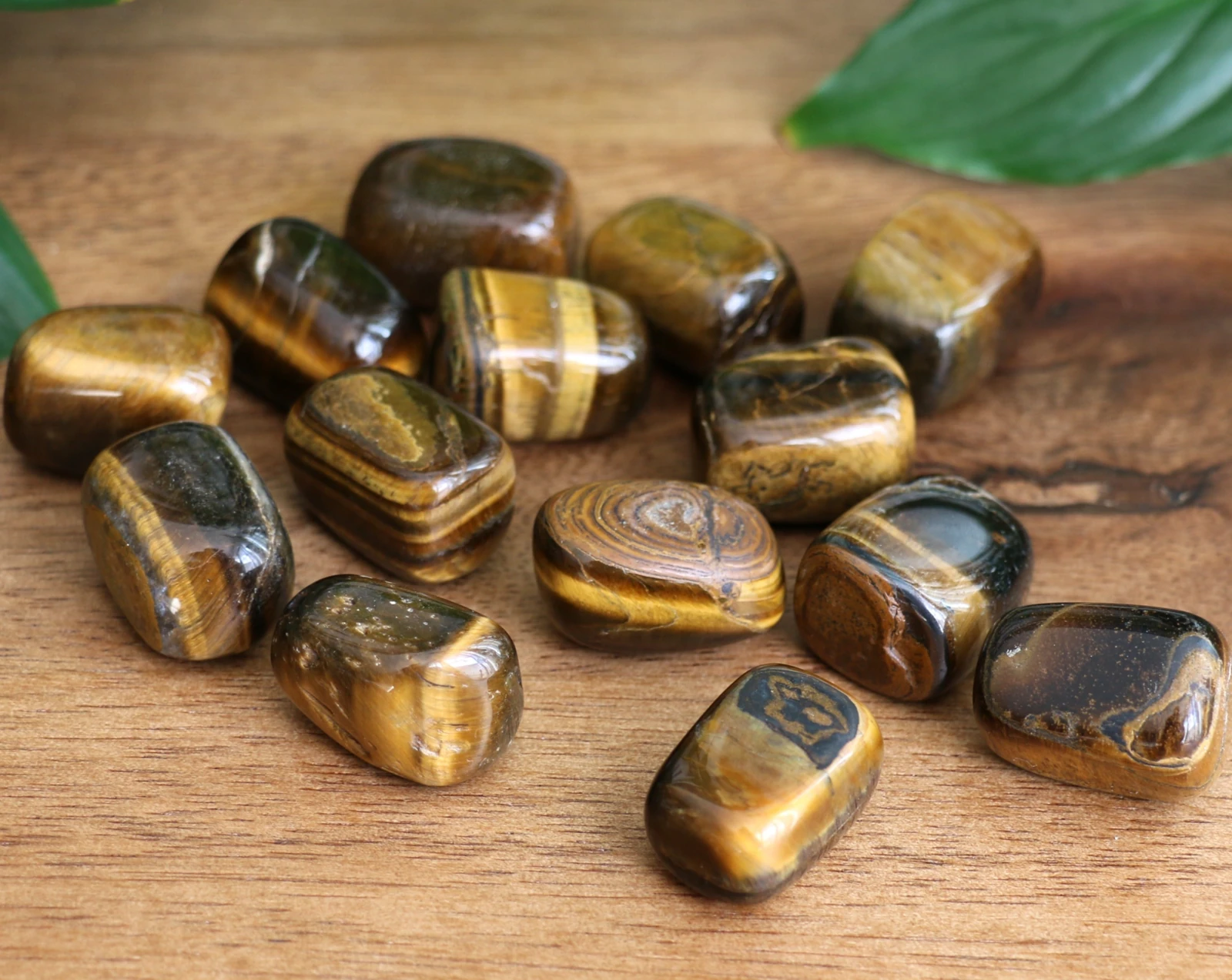 Tiger’s Eye: Light, Color and MeaningTiger’s eye is recognized by a bright band that changes as the stone or light moves. Golden-brown color and darker markings complete the appearance, making it a familiar material for Earth-themed career and prosperity bracelets.
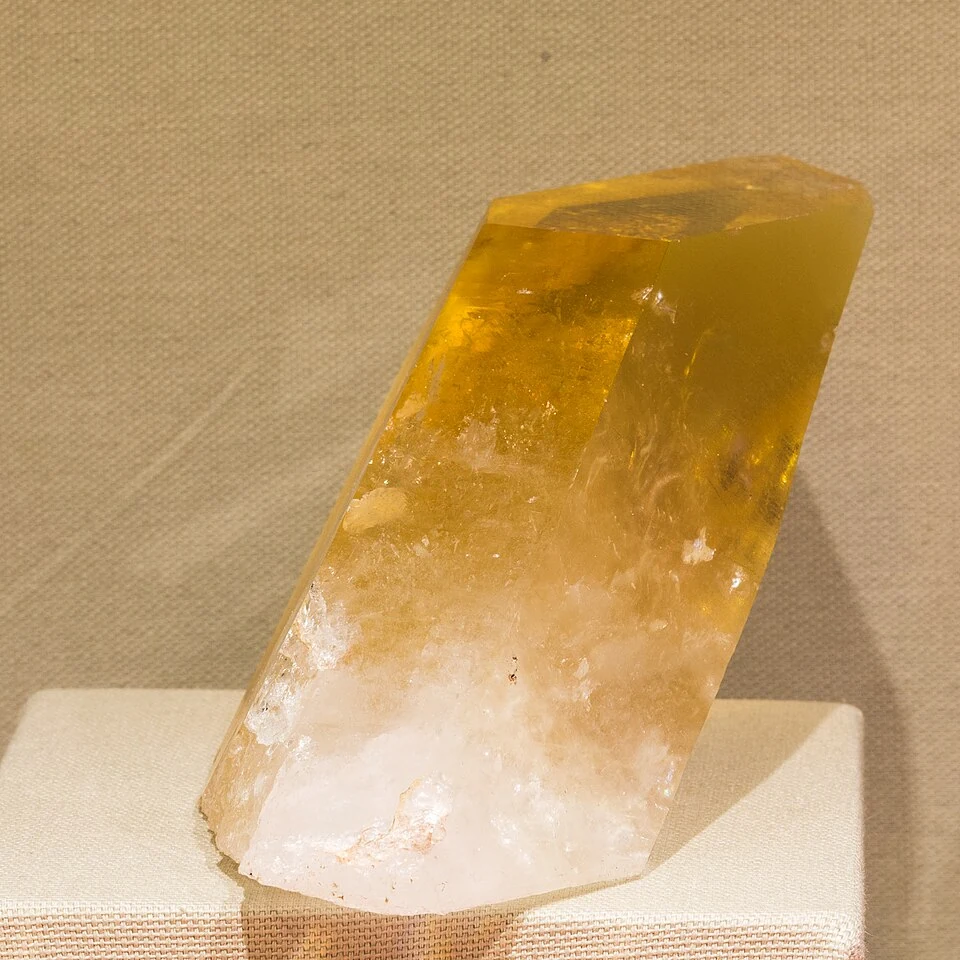 Citrine: Color, Prosperity Meaning and ChoiceCitrine is yellow to orange-brown quartz. Its warm appearance often carries a wish for prosperity and abundance. A useful choice brings together the color you enjoy, clear treatment information and the complete bracelet composition.
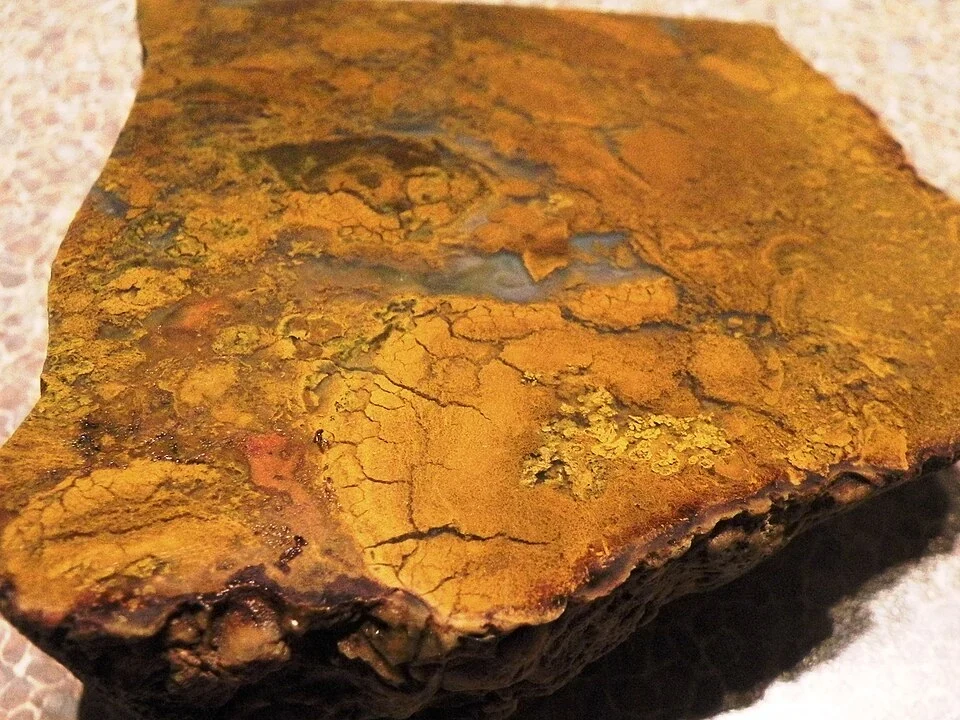 Yellow Jasper: Patterns, Names and MeaningYellow jasper is a quartz-rich ornamental material appreciated for warm color and pattern. In this collection it carries Earth intentions of a peaceful home and steady foundations. Its Chinese trade name should not be confused with every material called jade.
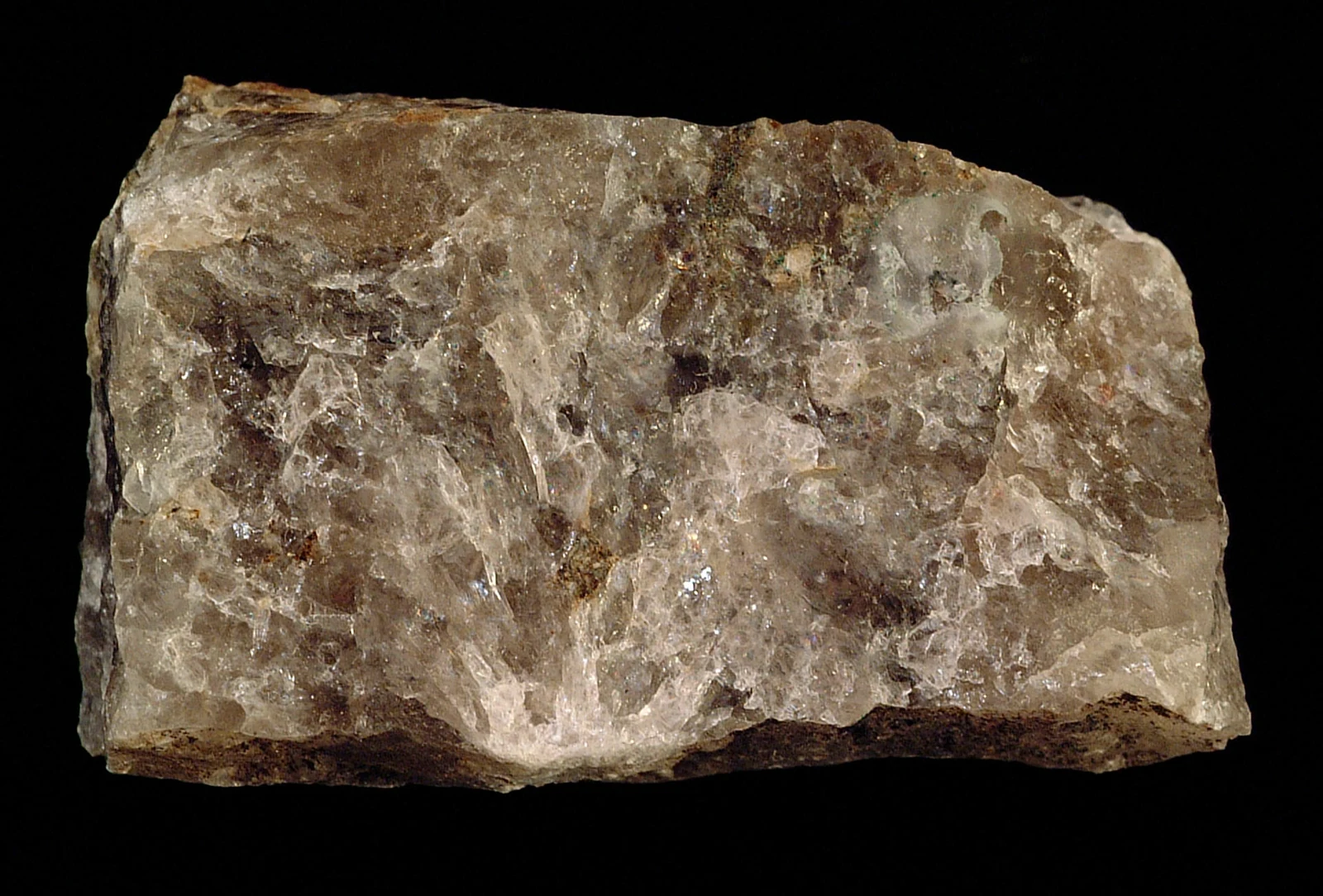 Smoky Quartz: Brown Color, Meaning and ValueSmoky quartz ranges from pale tan to deep brown. Its quieter color works alone or beside wood, yellow and pale-blue materials. In this collection it often carries a wish for steadiness, peaceful progress and preserving good foundations.
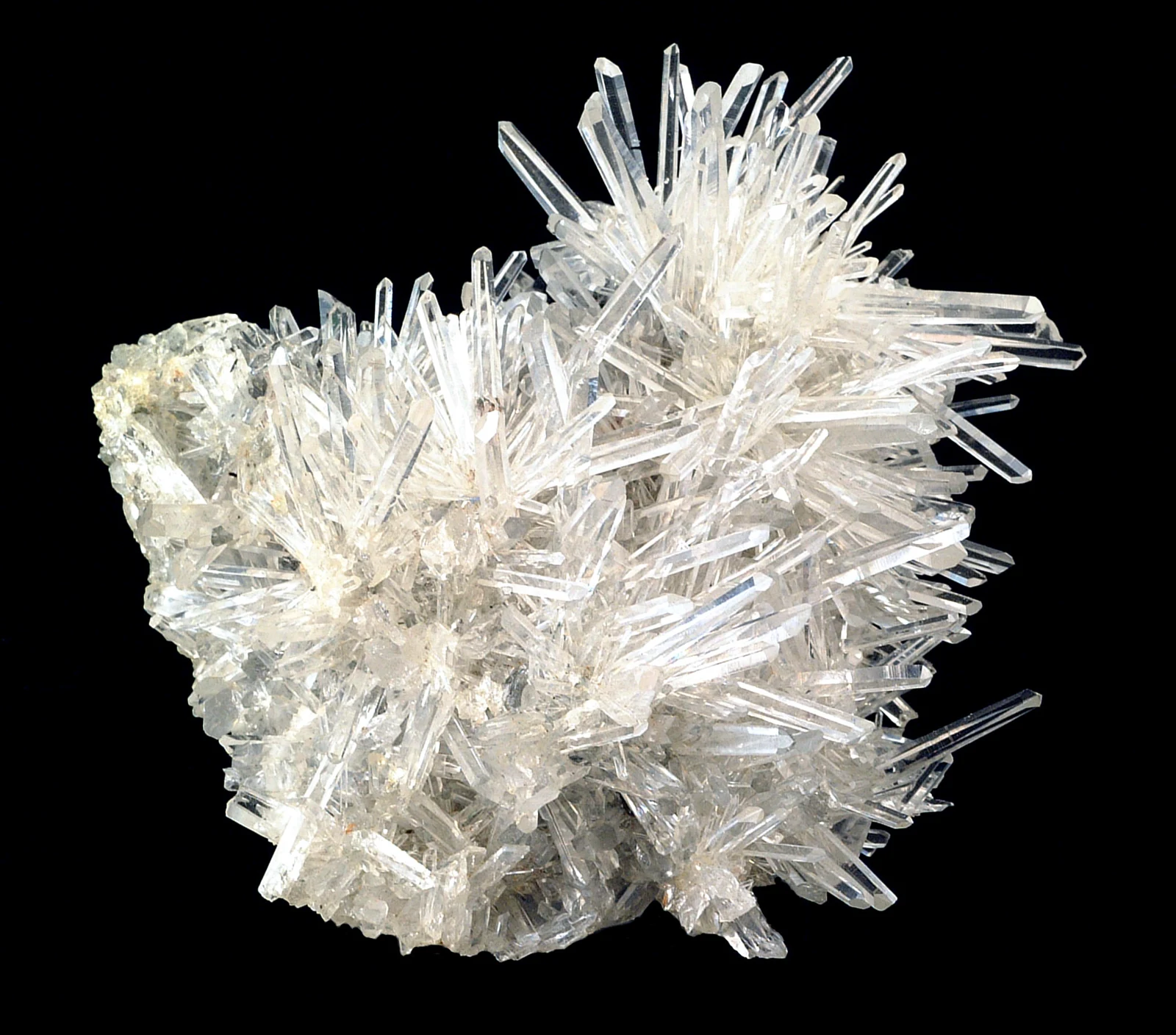 Clear Quartz: Names, Inclusions and MeaningClear quartz usually means colorless, transparent quartz. It can highlight the colors of companion beads or stand alone in a clarity-and-balance theme. Transparency, inclusions and the finished form each offer something different to appreciate.
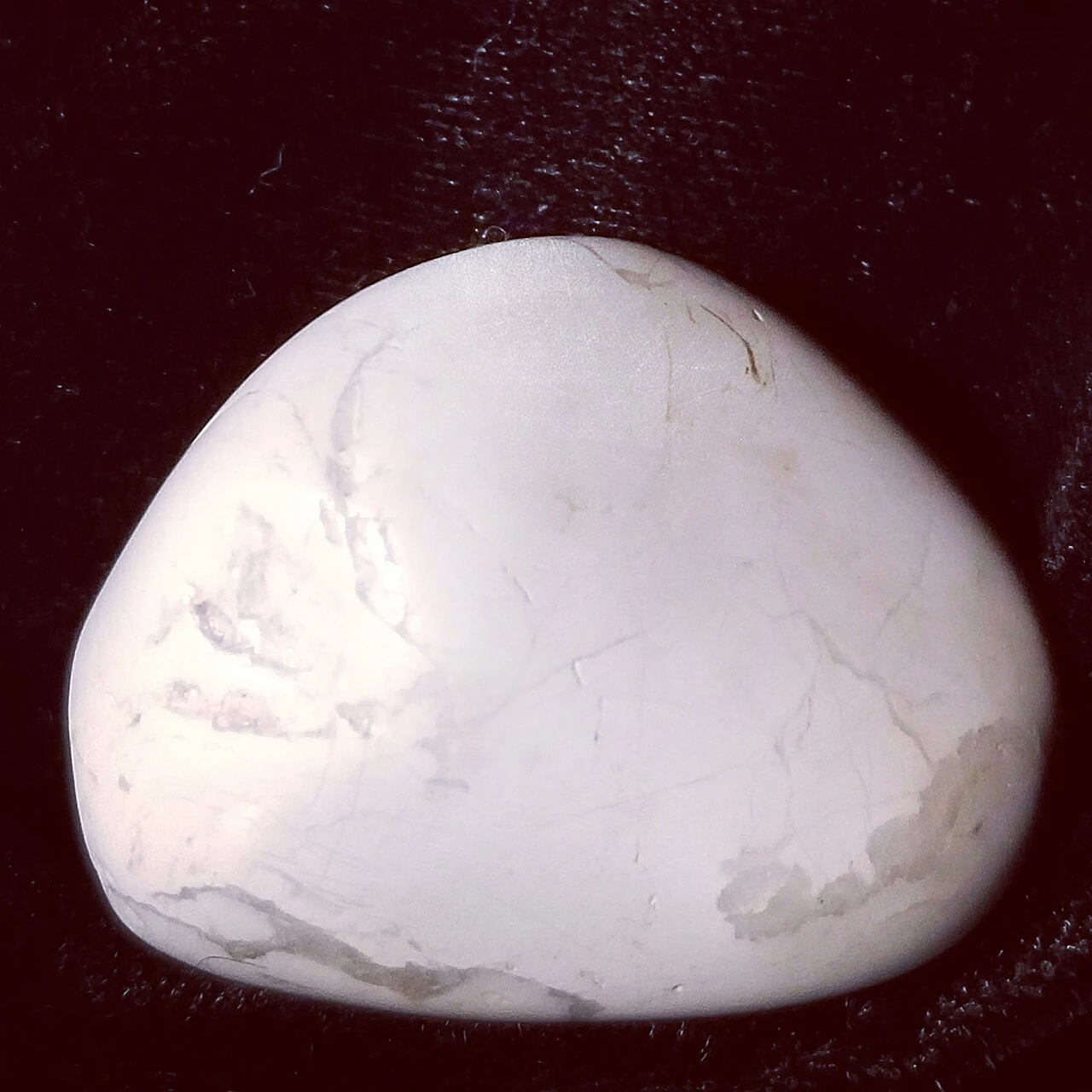 Howlite: White Beads and the Turquoise DistinctionThe material called white turquoise in some Chinese trade language is listed here as howlite. Its white appearance and gray or dark veining belong to a material distinct from turquoise. It can be appreciated for its own character.
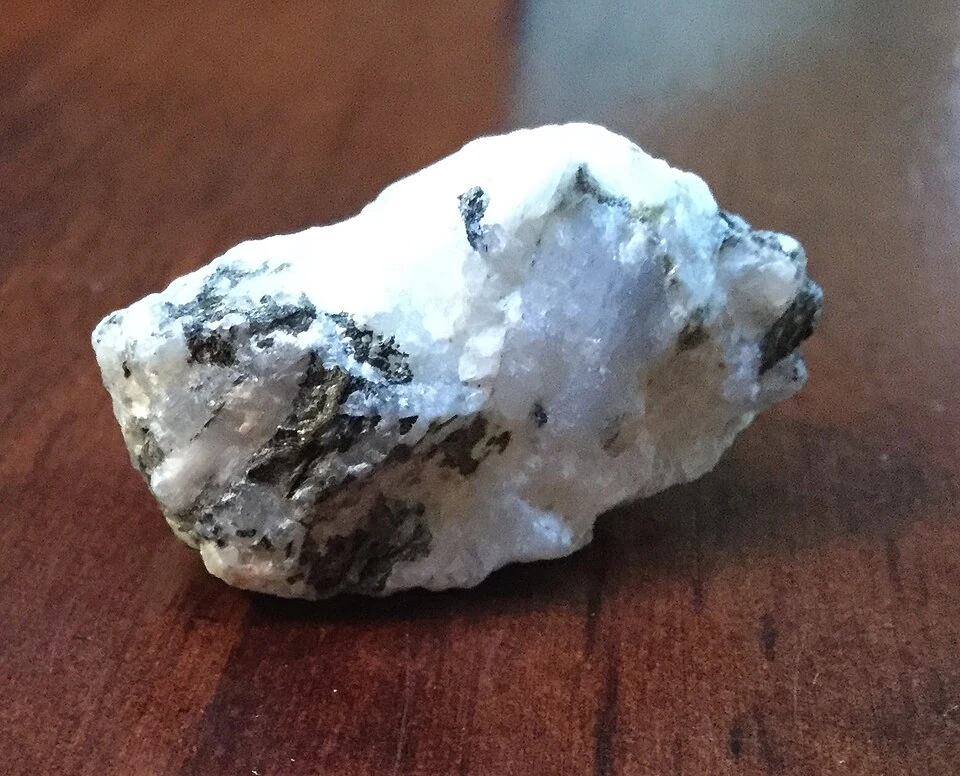 Moonstone: Sheen, Value and HarmonyMoonstone’s appeal is a soft sheen that shifts with the viewing angle. It belongs to feldspar materials, with distinctions between body color, blue sheen and rainbow trade names. In bracelets it often carries wishes for companionship, harmony and balance.
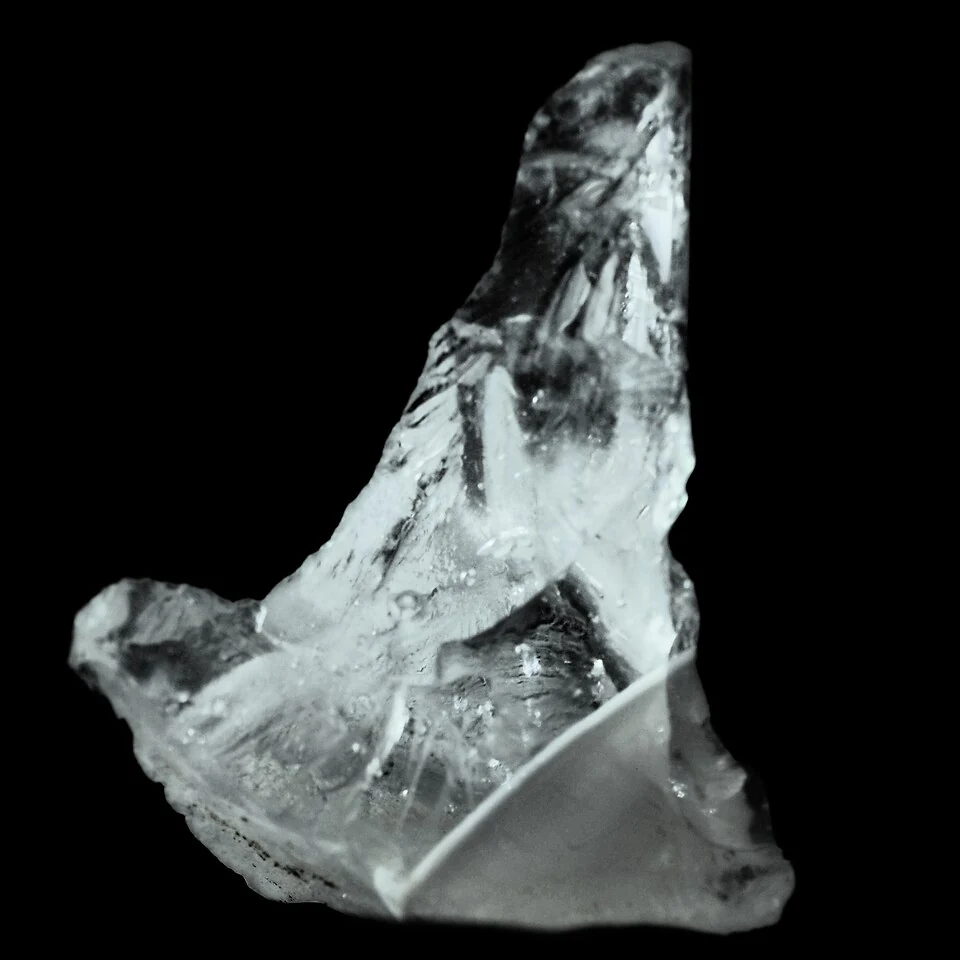 White Agate: Pale Color, Identity and PairingsWhite agate brings a milky or softly translucent appearance to Five Elements bracelets. It can connect dark, green or earthy materials in a quieter composition. The kind of white you enjoy matters more than simply choosing the whitest photograph.
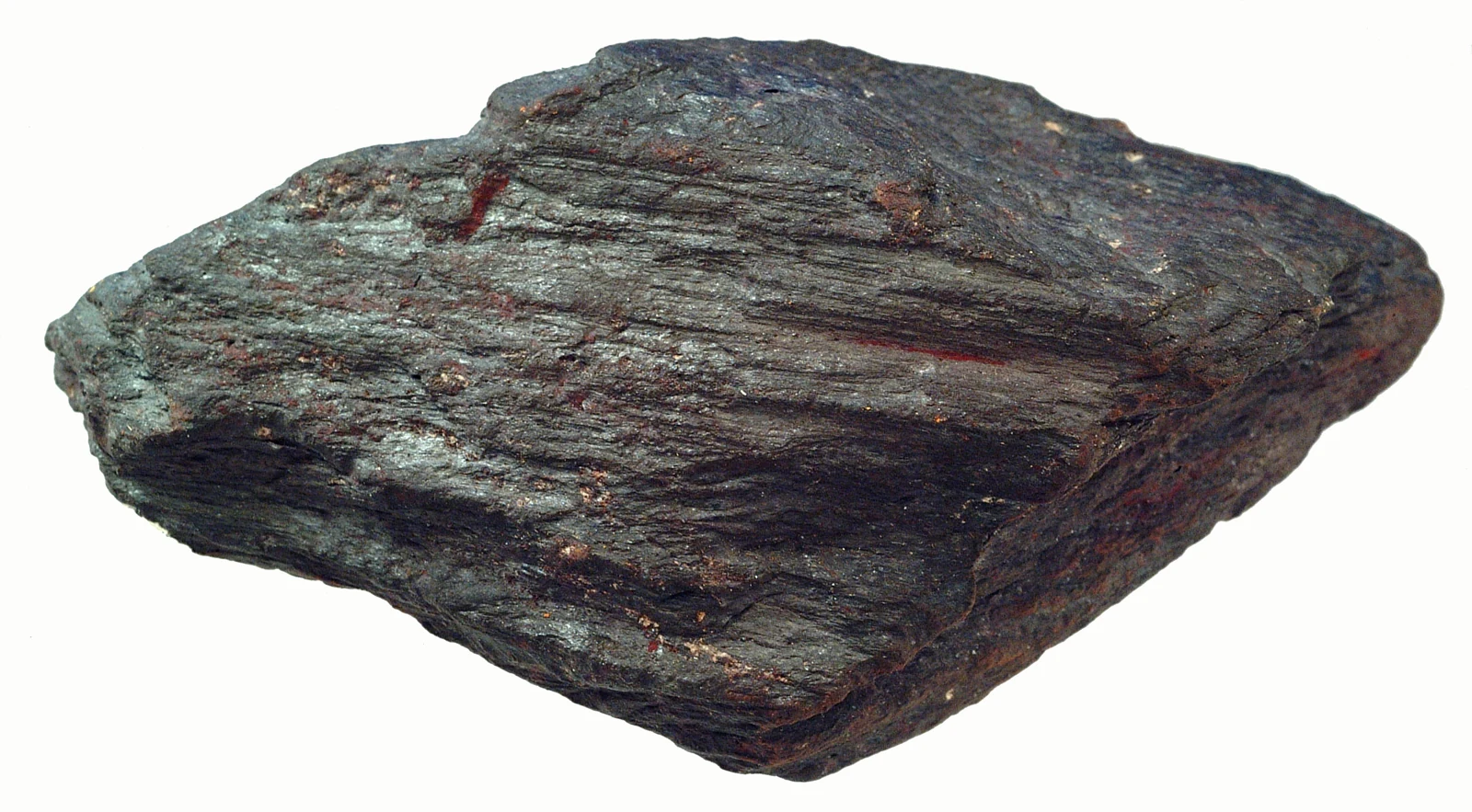 Hematite: Metallic Shine, Magnetism and MeaningHematite can look like metal, yet its name points to red. Polished gray beads are also frequently associated with magnetic jewelry. Understanding the material and those trade descriptions helps explain what you are choosing, before considering a wish for resolve or protection.
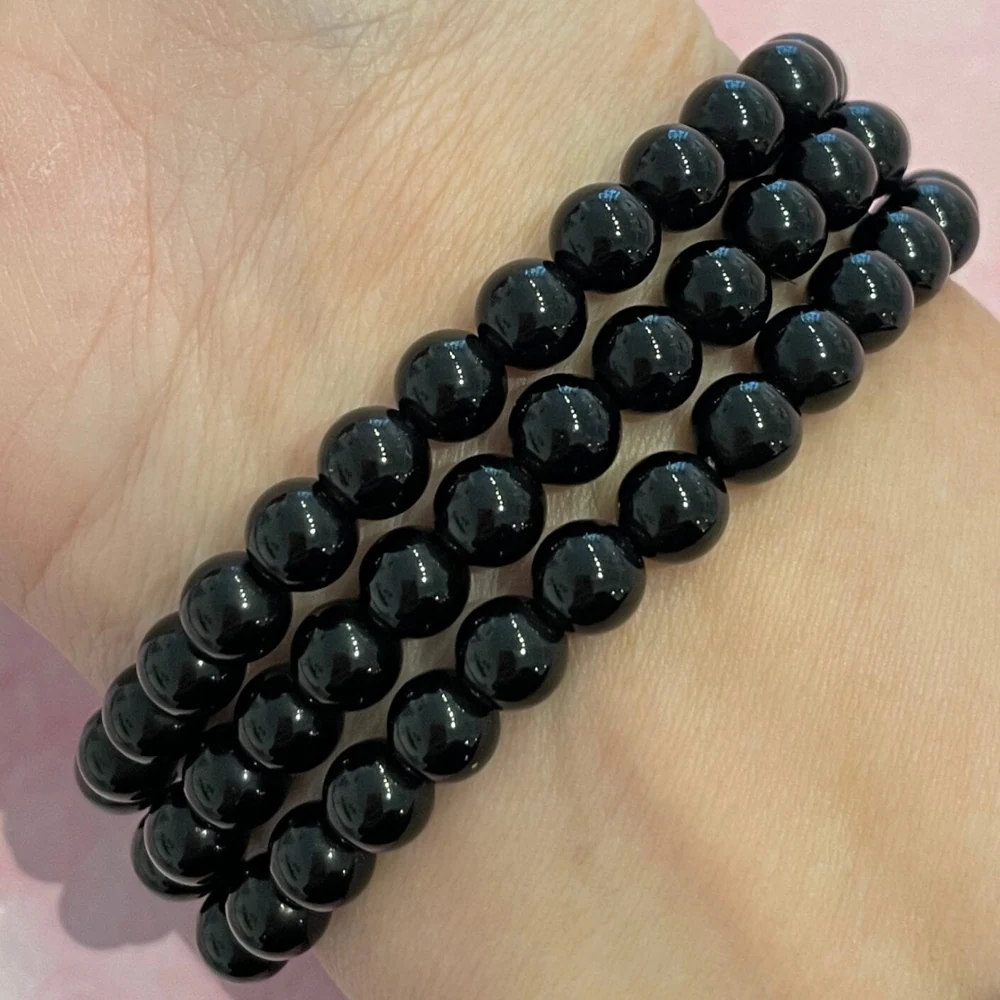 Obsidian: Volcanic Glass and Dark ReflectionsA polished black bead can hold a volcanic story. Obsidian is natural glass, with appearances ranging from deep black to snowflake patterns, reddish brown and changing sheen. Its varieties and workmanship offer more to consider than simply how dark a stone looks.
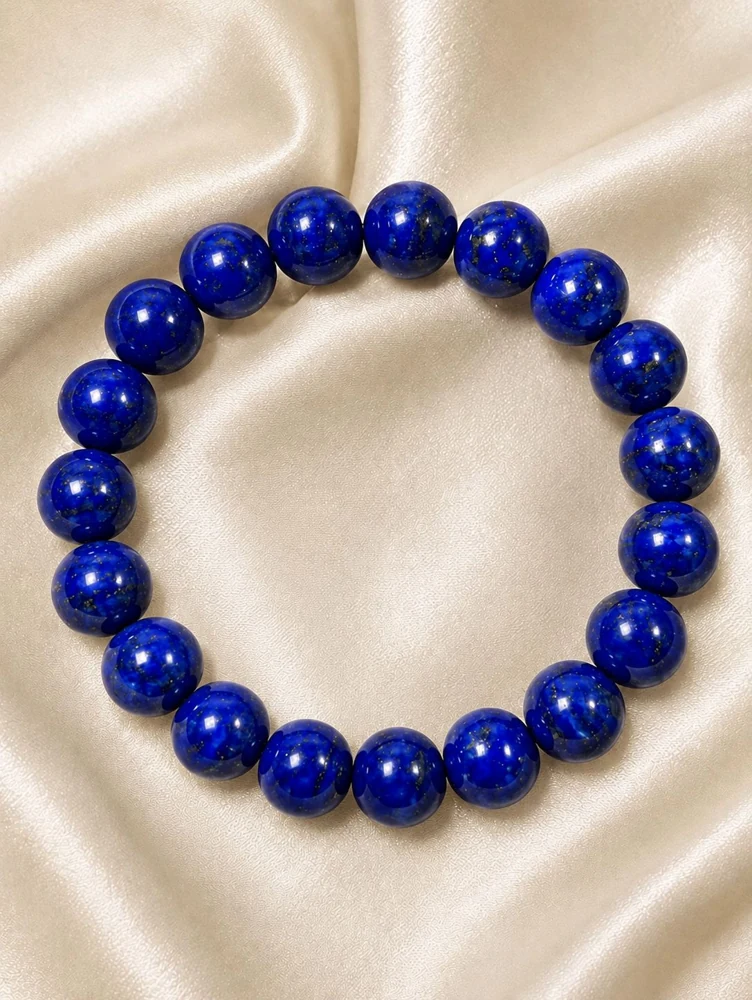 Lapis Lazuli: Deep Blue, Golden Flecks and MeaningDeep blue and small golden flecks give lapis lazuli a night-sky character. It is a rock made from several minerals rather than one uniform crystal. Understanding its blue, white and gold helps make a strand’s appearance more interesting and easier to compare.
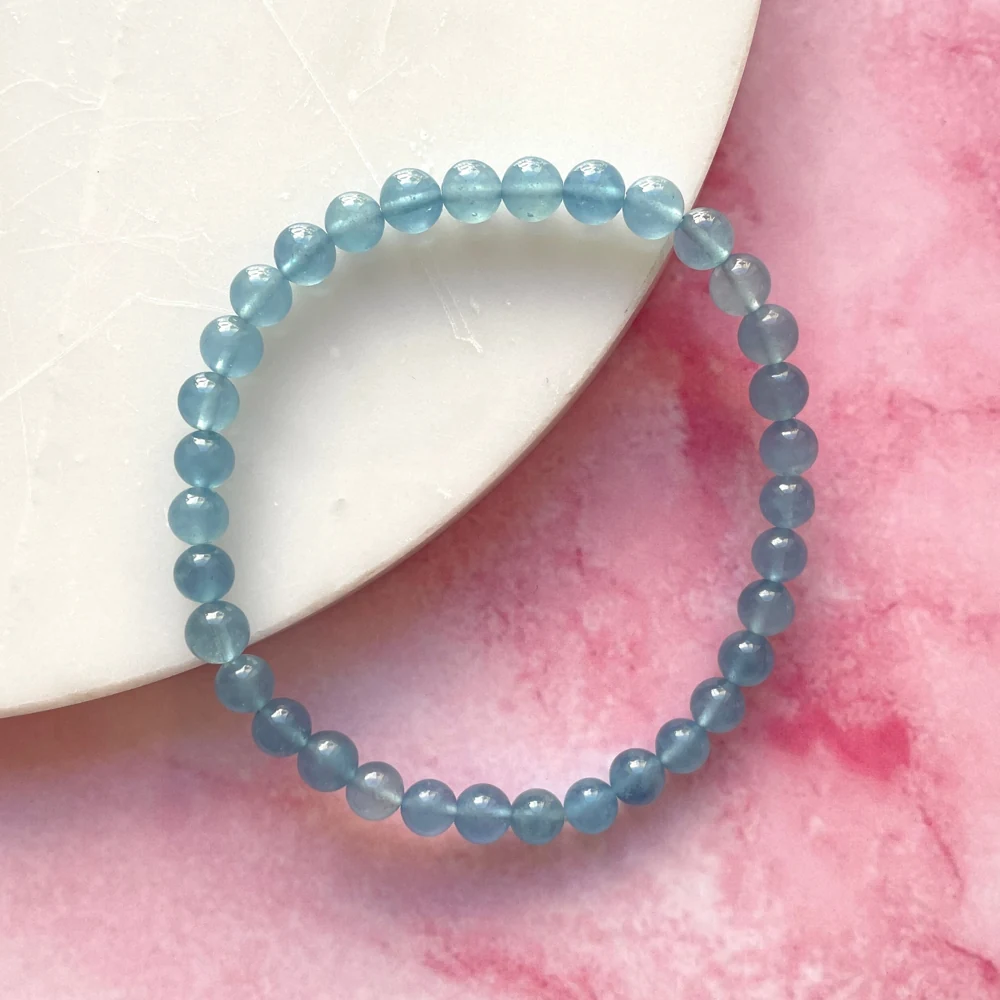 Aquamarine: Pale Blue, Clarity and the Color of WaterAquamarine is often pale, like light through seawater. It may be clear or show softer internal texture, and the deepest blue is not everyone’s only preference. Material identity and specifications help explain the different appeal of a loose gem and a strand of round beads.
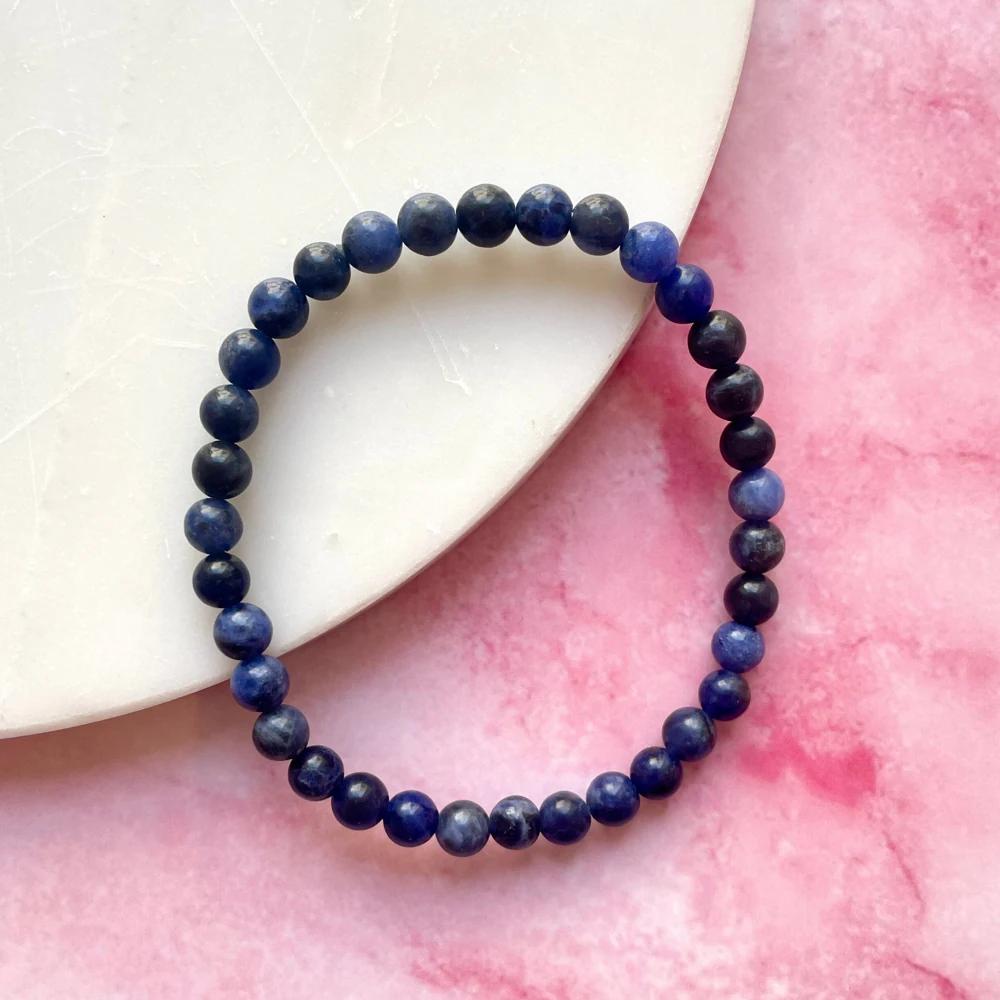 Sodalite: Blue-and-White Patterns and Learning IntentionsWhite markings crossing blue give sodalite a flowing, ink-like character. It is often compared with lapis lazuli, while a special member of its family can change color with light. Ordinary beads and collectible mineral specimens deserve clear names and different expectations.
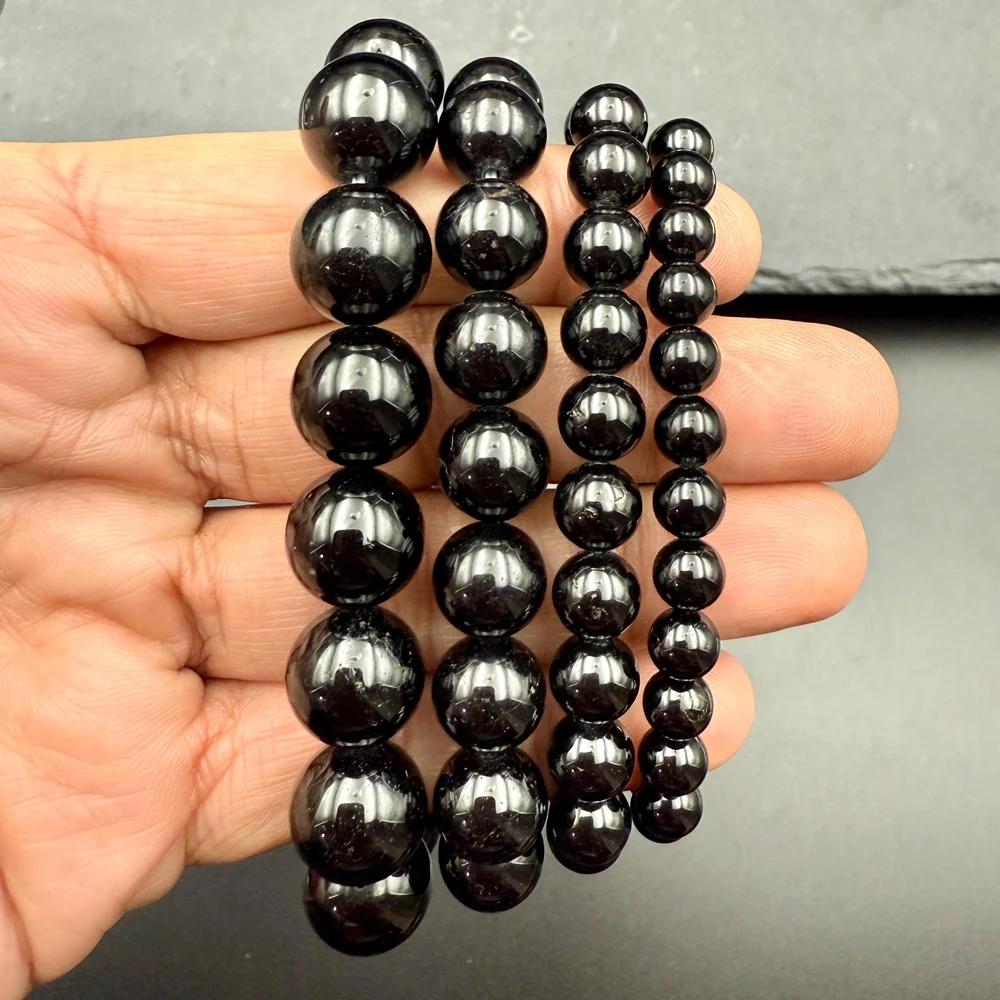 Black Onyx and Banded Chalcedony: Understanding the NamesOnyx is not always uniformly black. Banding, layered carving and trade language give the name several uses. Understanding the material lets you appreciate both a striped pattern and the simplicity of a dark polished bead.
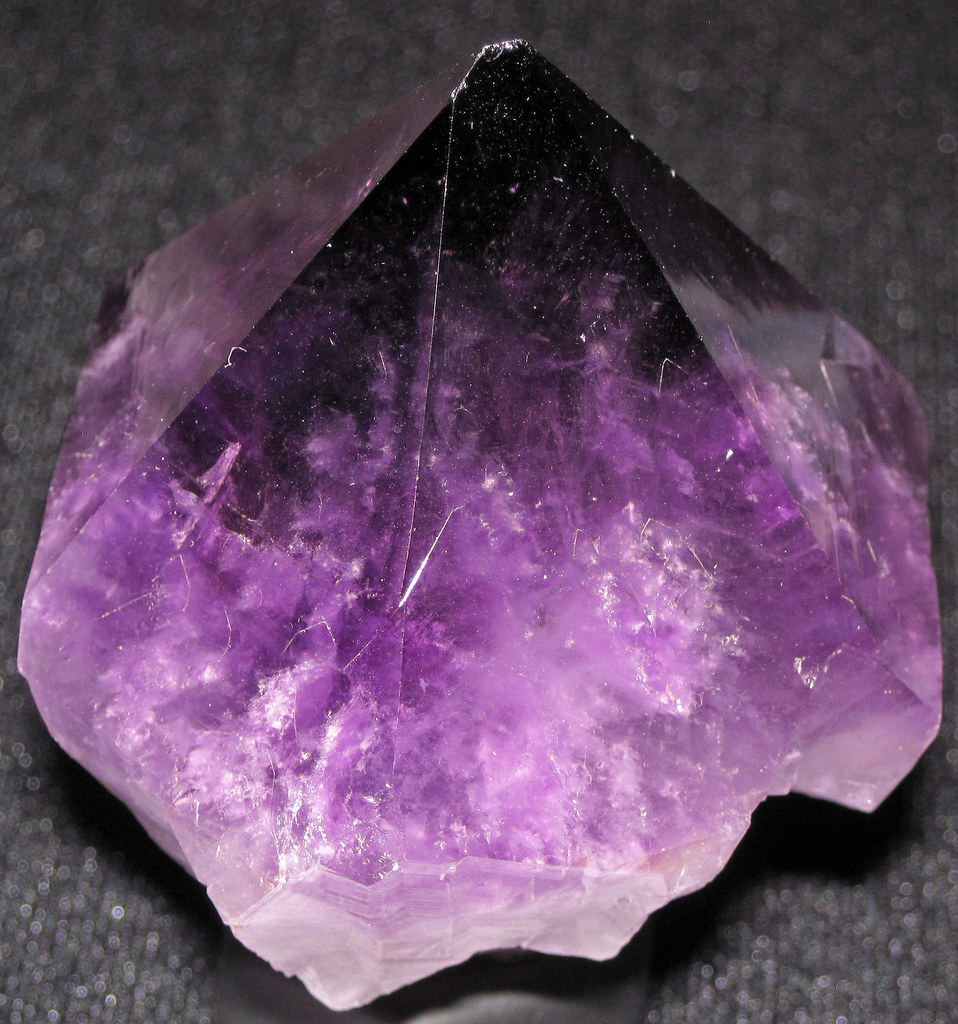 Amethyst: Shades of Purple and a February WishAmethyst can be pale as lilac or deep as dusk. Geodes, crystals, faceted gems and beads all reveal different aspects of it. Color, treatment and workmanship explain a purchase more clearly than a broad quality label alone.
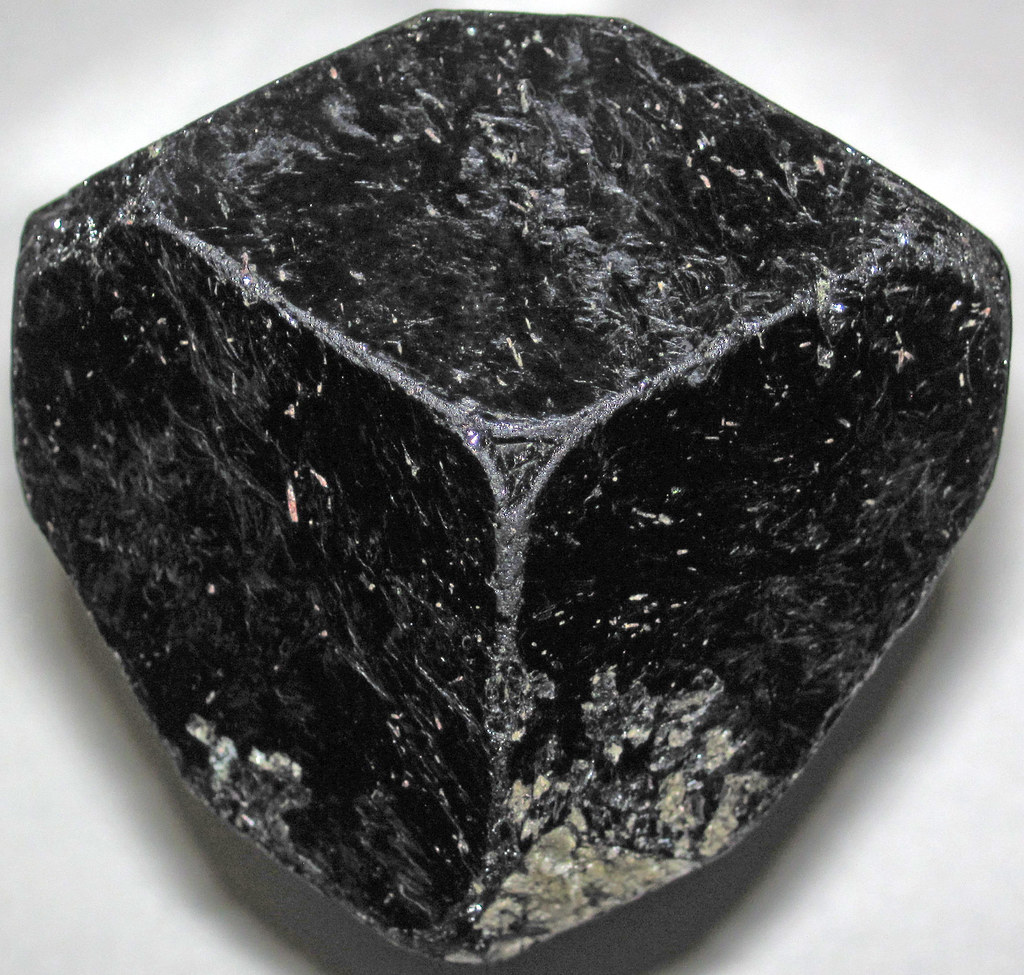 Tourmaline and Black Tourmaline: One Family, Many ColorsTourmaline may be black, pink, green or blue, and a single crystal can hold several colors. The name covers a mineral family. Color, variety and the finished form all matter when understanding what a price is describing.
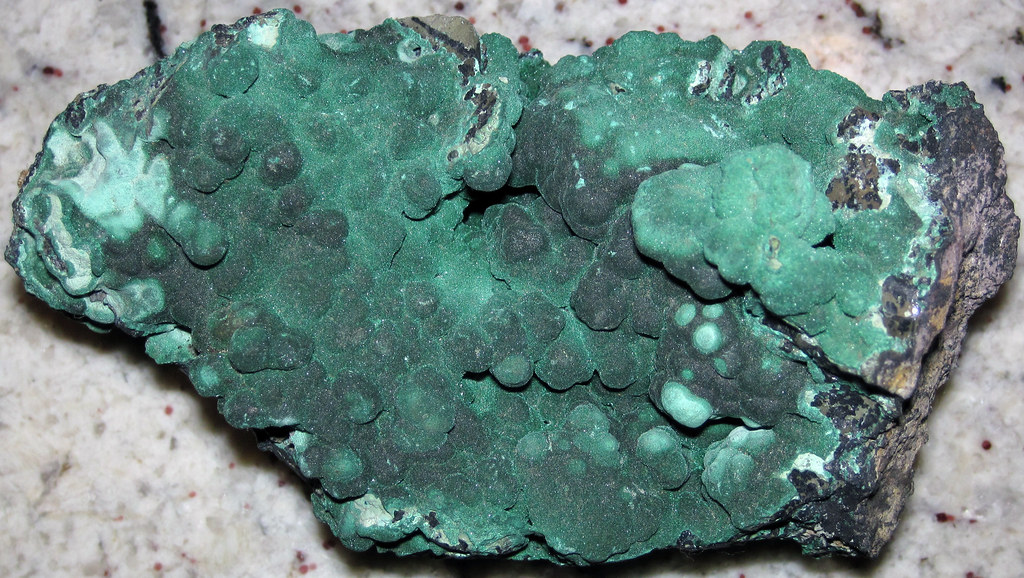 Malachite: Green Bands and Decorative CharacterDark and light green form rings, waves and sweeping patterns in malachite. Its graphic appearance is striking, but the material is softer than many familiar bead stones. Understanding the pattern and the intended use helps preserve what makes it appealing.
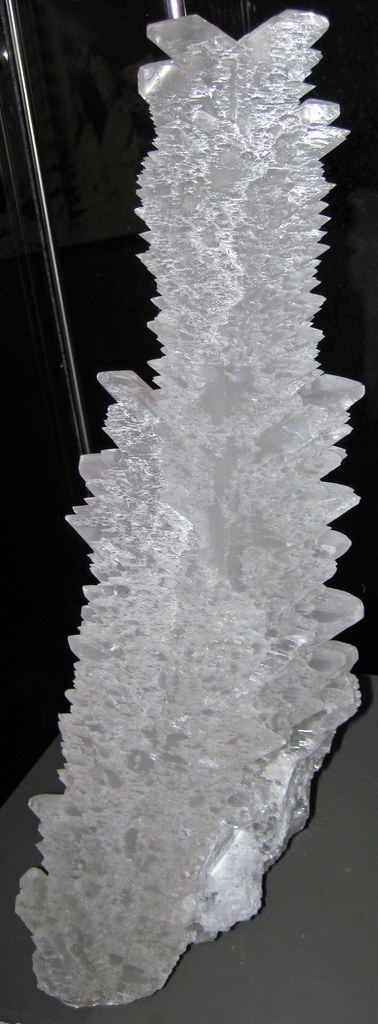 Selenite: Pale Light, Soft Gypsum and Cleansing TraditionsTransparent crystal plates and silky white carved wands can both be sold as selenite. They relate to the gypsum family but need not have the same appearance. Clear names and an understanding of softness help preserve the pale light that attracts people to them.
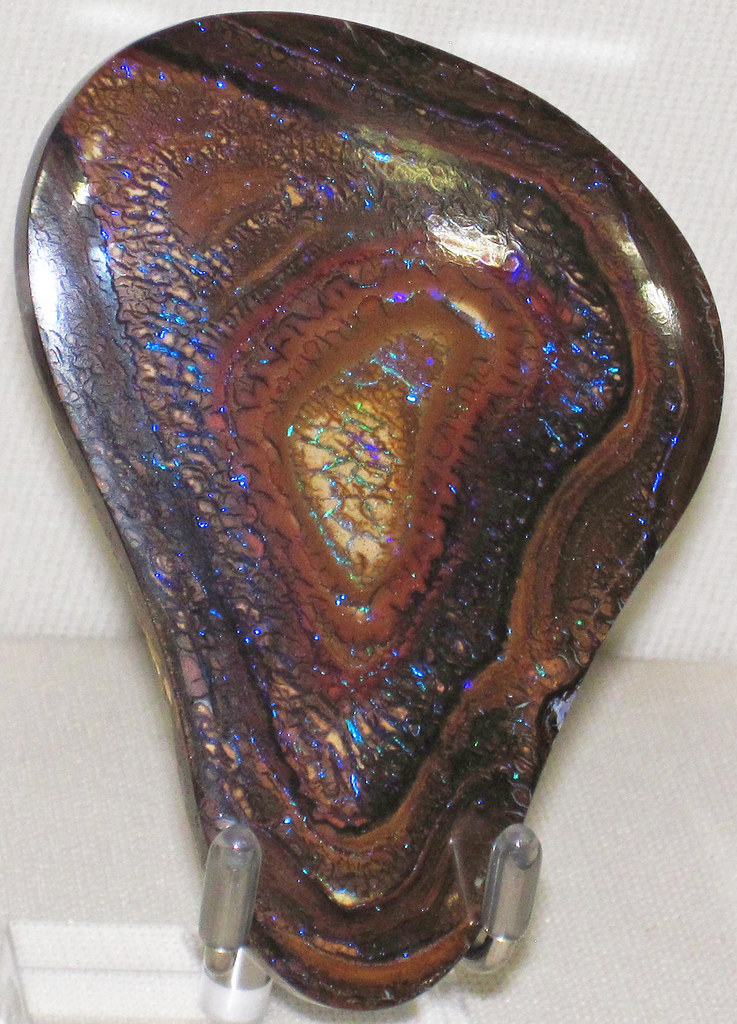 Opal: Play-of-Color, Body Color and IdentityTurn an opal and color may flare, then disappear with the angle. That changing appearance is difficult to capture in one photograph or one price chart. Background color, pattern and construction give the purchase a clearer context.
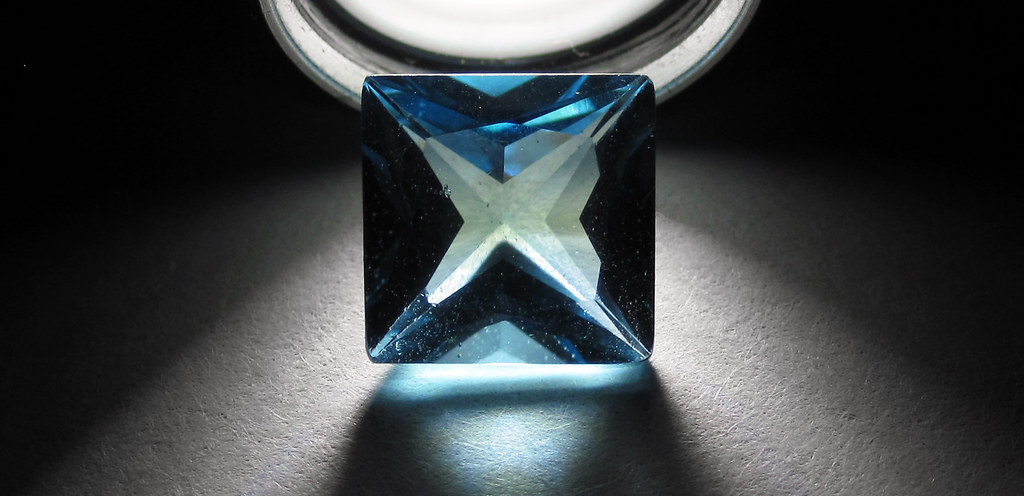 Topaz: Color Beyond BlueBlue topaz is familiar, but the material also appears in golden, pink, orange-red and colorless forms. Each has a different character. Its cleavage also deserves attention, so appealing color and clear material information belong together in a purchase.
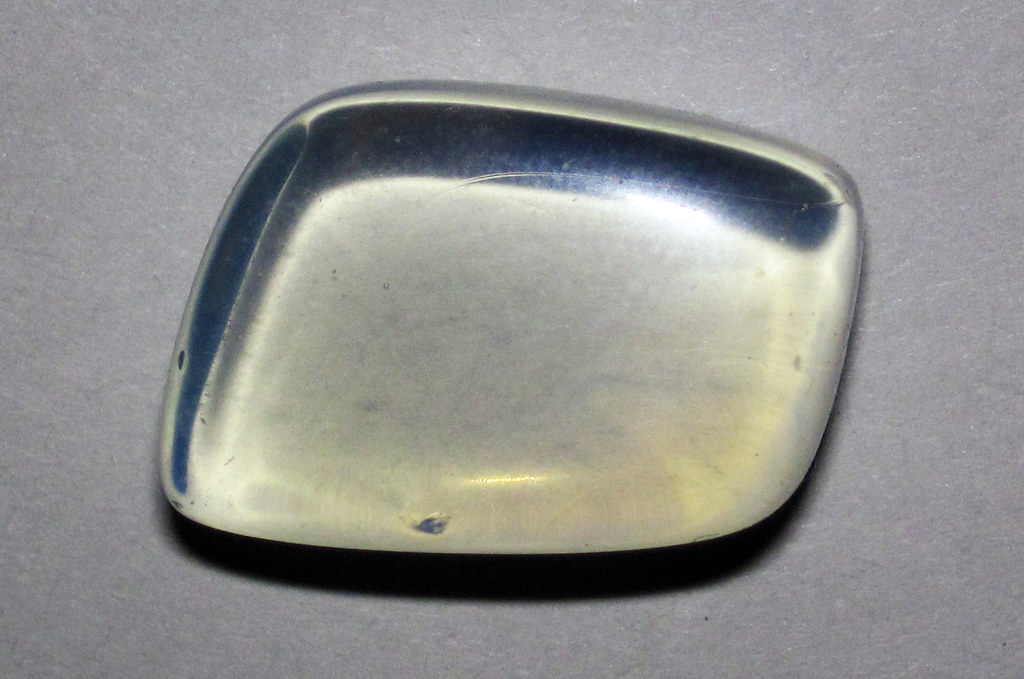 Opalite: The Soft Appearance of Opalescent GlassOpalite often appears as smooth beads, pendants or small carvings with a milky glow. The name suggests opal or moonstone, but the familiar jewelry material is usually manufactured opalescent glass. Accurate identity still leaves room to enjoy its gentle appearance.
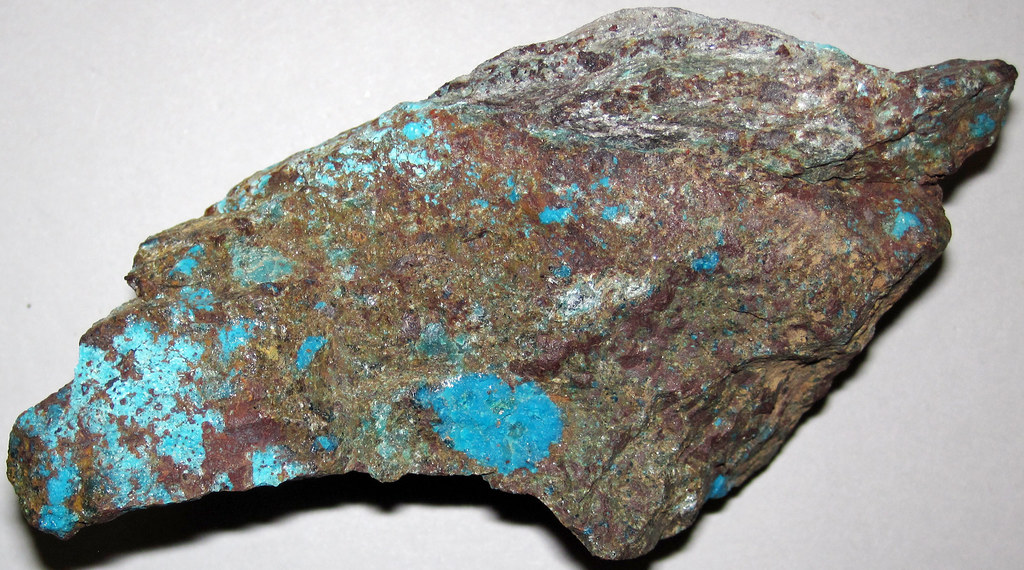 Turquoise: Sky Blue, Matrix and TextureTurquoise can be sky blue, greener or crossed by fine dark patterns. Its appeal comes from color and texture rather than transparent sparkle. Terms such as untreated, stabilized, dyed and howlite deserve particular attention when comparing pieces.
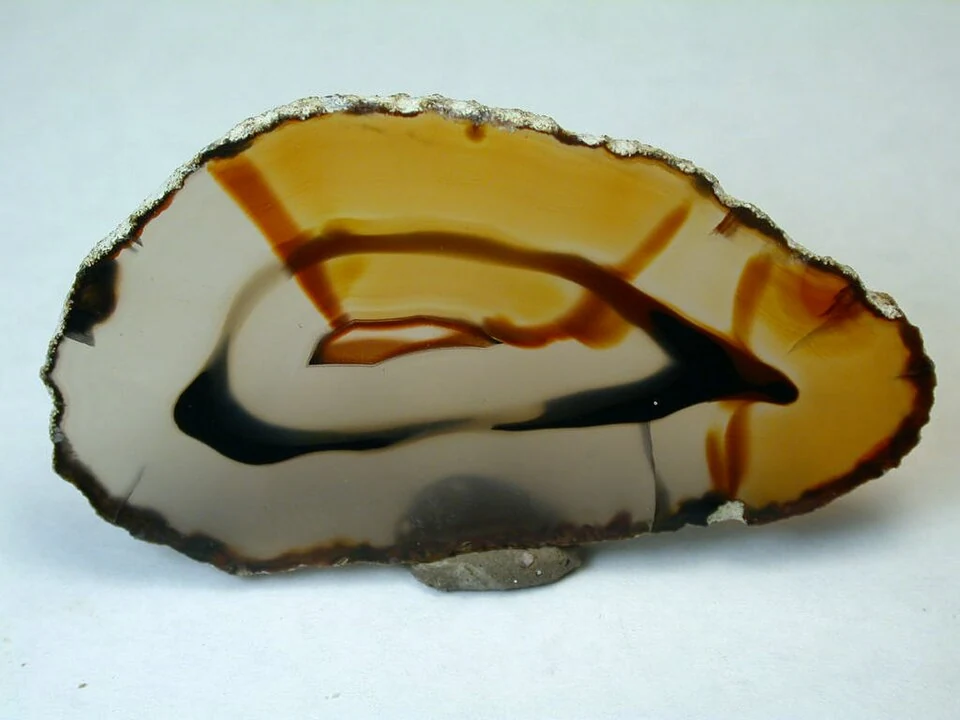 Agate: Bands, Mossy Patterns and Finished ValueAgate can show layered bands or suggest a small landscape within a stone. The name covers many appearances and trade varieties, making identity and product form essential to any price question. Pattern and workmanship often explain a finished object better than weight alone.
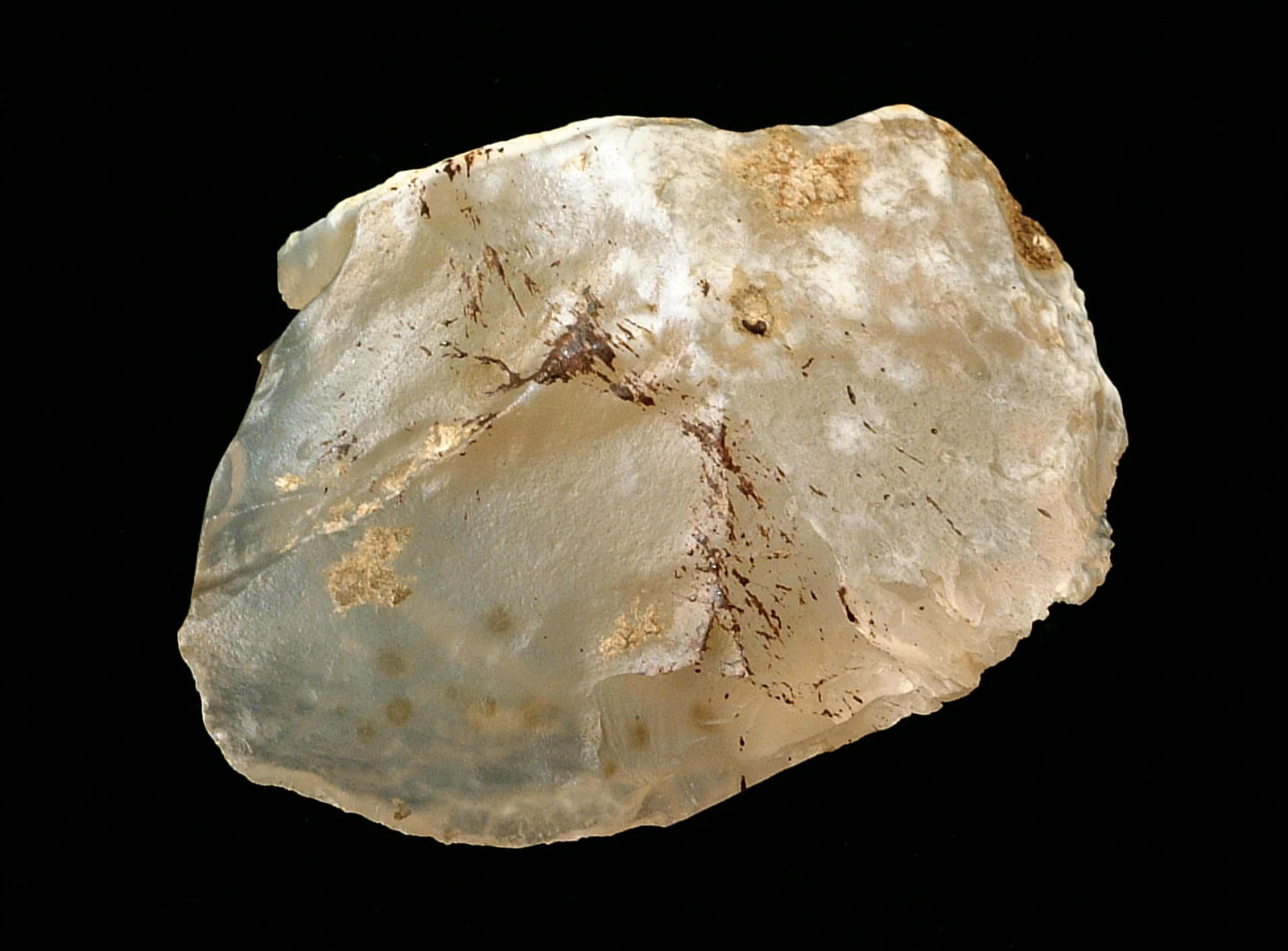 Chalcedony: Varieties, Colour and Choosing a BraceletChalcedony often feels visually gentle: translucent color, a smooth surface and soft reflections. It is also a broad family connected with agate, carnelian and onyx. Understanding those names makes color choices easier without confusing material identity.
BaZi & Five Elements
 Birth Time Abroad: Time Zones and Solar TimeFor an overseas birth, the first question is what the original local record means. Historical time zones, daylight saving and solar-time adjustments are different issues. Today’s time difference is not automatically the right one for a past birth.What If You Do Not Know Your Birth Time?An unknown birth time does not stop you from organizing the information you have or discussing an intention. Keep a remembered morning as a range. A completely unknown time should not become noon simply because a form needs a number.Chinese Zodiac Birth-Year ReferenceThe twelve animals repeat every twelve years. The table lists the Gregorian year in which each lunar animal year begins at Chinese New Year. January and February birthdays still need the actual new-year date checked.BaZi and the Four Pillars: An IntroductionBaZi represents the birth year, month, day and hour with four stem-and-branch pairs: eight characters in total. Producing those pairs is the beginning. Traditional interpretation then considers the relationships between them.How to Read the Fields in a BaZi ChartA chart may display stems, branches, Ten Gods, hidden stems, symbolic stars and timing together. Identify the layer each field belongs to before linking them. This is more useful than beginning with the most dramatic-sounding label.The Day Master and Ten Heavenly StemsThe Day Master is the Heavenly Stem of the Day Pillar, also called the Day Yuan. It is a reference point in Zi Ping BaZi, distinct from the zodiac animal, the birth-year element and a color preference.Ten Gods: Ten Relationships to the Day MasterThe Ten Gods are ten relationship names around the Day Master, not ten religious deities. Five element relationships are divided by matching or opposite polarity to produce the ten labels.Five Elements: Cycles, Chart Distribution and ColorWood, Fire, Earth, Metal and Water form a traditional language of relationships and change. Chart distribution, favorable elements and everyday colors have different roles. Five Elements analysis is more than counting five colored categories.Luck Pillars, Annual Pillars and the Starting AgeA luck pillar is a traditional stage represented by a stem-and-branch pair, commonly covering ten years. An annual pillar concerns one year. These timing layers interact with the birth chart; they do not replace it, and the first cycle does not universally begin at age ten.Symbolic Stars and Chart Structure in BaZiSymbolic stars and chart structure are different kinds of information. Stars are commonly derived from specific stem-and-branch rules; structure concerns the organization of the whole chart. Understanding their basis is more useful than judging by the sound of a name.BaZi, Zi Wei Dou Shu and Saju ComparedBaZi, Zi Wei Dou Shu and Saju all involve birth information, but their chart structures and terminology are not identical. The useful choice begins with your question, the method offered and the precision of the information required.How to Compare BaZi Chart ToolsA useful chart tool makes birth information, time conventions and output fields understandable. Whether it is free is only one consideration. Checking a calendar, displaying Four Pillars and interpreting a personal chart are different needs.Zodiac Compatibility and BaZi Relationship ReadingsZodiac compatibility mainly compares birth-year branches. A BaZi relationship reading considers fuller charts within a stated method. Six and Three Combinations are traditional relationship names, not a score that decides how two people will live together.
Feng Shui & spaces
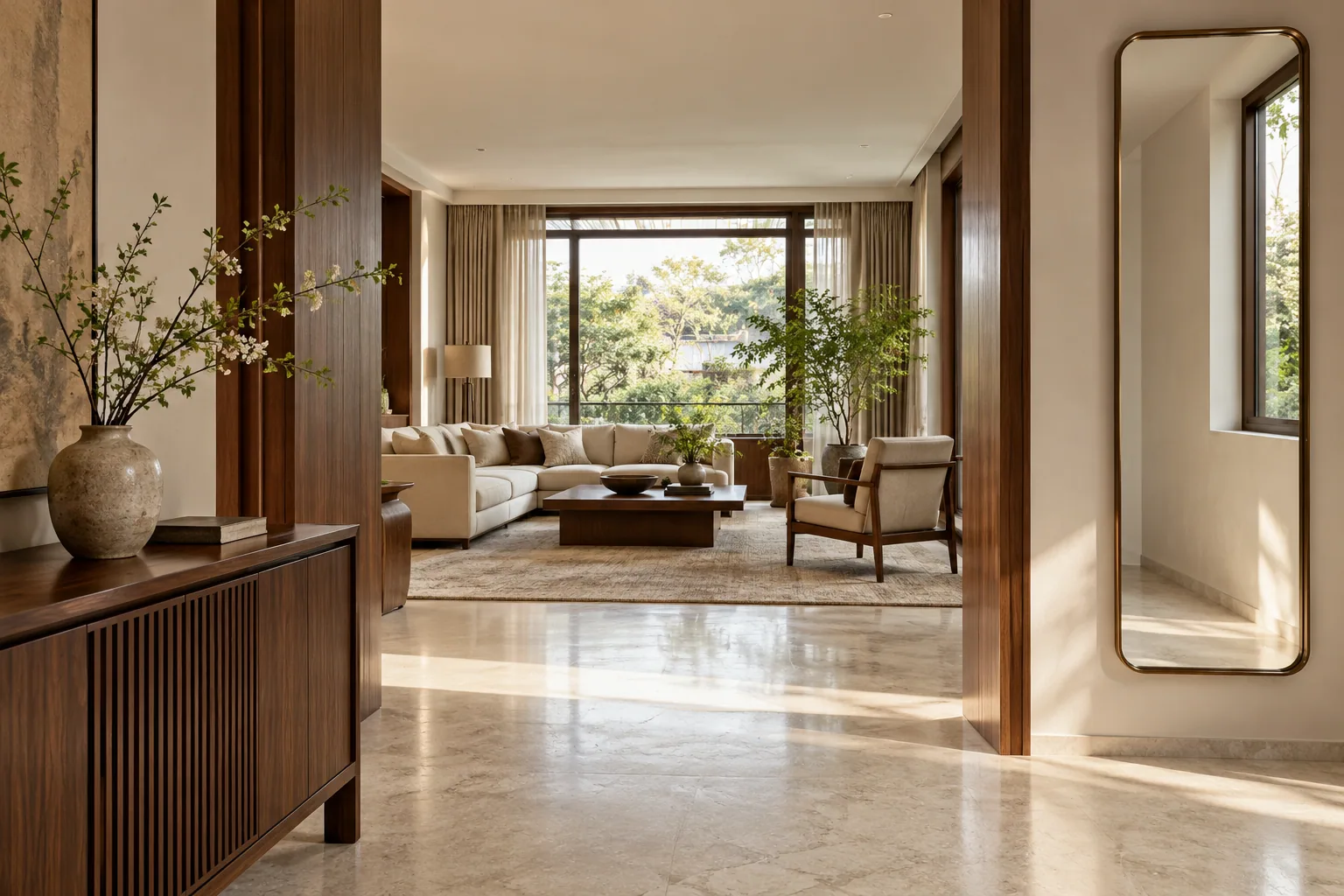 Feng Shui at homeA door that opens comfortably, a place to sit, and a clear route between rooms are useful ways into home Feng Shui. Begin with the relationships in your own home, then choose a method for interpreting direction and symbolism.
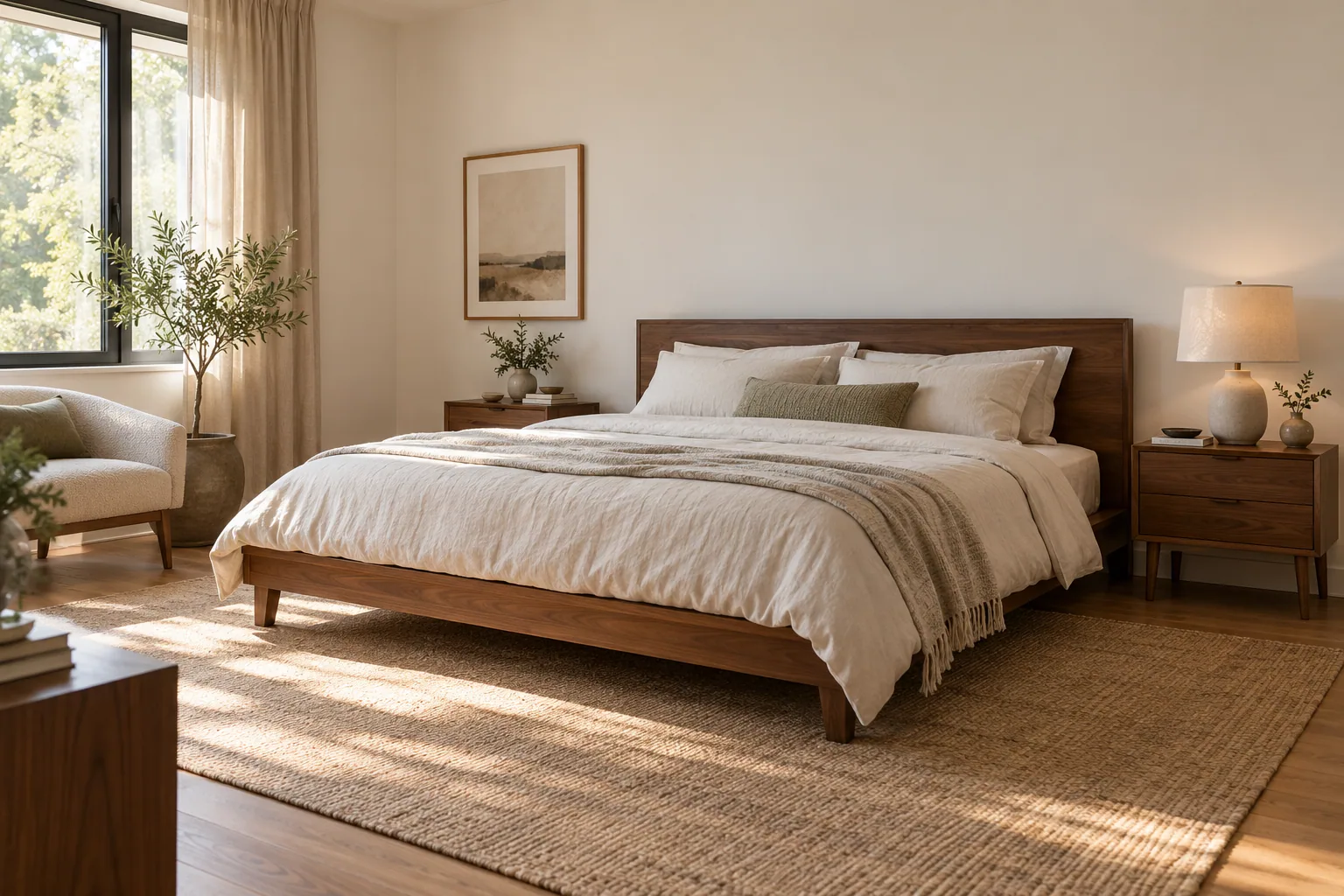 Bedroom Feng Shui: choosing a workable bed positionA bed position affects what you see on waking, how you get up and whether the curtains are easy to reach. Familiar Feng Shui ideas of support and stability become clearer when considered through the actual door, windows and routes around the bed.Feng Shui for a small bedroom or rentalIn a small bedroom, the difficulty often appears when the bed, wardrobe and chair are used together. Clear boundaries for rest, storage and work can give a rented room a more settled order without changing its permanent structure.Mirror placement begins with the reflectionA small change of angle can turn a reflected corridor lamp into a view of a picture. Mirror placement depends on what appears in it, where the viewer sits or stands, and the purpose it serves. A dressing mirror and a bagua mirror also have different roles.An entrance that welcomes you homeAn entrance connects outdoors and indoors through familiar actions: opening the door, putting down bags, changing shoes and greeting someone. The Feng Shui language of receiving qi and welcoming good fortune can take shape in an arrival area that is clear and easy to use.
 Desk and office Feng ShuiA useful desk lets you sit, see clearly and bring the working day to a close. Feng Shui ideas of support and command can be considered alongside the view from the chair, movement behind it and the arrangement of the desktop.Living-room Feng Shui for gatheringWhere people sit, whether they can talk and how others pass through all shape a living room. Give sitting and walking clear relationships, then add colour and meaningful objects. The idea of gathering can become visible in the room itself.
 Kitchen Feng Shui: stove, sink and preparationA kitchen’s abundance has an everyday form: food can be washed, something hot has a place to be set down, and people move without interrupting each other. Feng Shui connects the hearth with nourishment and a household’s foundation; the layout gives those ideas a usable setting.
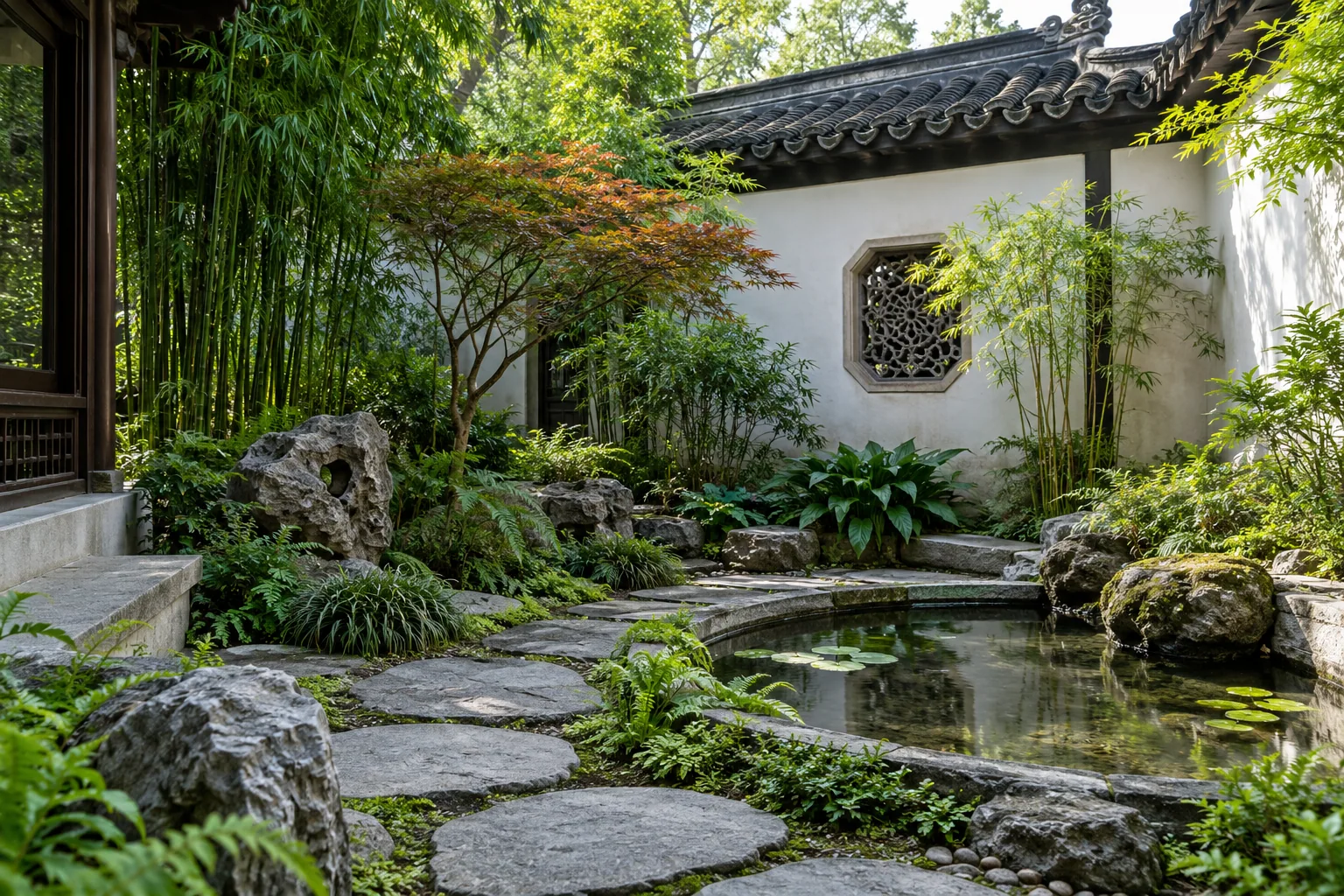 Garden Feng Shui through paths and seasonsA garden forms a transition between the home and its surroundings. Paths lead toward the entrance, planting creates boundaries, and a seat offers a place to pause. Feng Shui ideas of shelter and gathering become clearer through these visible relationships.Staircase Feng Shui between the floorsA staircase links daily life on one floor with another, carrying movement, sound and views between them. Its entrance, first step, turning platform and arrival point reveal more than a shape or step number considered alone.Reading a bagua map on a floor planSome bagua diagrams place south at the top. Others begin at the entrance and describe a far-left corner. Before using either, identify its coordinate system and the space it is intended to represent.House-facing direction: define what you measureAn apartment door, balcony and principal facade may face different ways. A compass reading becomes useful only when the object, measuring position and north reference are clear.Five Elements colours in a real roomA room does not need to display five colours equally. The same green looks different in a plant, a textile and a painted wall. Symbolism becomes more useful when considered alongside area, material and light.Where is the Feng Shui wealth corner?Southeast, the far-left corner from the entrance, and a location that changes each year appear in different advice. They use different maps. Identify the method before choosing a meaningful arrangement for the actual space.Reading a Flying Star chartFlying Star diagrams place numbers within directions and add different layers of time. An annual nine-area chart is not the complete chart of every building. Its title, date and underlying information matter before any furniture is moved.House-number meanings and reduction rulesA house number identifies a home and may carry a meaning the household enjoys. Sound associations, digit reduction and directional Feng Shui use different rules. Keeping them distinct makes the interpretation easier to understand.Money trees, lucky bamboo and living growthFresh leaves unfolding can give a room a visible image of growth and abundance. Money trees and lucky bamboo carry auspicious names, while suitable light, space and continuing care make them good companions at home.
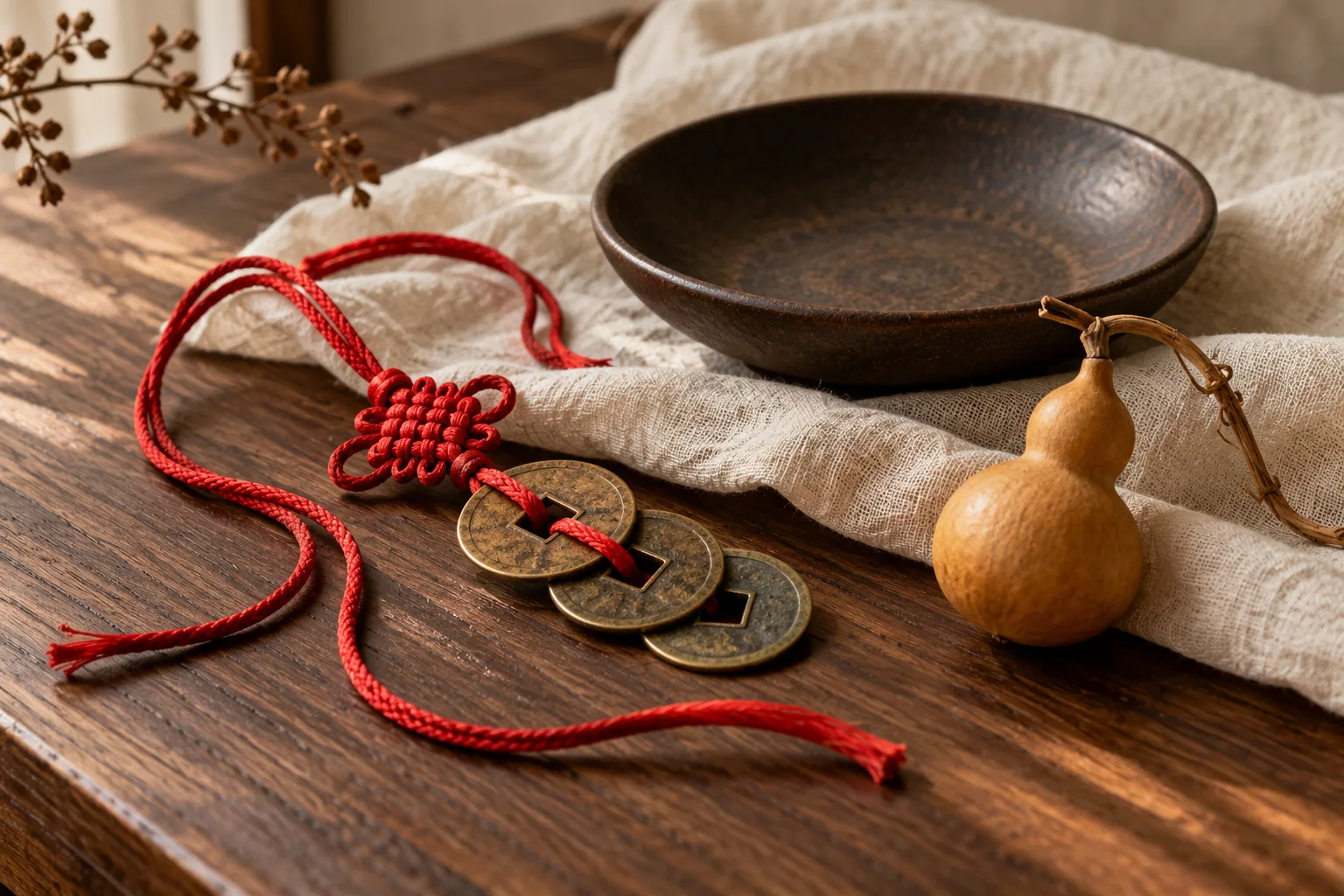 Choosing Feng Shui objects and symbolsDragons, gourds, coins and crystal trees often share a Feng Shui category, yet their histories and uses differ. Recognizing what an object expresses is more rewarding than collecting every auspicious symbol in one place.
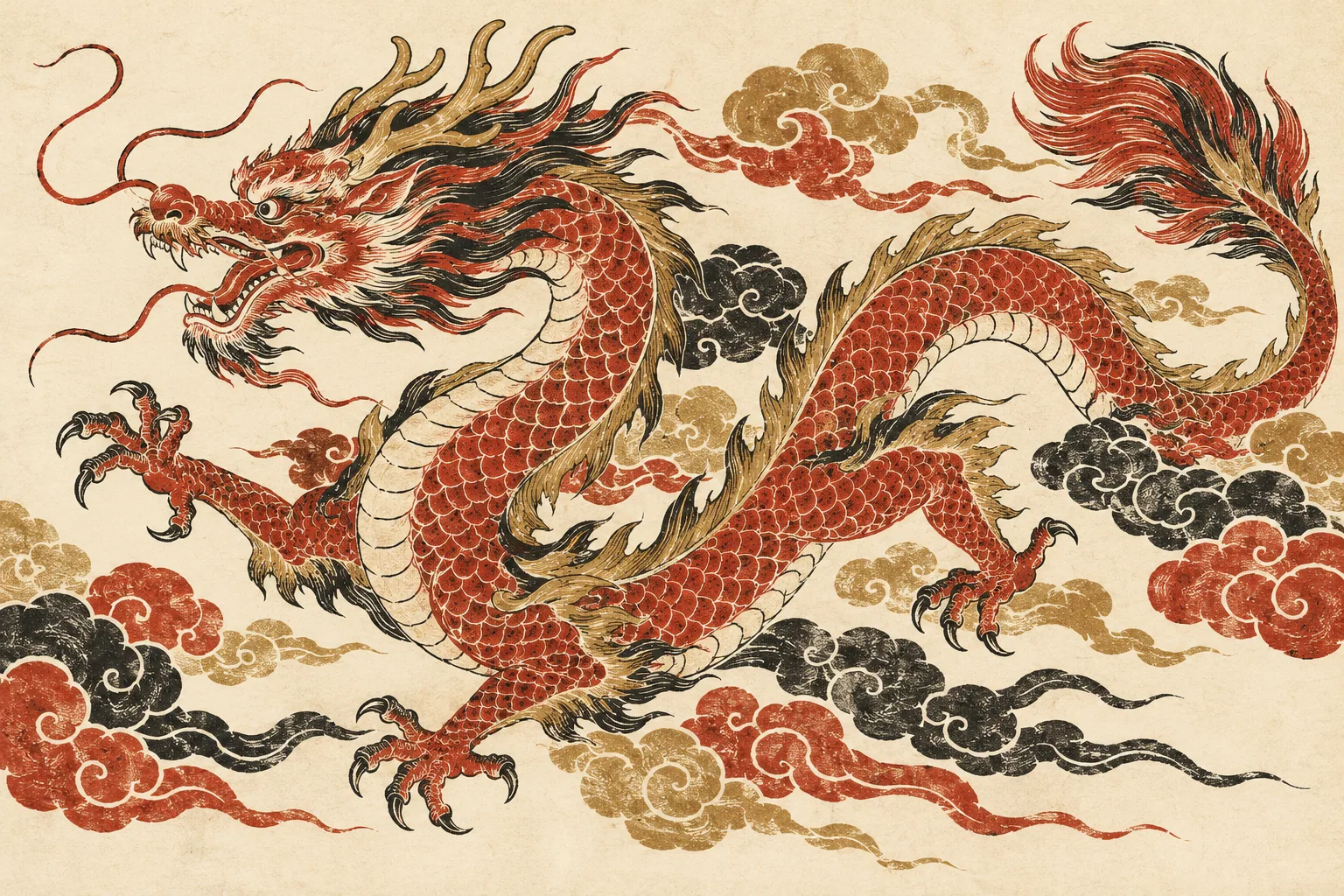 Dragon symbols in Feng Shui and Chinese artA dragon among clouds, a dragon with a pearl and an upright dragon sculpture do not make identical pictures. Chinese dragon imagery connects rain and water with authority and protection. Its surrounding scene helps reveal the intended meaning.Tortoises and dragon turtlesA low body and protective shell give the tortoise a recognizable image of steadiness. A dragon-headed version adds another layer of imagination. Their settings in buildings and objects help explain the different wishes they can carry.Chinese coins and Five Emperor coin customsA square-holed round coin has a monetary history and can also become an auspicious image. Read its inscription, material and combination before interpreting a coin string or choosing where it belongs.Prosperity bowls and the idea of gatheringA vessel gathers separate objects into one place, giving it a natural image of accumulation. The Chinese treasure-basin story, a modern money bowl and a tradition-specific wealth vase have related but different forms and uses.Choosing a Feng Shui fountain or water featureMoving water gives a place continuing sound and change, alongside cultural associations with resources and vitality. It is also equipment that needs power, water and cleaning. A suitable position has to accommodate both.Crystal trees: materials, branches and meaningSmall stones become leaves, wire becomes branches and a base holds the composition upright. A crystal tree is a crafted image of growth, appreciated through both its auspicious meaning and the way its parts are assembled.Salt-water Feng Shui practices and careA container of salt, water and coins is often called a salt water cure in English Feng Shui writing. Some practitioners connect it with Flying Stars. The method and the physical object both matter: water evaporates, salt remains and the container needs care.Choose a Feng Shui book for the question you haveA useful book matches what you want to learn. Understanding a floor plan, studying compass methods and organizing belongings are different tasks. Author, edition and published subject information help build a more purposeful reading path.
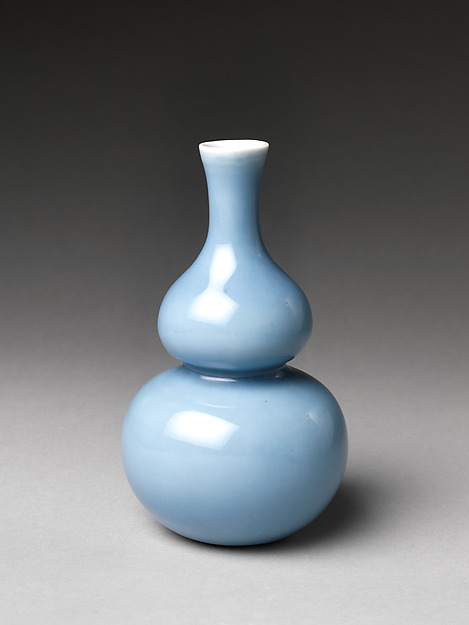 Wu Lou gourds: blessing, form and materialThe smaller upper bulb, narrow waist and fuller lower body make a gourd instantly recognizable. A plant form became a vessel, pendant and ornament, carrying associations with blessing, prosperity and continuity.
Chinese zodiac
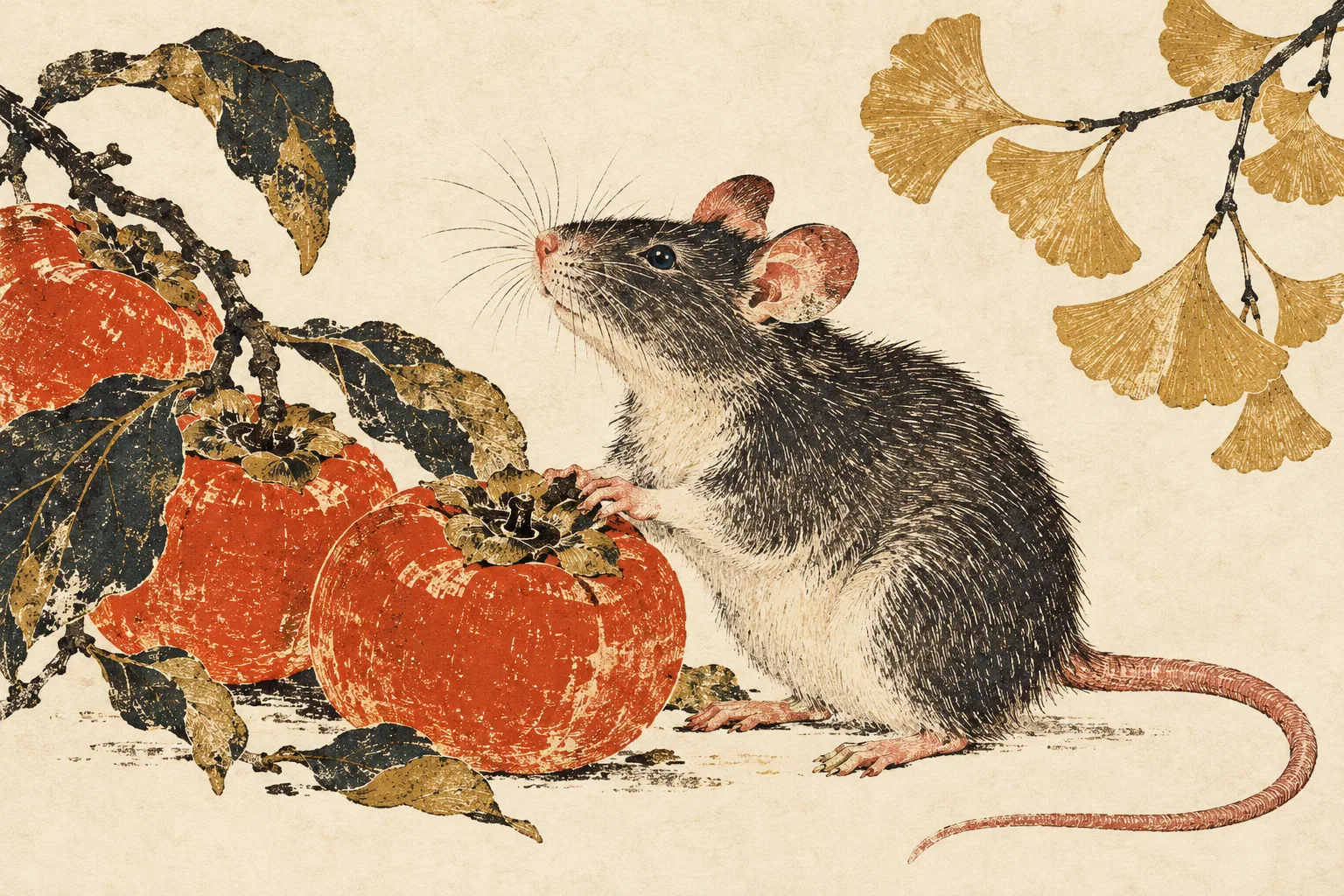 Rat Zodiac: Birth Years, Five Elements and RelationshipsThe Rat begins the twelve-animal cycle and corresponds to Zi. Metal Rat, Water Rat and Wood Rat name different stem–branch years, rather than different animals. Separating those layers makes birth-year and relationship questions easier to understand.
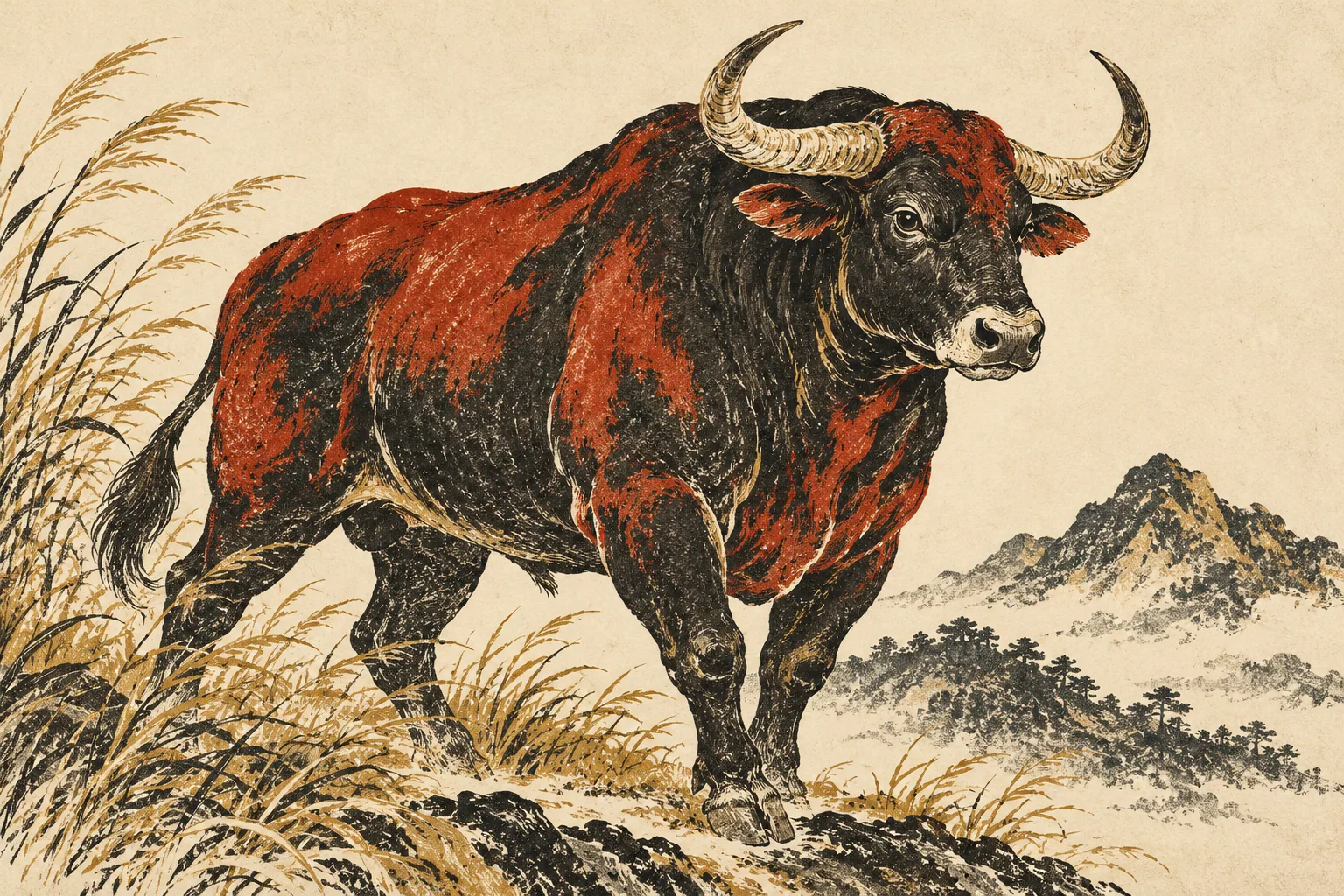 Ox Zodiac: Chou Years and an Intention of Steady ProgressThe Ox suggests cultivation, patience and carrying work through. In the zodiac it corresponds to Chou, while Fire Ox, Metal Ox and Water Ox add the changing heavenly stem. The animal is one layer; the year boundary and complete designation add more.
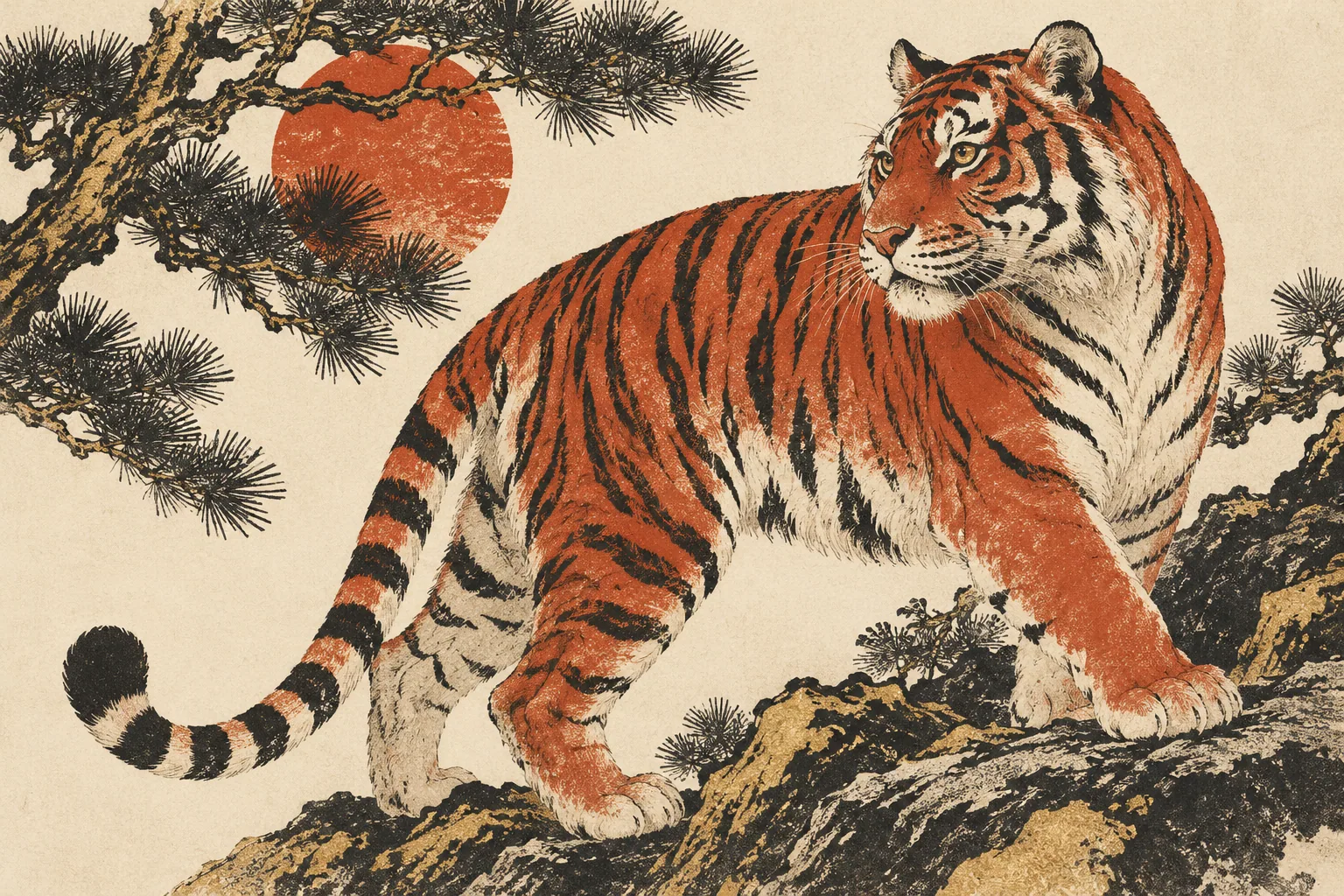 Tiger Zodiac: Yin Years, White Tiger and CourageThe Tiger carries authority and protection in Chinese art. The zodiac Tiger corresponds to Yin, while Metal Tiger, White Tiger and tiger’s-eye belong to different naming contexts. Separating them makes a wish for courage or protection more meaningful.
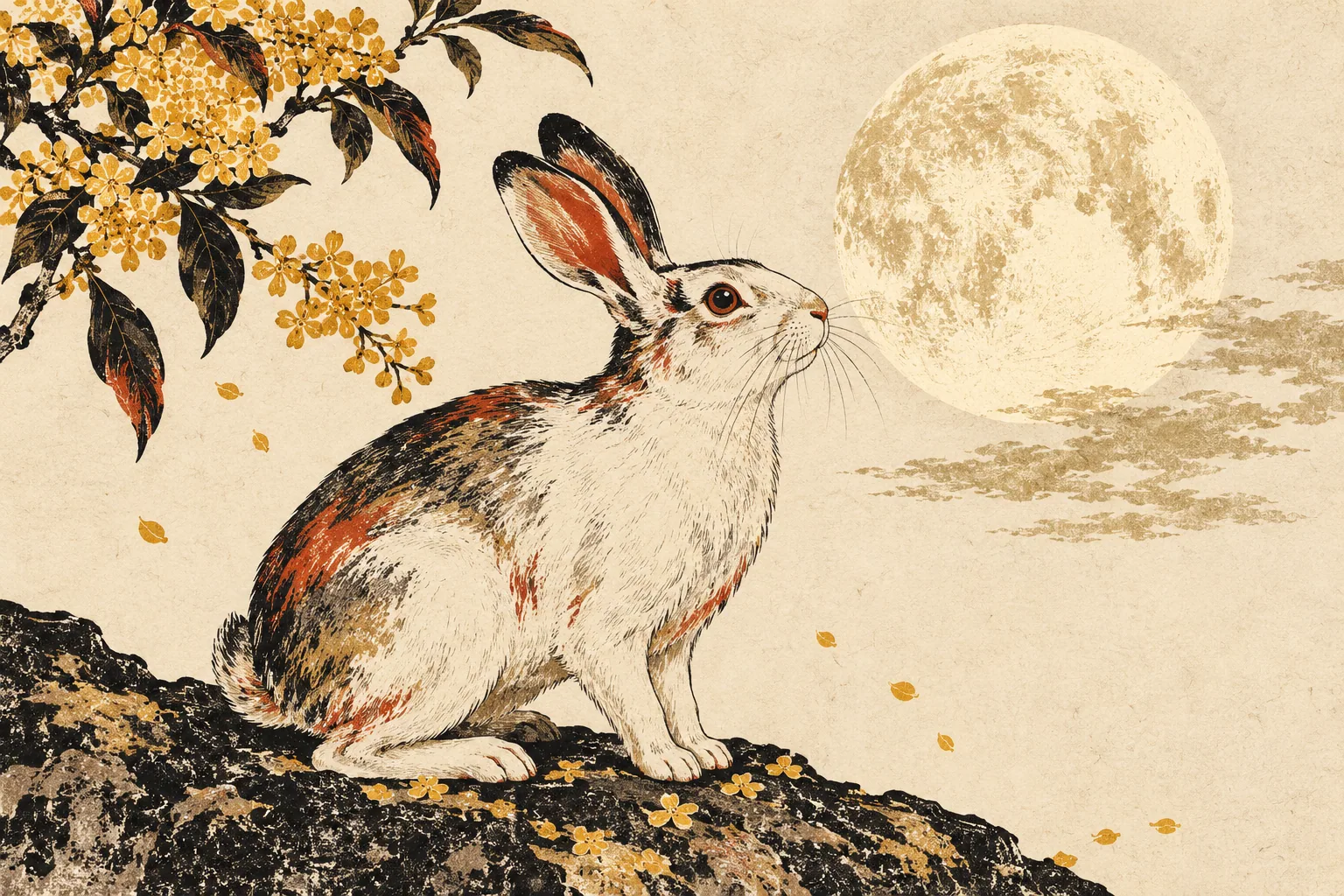 Rabbit Zodiac: Mao Years, the Moon and HarmonyThe Rabbit corresponds to Mao in the zodiac and accompanies the moon in folklore. Water Rabbit, Fire Rabbit, the Cat year and lucky colors answer different questions. Their calendar and cultural contexts give a wish for harmony a more personal meaning.Dragon Zodiac: Chen Years, Wood Dragon and AspirationThe Dragon is the zodiac’s mythological animal, appearing in formal art and joyful New Year wishes. Chen identifies the zodiac branch, while Wood Dragon, Metal Dragon and the Eastern Dragon belong to different layers of meaning.
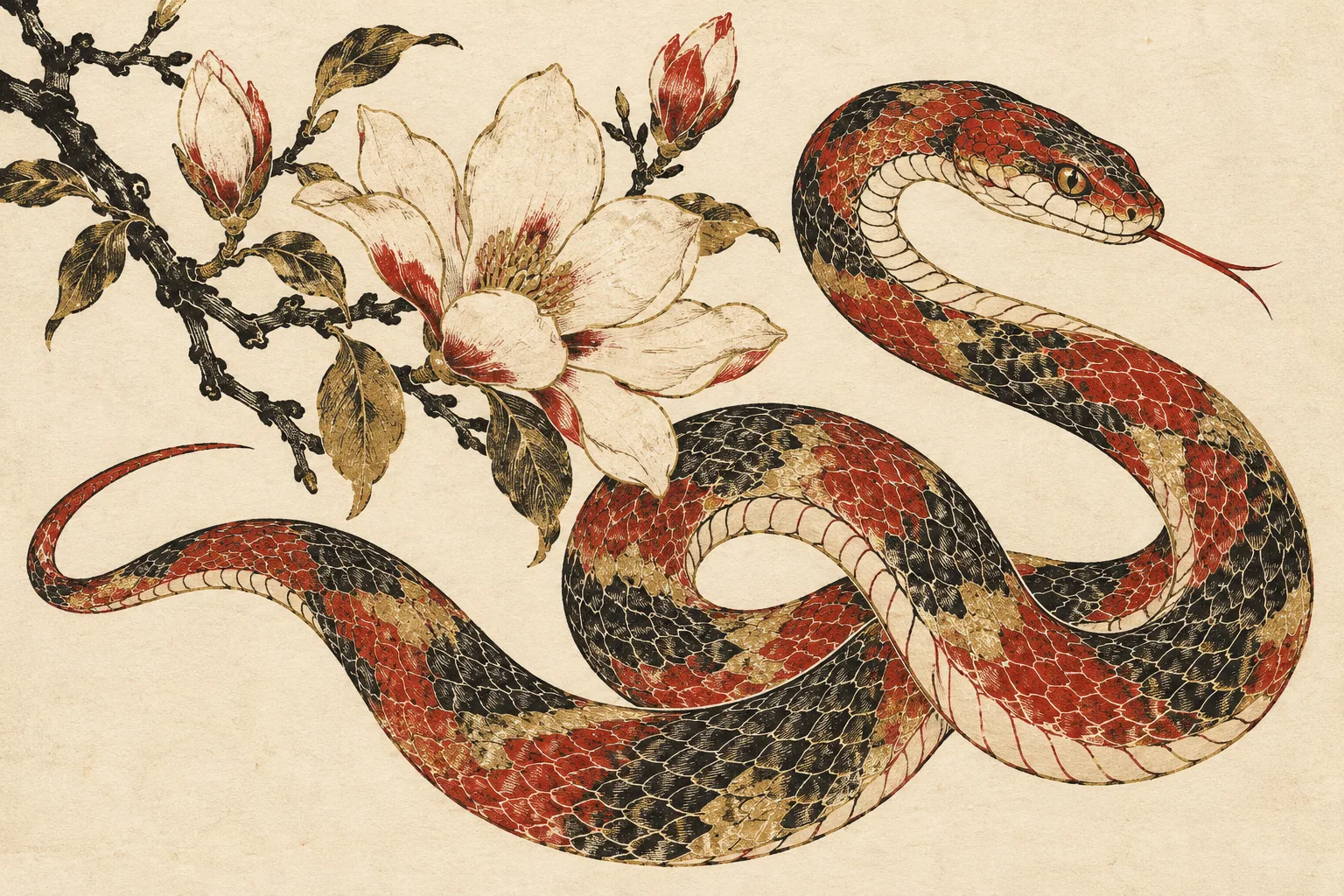 Snake Zodiac: Si Years, Elements and RenewalThe Snake appears in Chinese vessels, zodiac figures and the White Snake story, with more than one cultural expression. Si identifies its branch, while Wood Snake and Metal Snake add the heavenly stem. Those distinctions give renewal and companionship wishes a clearer context.
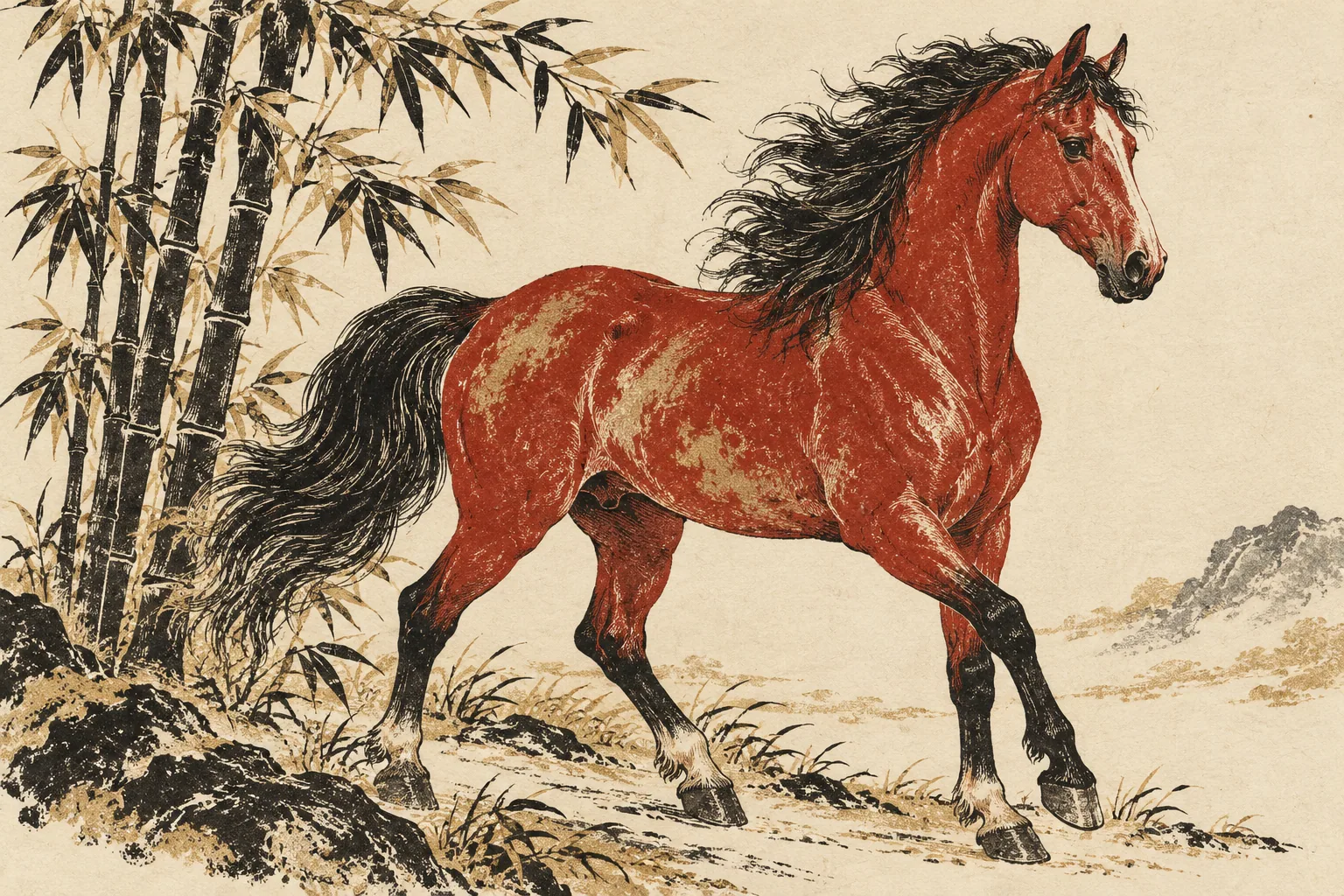 Horse Zodiac: Wu Years, Fire Horse and an Open PathThe Horse suggests travel and the energy to move forward. Wu identifies its zodiac branch, while Fire, Wood and Water Horse add the heavenly stem. Those layers give a birthday or new-career wish a clearer cultural and calendar setting.
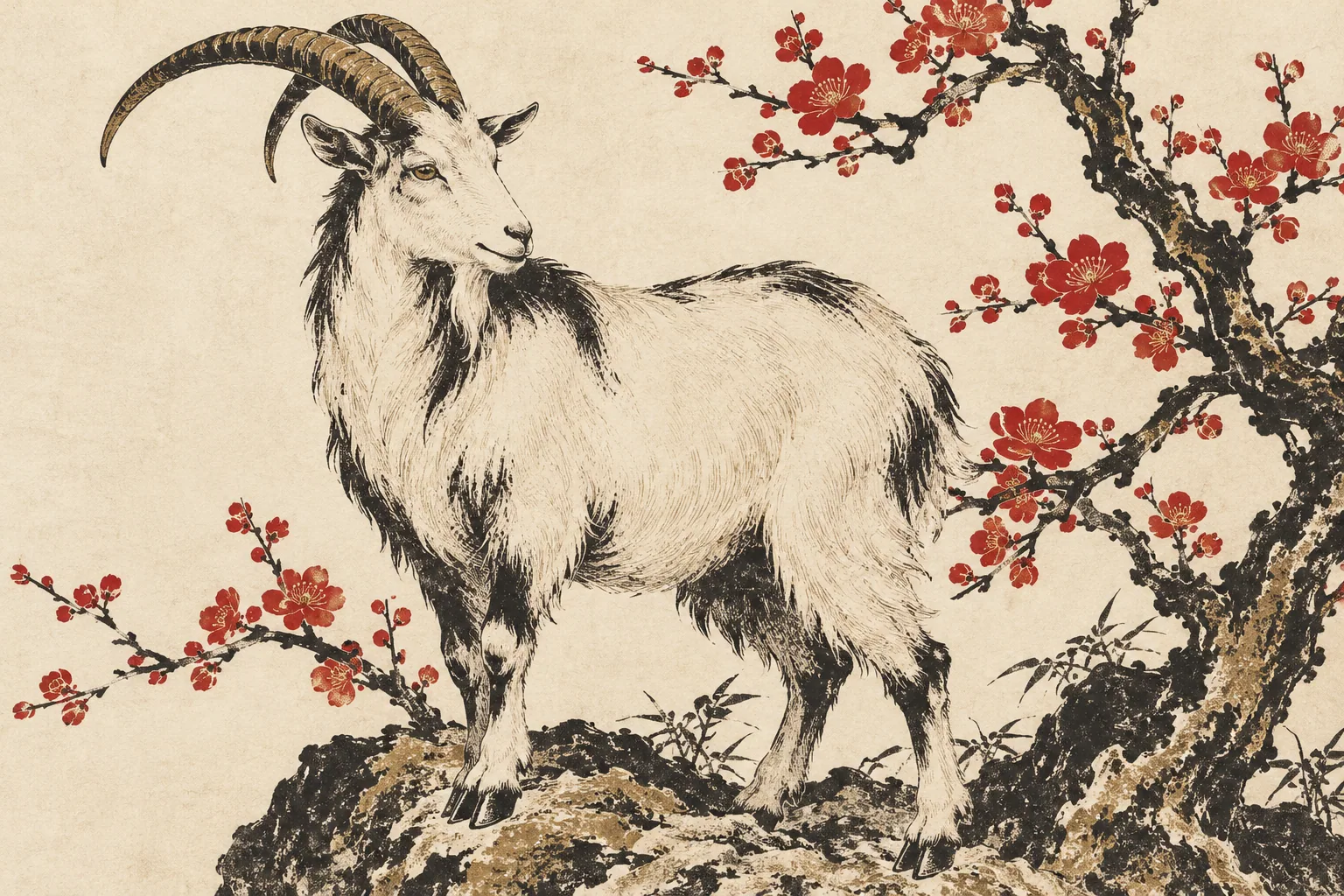 Goat Zodiac: Wei Years and Wishes for HarmonyThe Goat appears in auspicious imagery of harmony, abundance and renewal. Its zodiac branch is Wei, and 2027 is the Ding-Wei Fire Goat year. Birth-year labels, seasonal imagery and a personal protection wish each add a different meaning.
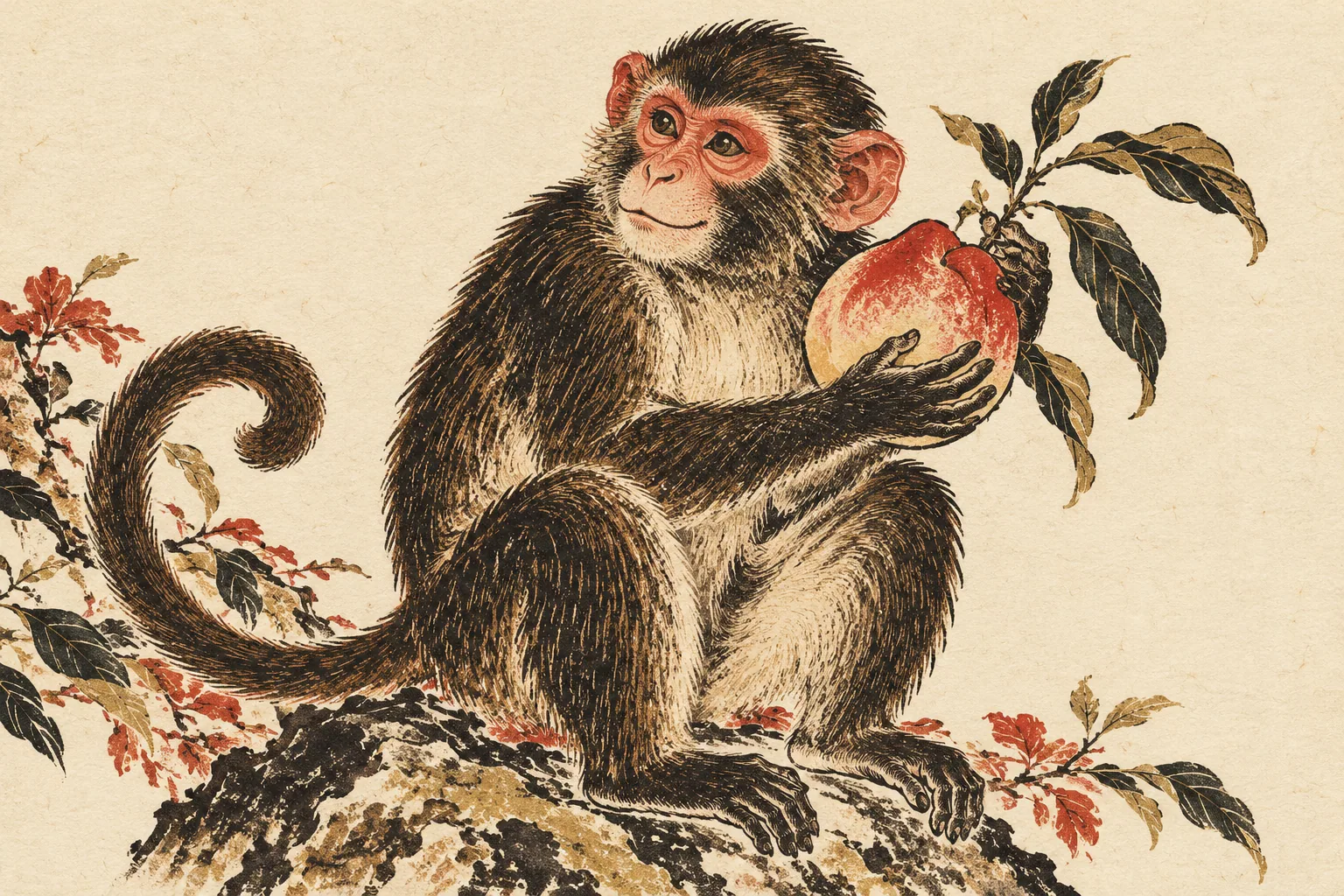 Monkey Zodiac: Shen Years, Earth Monkey and IngenuityThe Monkey brings a lively cultural image and a Chinese wordplay associated with advancement. Shen is its zodiac branch; Earth, Fire and Water Monkey name different stem–branch years. Stories and calendar labels offer related but separate meanings.
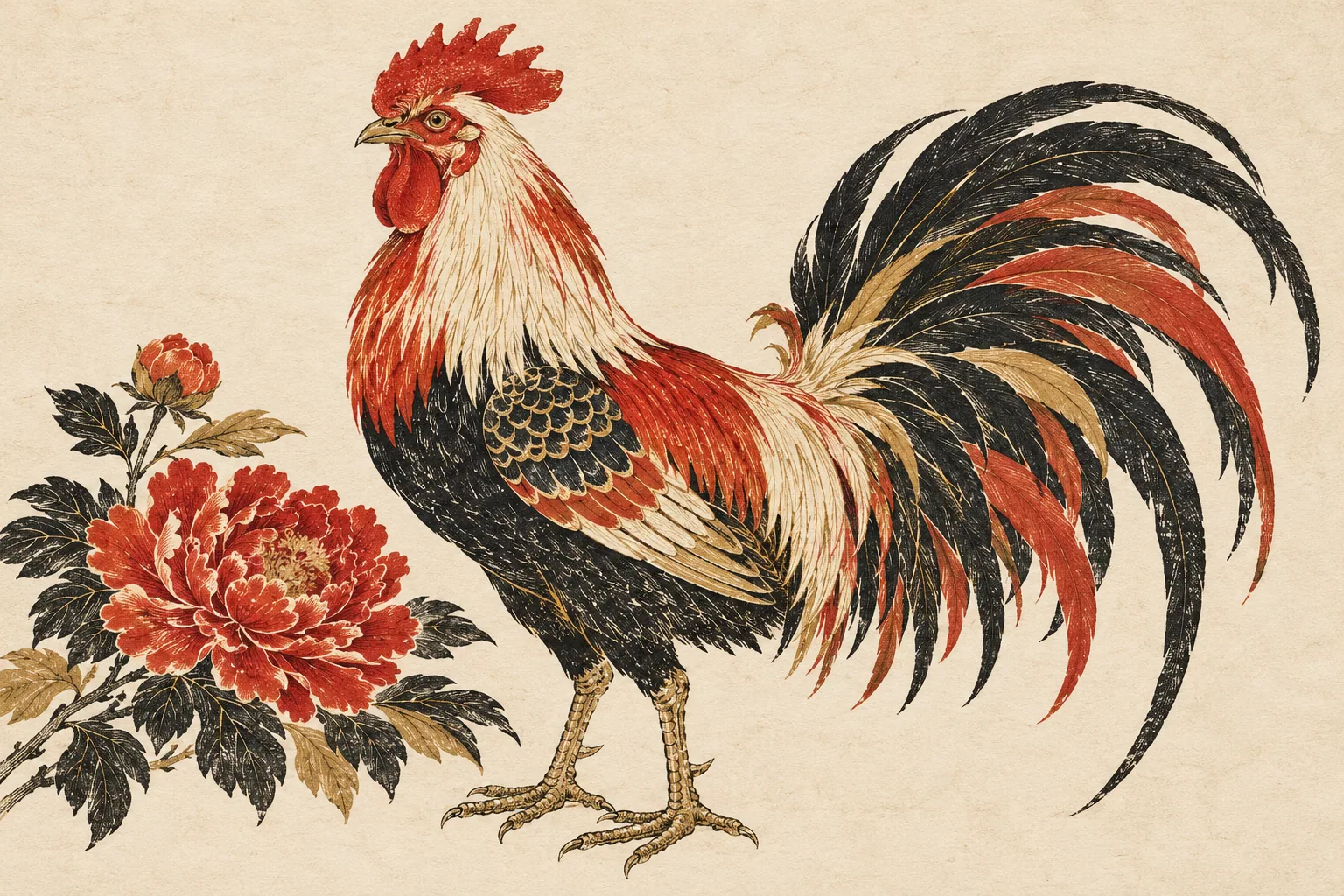 Rooster Zodiac: You Years, Five Virtues and a New DayThe Rooster’s crown and morning call carry rich meanings in auspicious art. You identifies its zodiac branch, while Earth, Fire and Metal Rooster describe different heavenly stems. Cultural imagery, calendar time and personal favorable elements each have their own role.
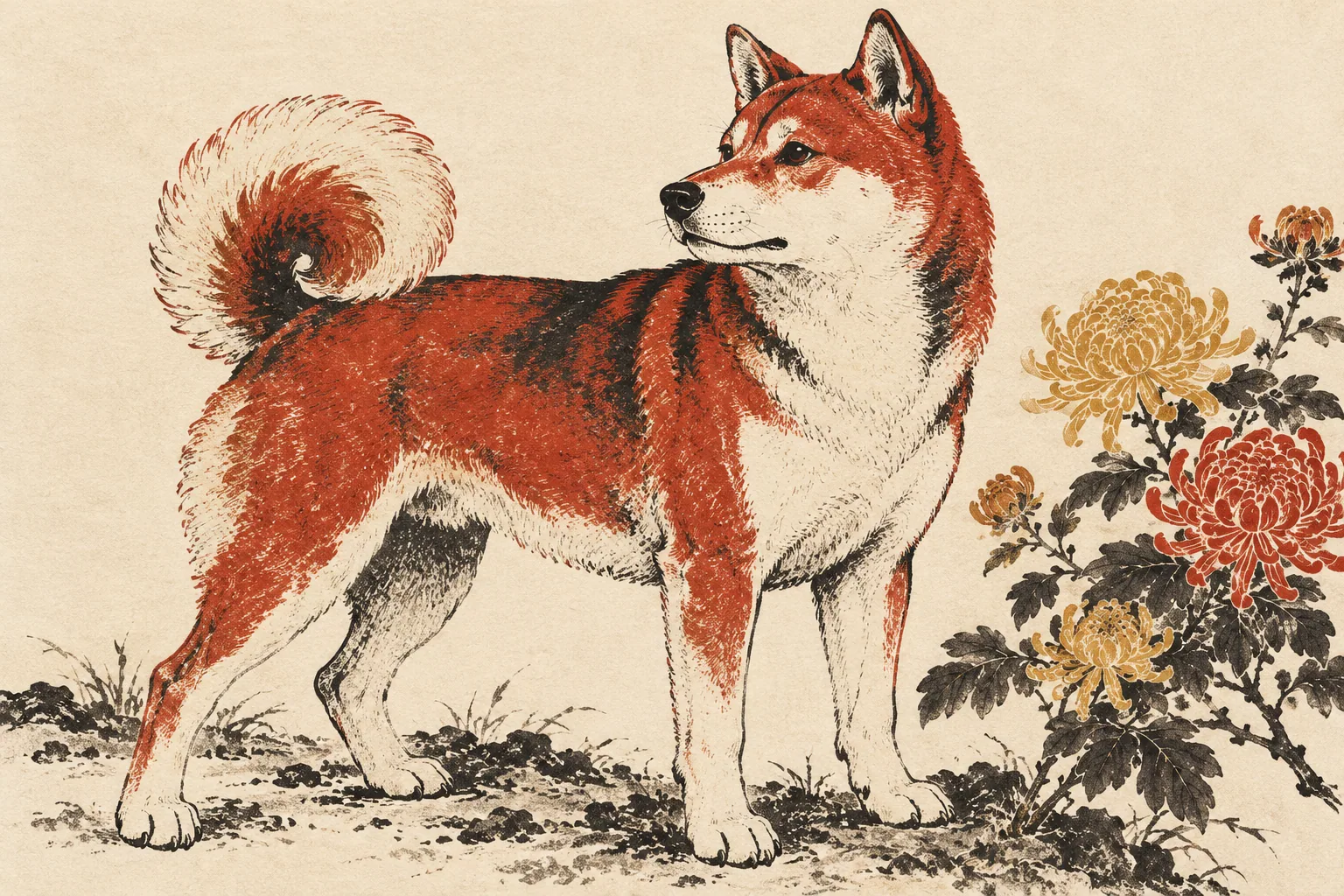 Dog Zodiac: Xu Years, Loyalty and ProtectionThe Dog’s cultural image often suggests loyalty, watchfulness and companionship. Xu identifies its branch, while Metal, Wood and Water Dog add the heavenly stem. A protection wish can draw on that image while remaining personal to its wearer.
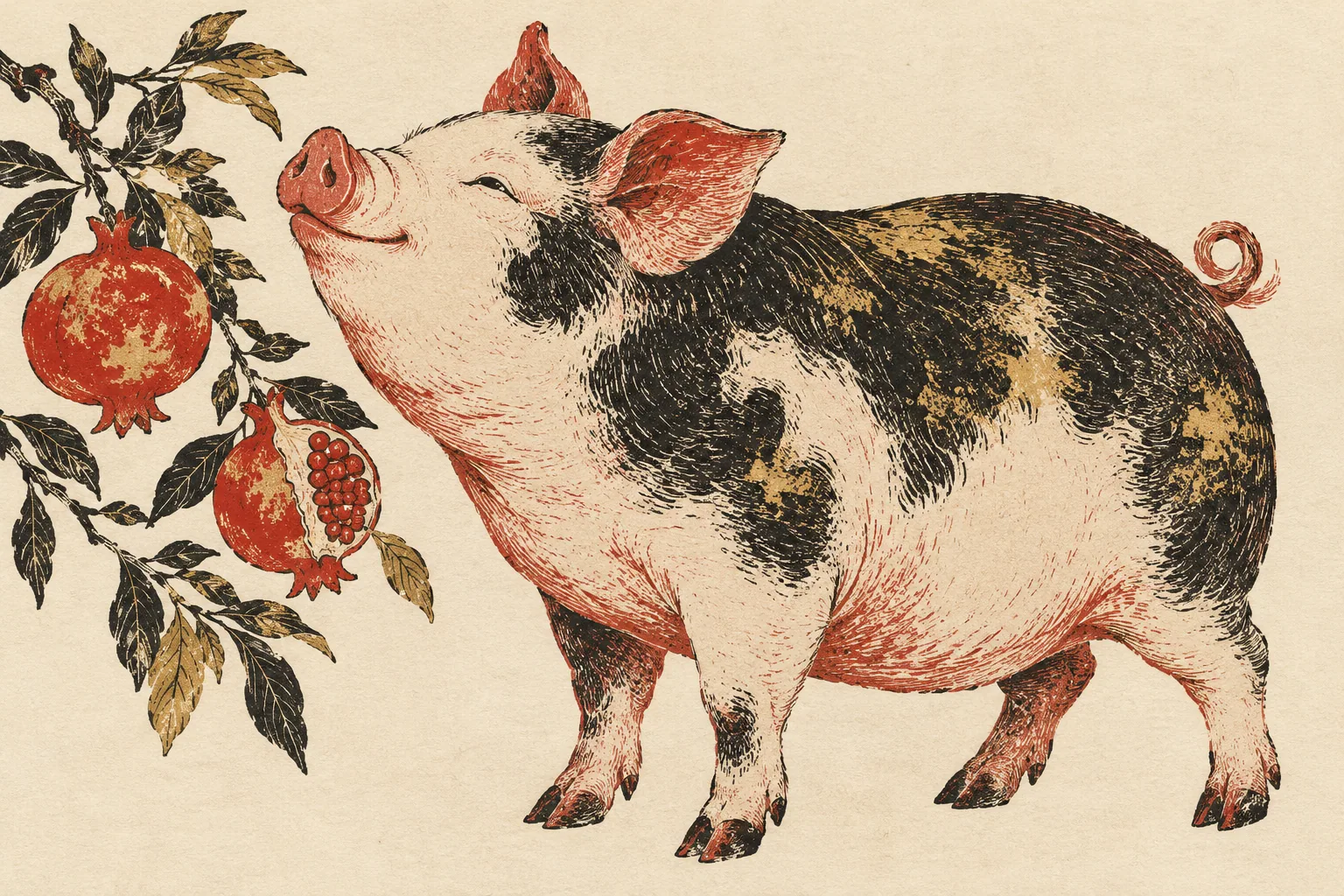 Pig Zodiac: Hai Years, Abundance and Warm ConnectionsThe Pig completes the twelve-animal sequence and often appears in auspicious imagery of abundance. Metal, Water and Wood Pig describe different stems paired with Hai. A warm prosperity wish becomes more personal when those calendar layers are understood.
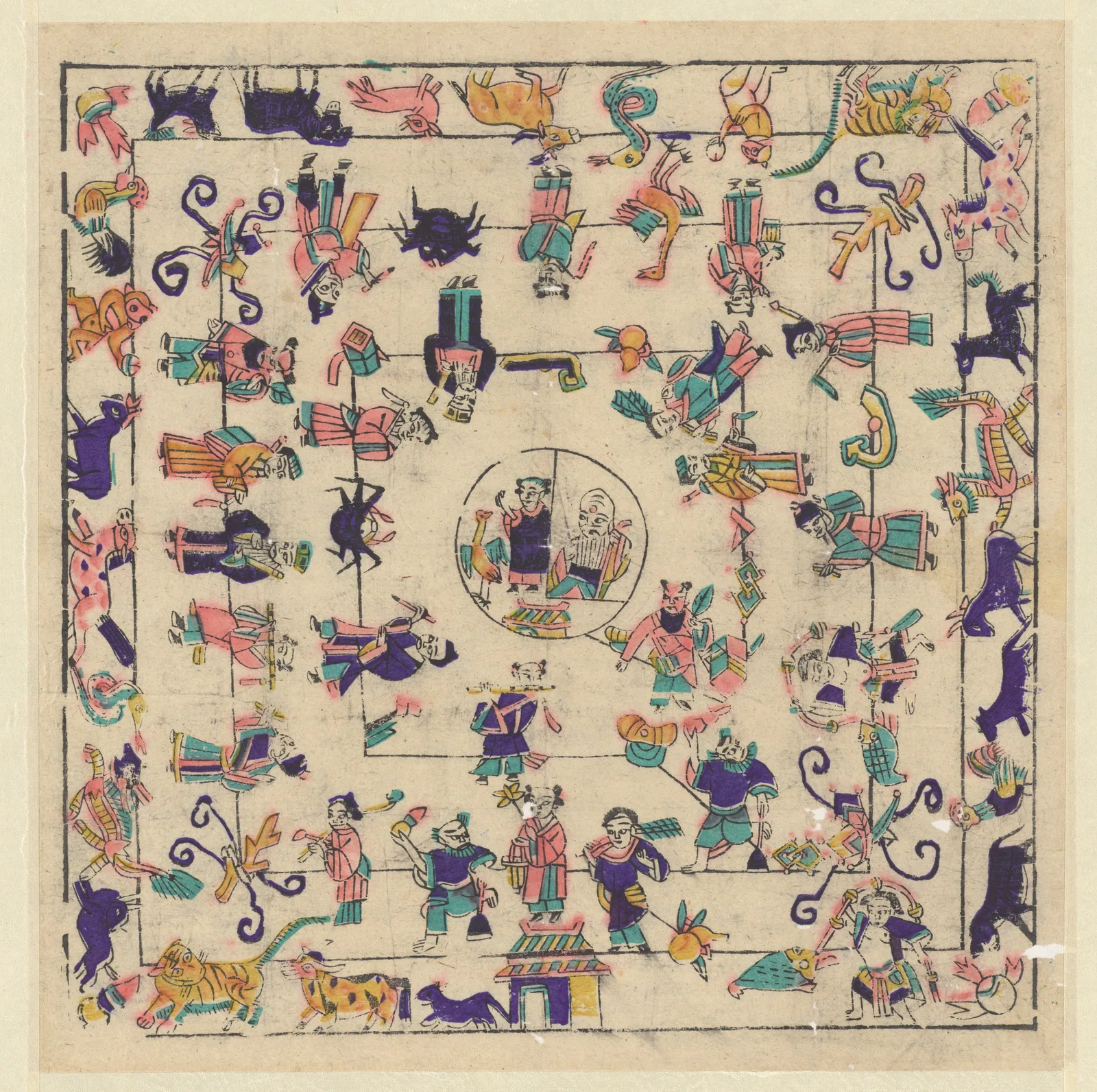 Tai Sui: Annual Relationships and Blessing TraditionsTai Sui appears both in annual BaZi terminology and in temples and New Year blessing traditions. Understanding the terms for sharing, clashing, punishment and harm offers more context than an animal list alone. A protection wish can begin with that clarity.
The year ahead
2026 Fire Horse: Year Boundaries, Traditions and IntentionsThe 2026 designation is Bing-Wu, the Fire Horse. Its forward-looking image can carry a meaningful wish, while Gregorian, Lunar New Year and Li Chun dates answer different questions. Personal BaZi, animal relationships and spatial feng shui also need their own context.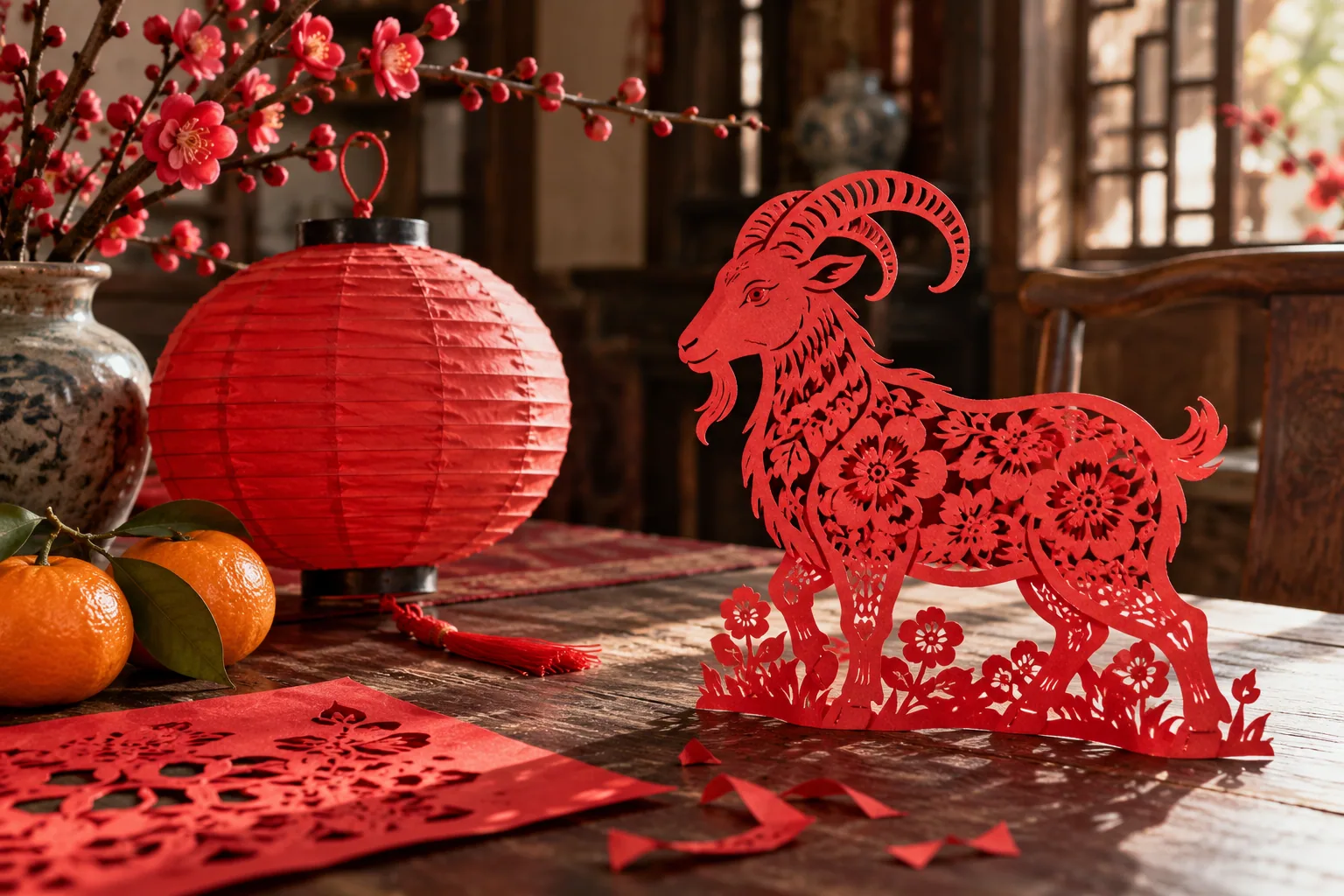 2027 Chinese Zodiac: The Year of the Fire Goat2027 is the Year of the Fire Goat (Ding Wei). It begins on Lunar New Year, Saturday, February 6, 2027, and ends on January 25, 2028. See Goat birth years, ages in 2027 for all 12 animals, and 2027 lucky colors.Rat Zodiac in 2027: Birth Years, Age and Lucky ColorsBorn in 1960, 1972, 1984, 1996, 2008 or 2020? You are a Rat. See your age in 2027, how the Rat relates to the 2027 Fire Goat year in Chinese tradition, and your lucky colors: black and deep blue with a touch of red.Ox Zodiac in 2027: Birth Years, Age and Lucky ColorsBorn in 1961, 1973, 1985, 1997, 2009 or 2021? You are a Ox. See your age in 2027, how the Ox relates to the 2027 Fire Goat year in Chinese tradition, and your lucky colors: yellow and brown with a touch of red.Tiger Zodiac in 2027: Birth Years, Age and Lucky ColorsBorn in 1962, 1974, 1986, 1998, 2010 or 2022? You are a Tiger. See your age in 2027, how the Tiger relates to the 2027 Fire Goat year in Chinese tradition, and your lucky colors: green with a touch of red.Rabbit Zodiac in 2027: Birth Years, Age and Lucky ColorsBorn in 1963, 1975, 1987, 1999, 2011 or 2023? You are a Rabbit. See your age in 2027, how the Rabbit relates to the 2027 Fire Goat year in Chinese tradition, and your lucky colors: green with a touch of red.Dragon Zodiac in 2027: Birth Years, Age and Lucky ColorsBorn in 1964, 1976, 1988, 2000, 2012 or 2024? You are a Dragon. See your age in 2027, how the Dragon relates to the 2027 Fire Goat year in Chinese tradition, and your lucky colors: yellow and brown with a touch of red.Snake Zodiac in 2027: Birth Years, Age and Lucky ColorsBorn in 1965, 1977, 1989, 2001 or 2013? You are a Snake. See your age in 2027, how the Snake relates to the 2027 Fire Goat year in Chinese tradition, and your lucky colors: red with a touch of warm yellow-brown.Horse Zodiac in 2027: Birth Years, Age and Lucky ColorsBorn in 1966, 1978, 1990, 2002 or 2014? You are a Horse. See your age in 2027, how the Horse relates to the 2027 Fire Goat year in Chinese tradition, and your lucky colors: red with a touch of warm yellow-brown.Goat Zodiac in 2027: Your Zodiac Year, Birth Years and Lucky ColorsBorn in 1955, 1967, 1979, 1991, 2003 or 2015? You are a Goat. See your age in 2027, how the Goat relates to the 2027 Fire Goat year in Chinese tradition, and your lucky colors: yellow and brown with a touch of red.Monkey Zodiac in 2027: Birth Years, Age and Lucky ColorsBorn in 1956, 1968, 1980, 1992, 2004 or 2016? You are a Monkey. See your age in 2027, how the Monkey relates to the 2027 Fire Goat year in Chinese tradition, and your lucky colors: white and gold with a touch of warm yellow-brown.Rooster Zodiac in 2027: Birth Years, Age and Lucky ColorsBorn in 1957, 1969, 1981, 1993, 2005 or 2017? You are a Rooster. See your age in 2027, how the Rooster relates to the 2027 Fire Goat year in Chinese tradition, and your lucky colors: white and gold with a touch of warm yellow-brown.Dog Zodiac in 2027: Birth Years, Age and Lucky ColorsBorn in 1958, 1970, 1982, 1994, 2006 or 2018? You are a Dog. See your age in 2027, how the Dog relates to the 2027 Fire Goat year in Chinese tradition, and your lucky colors: yellow and brown with a touch of red.Pig Zodiac in 2027: Birth Years, Age and Lucky ColorsBorn in 1959, 1971, 1983, 1995, 2007 or 2019? You are a Pig. See your age in 2027, how the Pig relates to the 2027 Fire Goat year in Chinese tradition, and your lucky colors: black and deep blue with a touch of red.2027 Lucky Colors for All 12 Chinese Zodiac SignsThe 2027 Fire Goat year colors are red and warm yellow-brown. Find the traditional lucky color for each of the 12 Chinese zodiac signs, a 2027 color pairing, and bracelets in each color.
Choosing, wearing & gifting
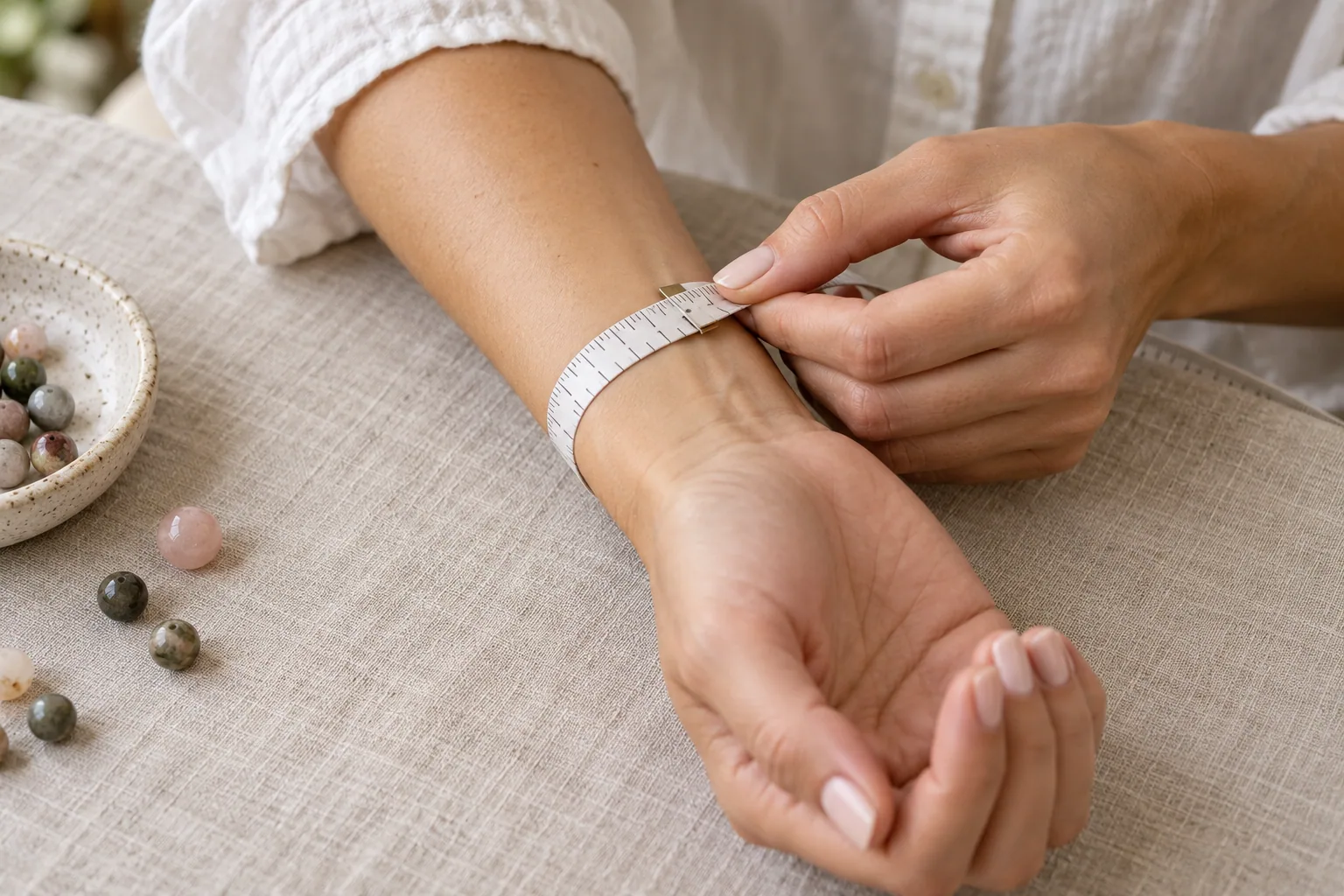 Choosing Wrist Fit and Bead SizeMeasure the wrist first, then choose the bead diameter you enjoy. Centimeters describe the circumference of the wrist; millimeters describe an individual bead. A larger or smaller bead does not replace selecting the right wrist fit.Natural Stones, Treatments and Identification ReportsAuthenticity often contains several questions: what is the material, how did it form, has it been treated, and which item does a report describe? Separating them is more informative than relying on a general claim of certification.
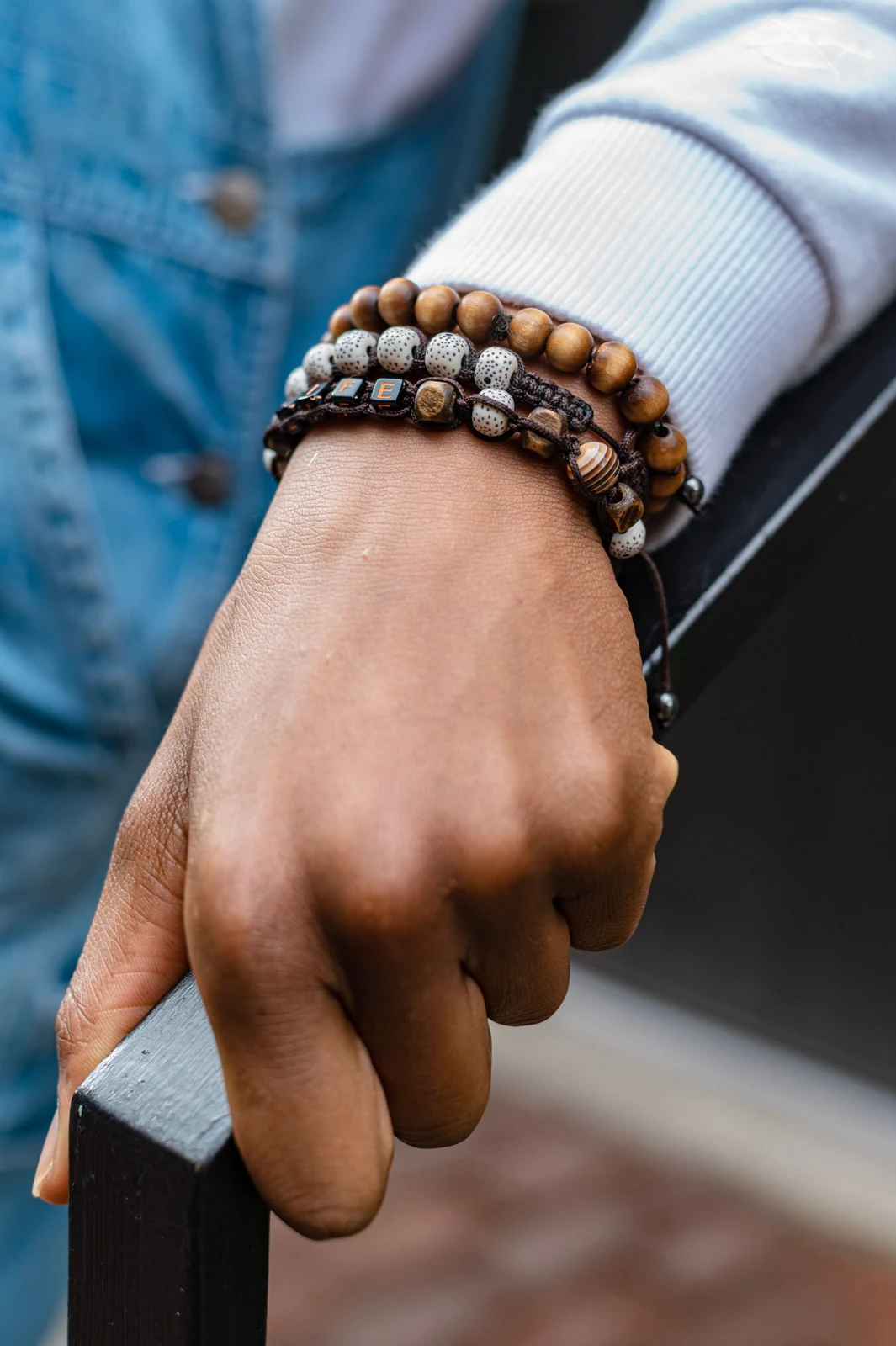 Which Wrist? Bracelet Customs, Symbols and Daily WearNo single wrist rule applies to every material, faith and bracelet shape. Plain beads, prayer malas, red strings and Pixiu designs have different contexts. Identify what you are wearing, then consider its tradition and everyday comfort together.
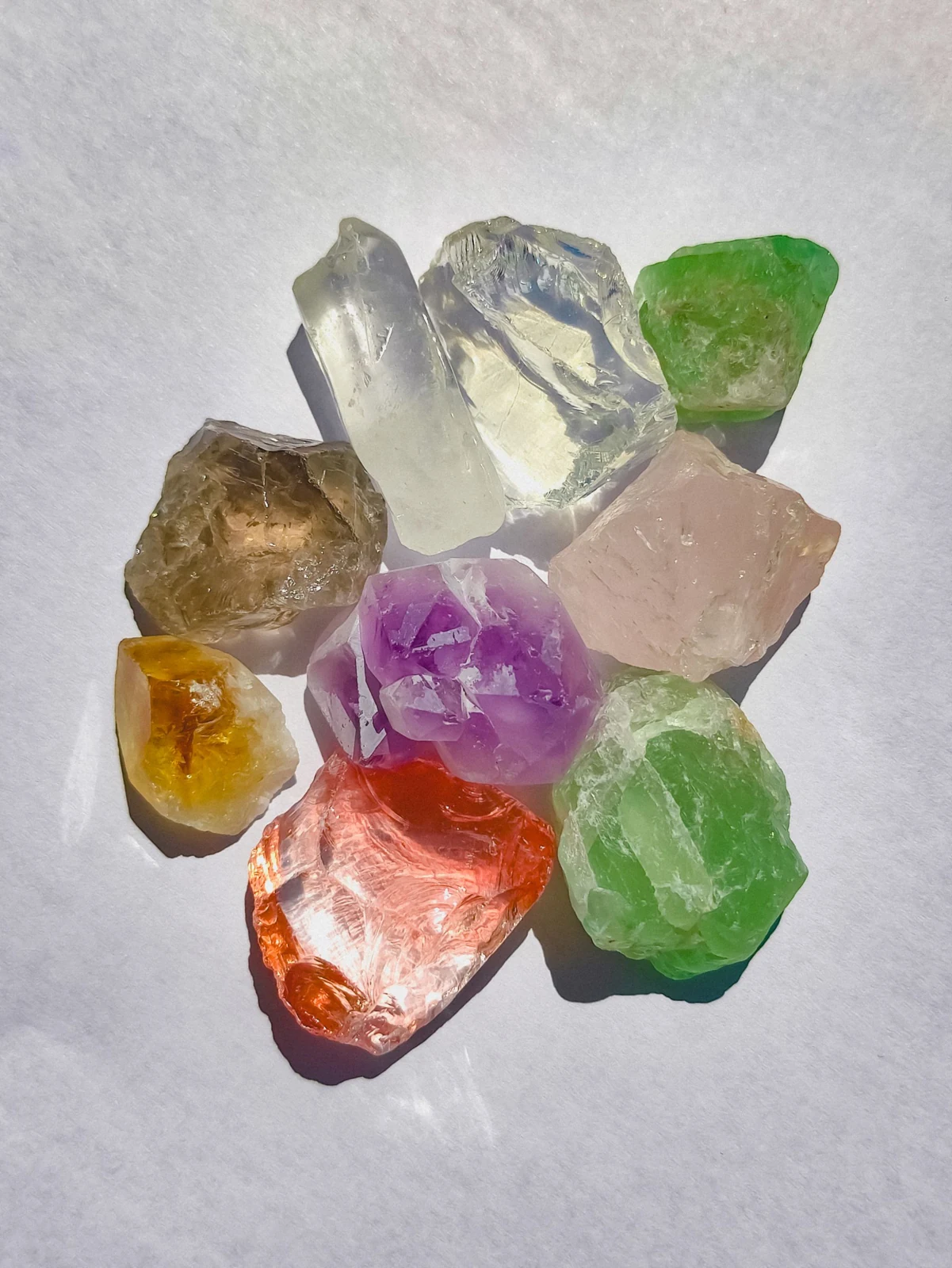 Five Elements Bracelets: Missing Is Not the Same as FavorableUnderstand the difference between a missing element and favorable BaZi guidance, then choose an intention-led or custom Five Elements bracelet.
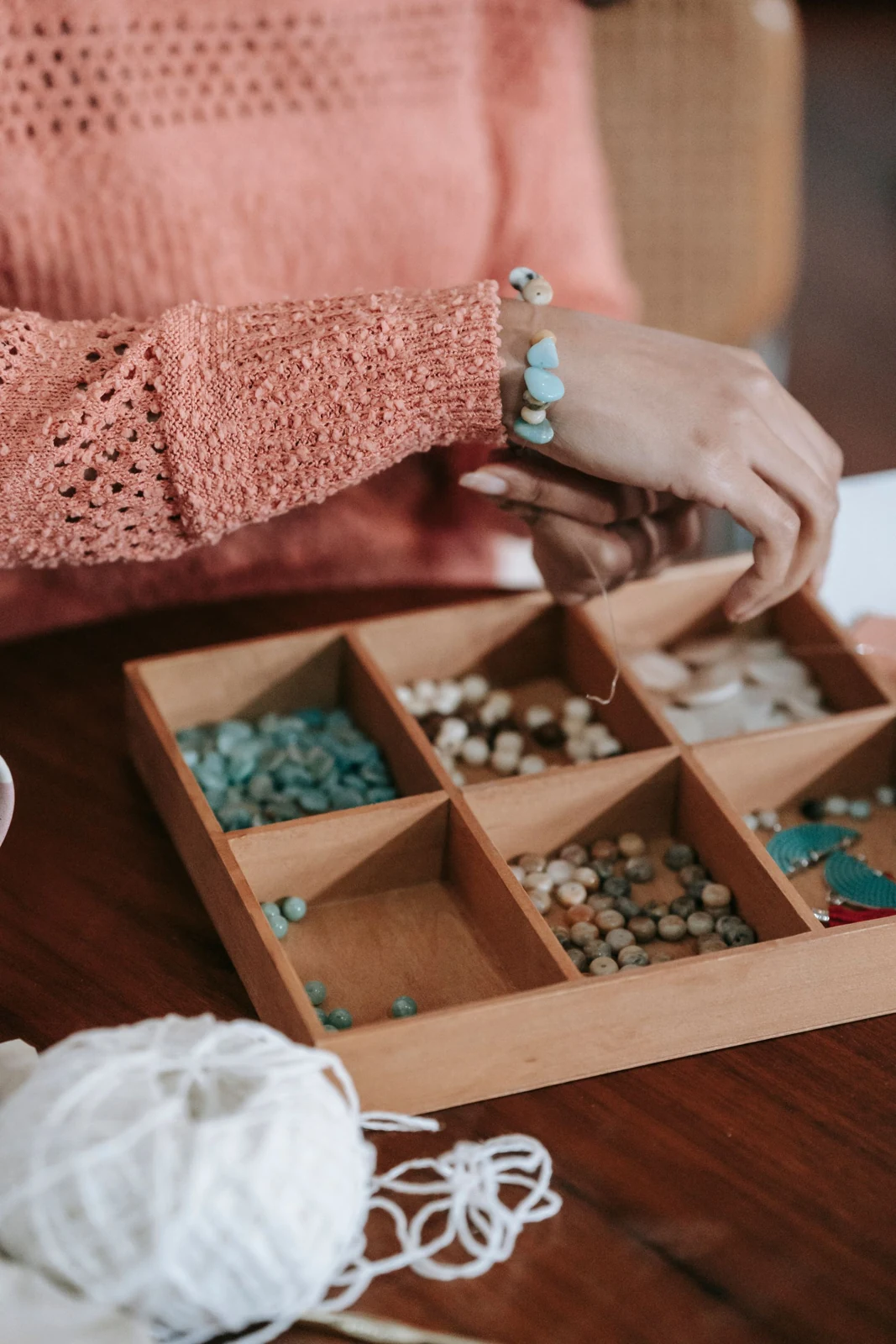 What to Prepare for a Custom BaZi BraceletPrepare your birth date, time, birthplace, main intention, existing favorable-element guidance and wrist measurement for a personal BaZi bracelet brief.
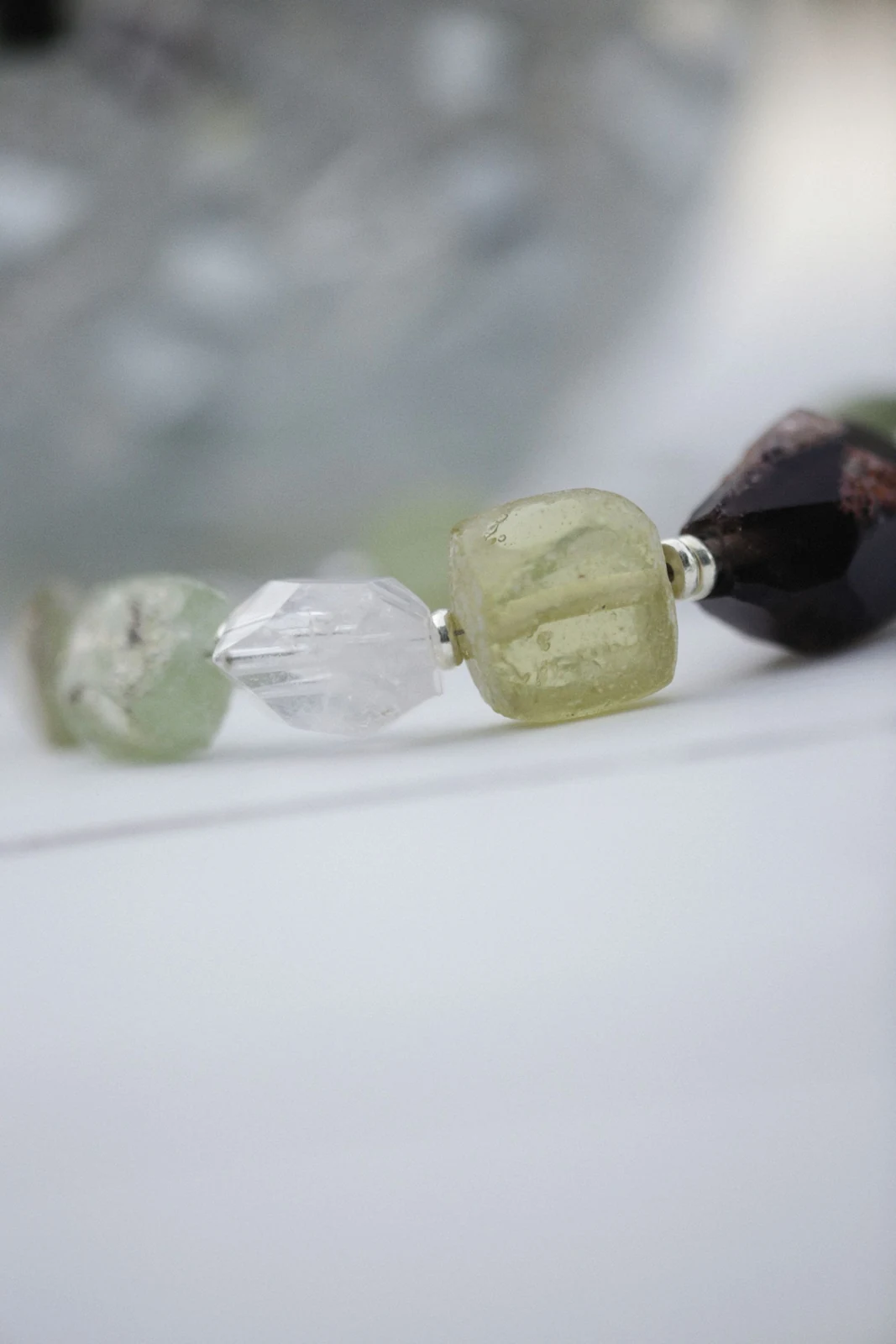 Wearing and Caring for Your Five Elements BraceletA practical guide to wearing intentions, wrist fit, daily handling and storage for a meaningful Five Elements or BaZi bracelet.
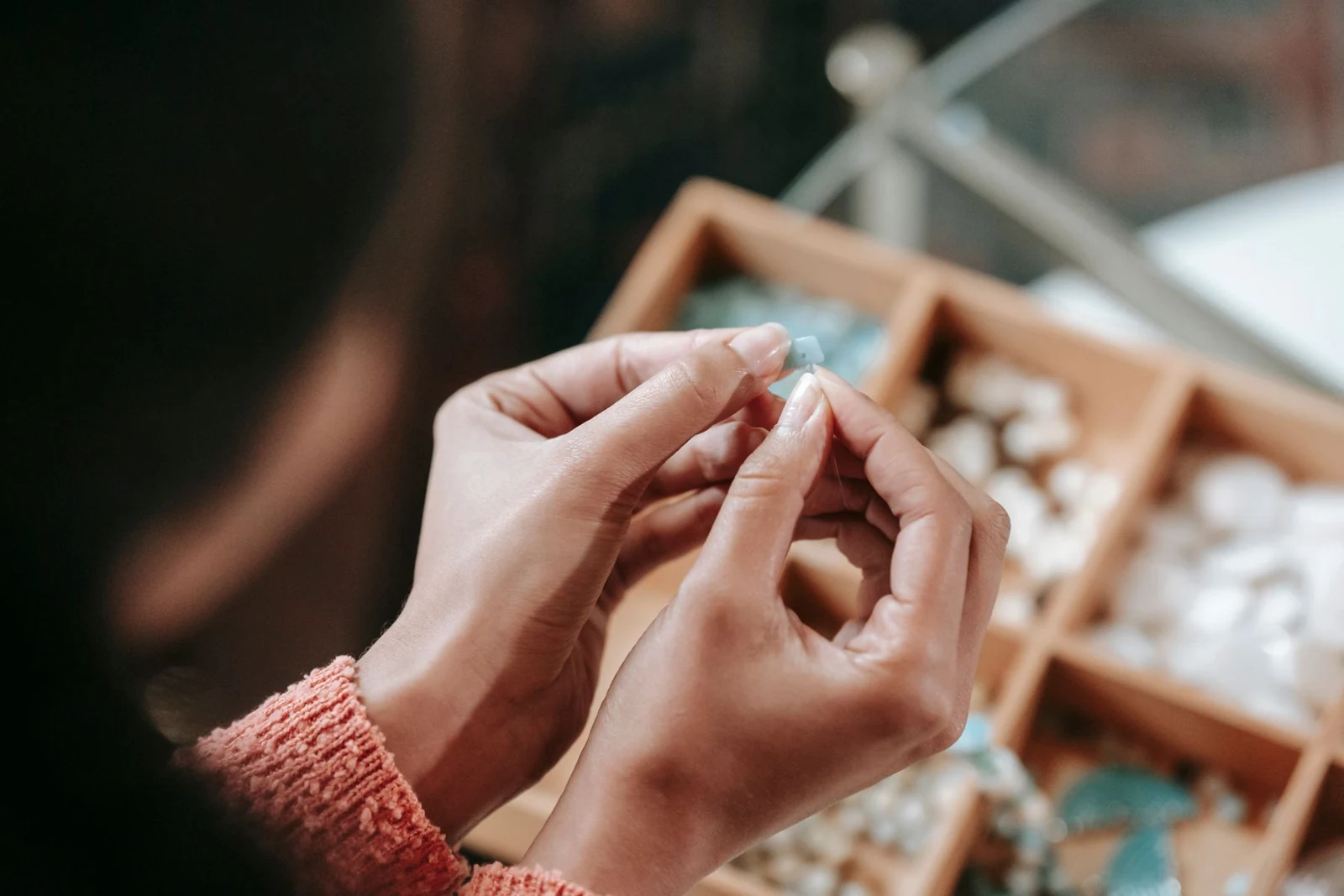 Choose a Feng Shui Bracelet by Your IntentionExplore prosperity, career, love, protection and study intentions, with a clear route from ready-to-wear Feng Shui bracelets to personal BaZi customization.
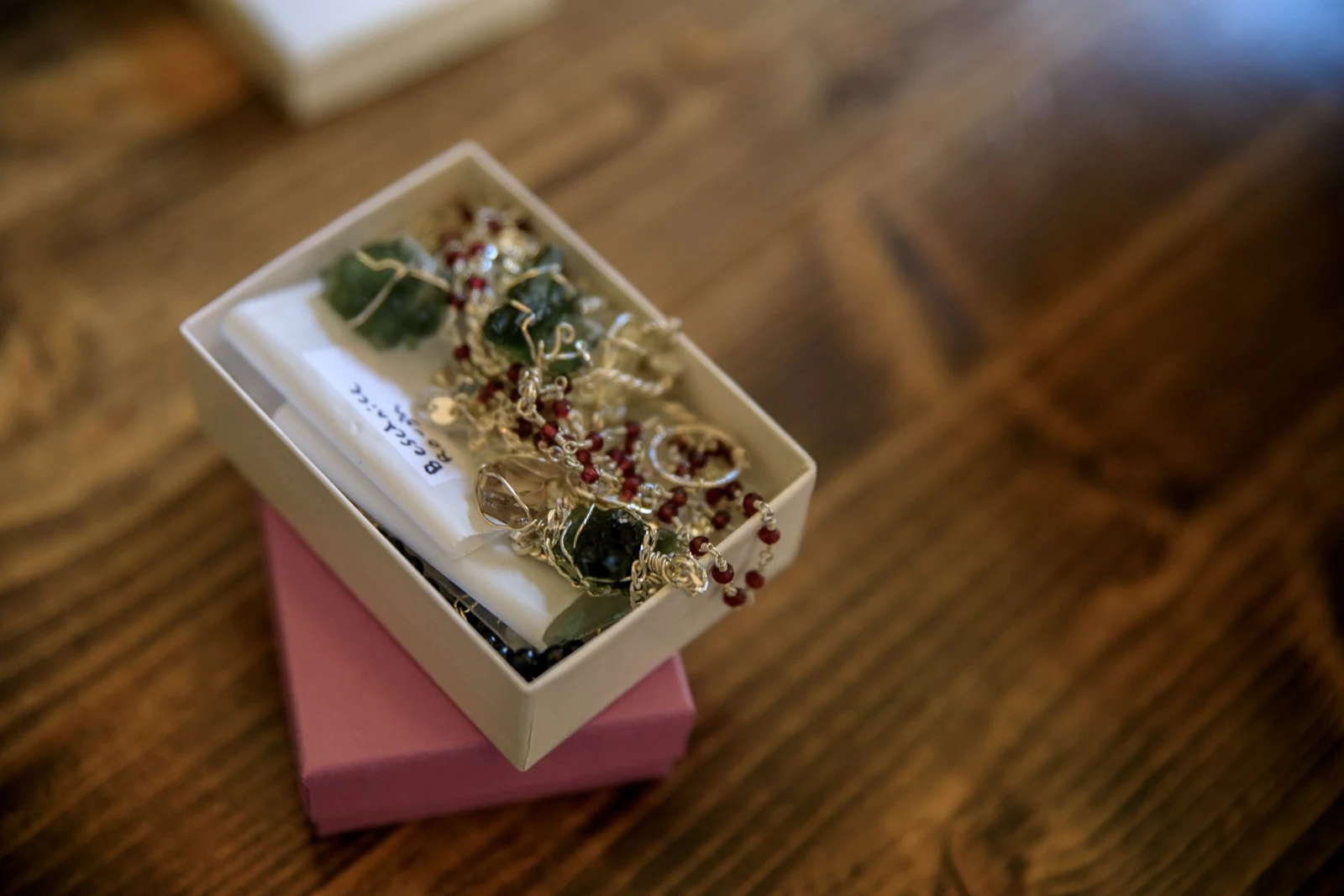 How to Give a Meaningful Feng Shui BraceletChoose a personal blessing for a new job, study, an anniversary or a journey, and decide between a ready-to-wear gift and a custom BaZi bracelet.Choosing a Protection Bracelet for Your Chinese Zodiac YearExplore zodiac-year blessings, auspicious red and personal Five Elements preferences when choosing a protection bracelet for yourself or a loved one.
Collections & custom design
Pixiu Bracelets: Materials and Personal DesignPixiu brings a distinctive guardian form to a bracelet, carrying wishes for prosperity, protection and steady progress. The carving’s expression and scale work with the surrounding beads to shape the design. Choose the style and intention you like, and discuss materials, fit and a personal composition with us.Red String Bracelets: Wishes and Personal DesignA red cord can mark a new year, a birthday or an important bond. Plain cord, intricate knotwork and beaded accents each have their own character. Tell us the blessing you want to give and the wrist size, and begin with the color, cord and details that make it personal.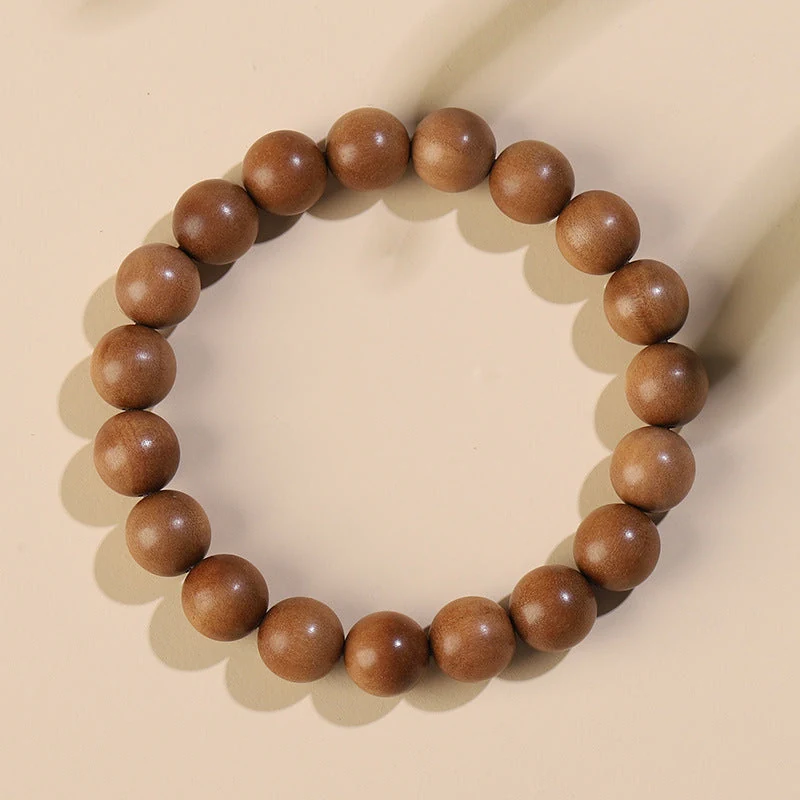 Prayer Beads and Cultural-Symbol BraceletsThe rhythm of beads through the fingers and the feel of wood or stone give a wish for calm a place in everyday life. We discuss prayer beads and symbolic bracelets around their use in practice, remembrance or daily wear, with the count, materials and construction arranged to your brief.
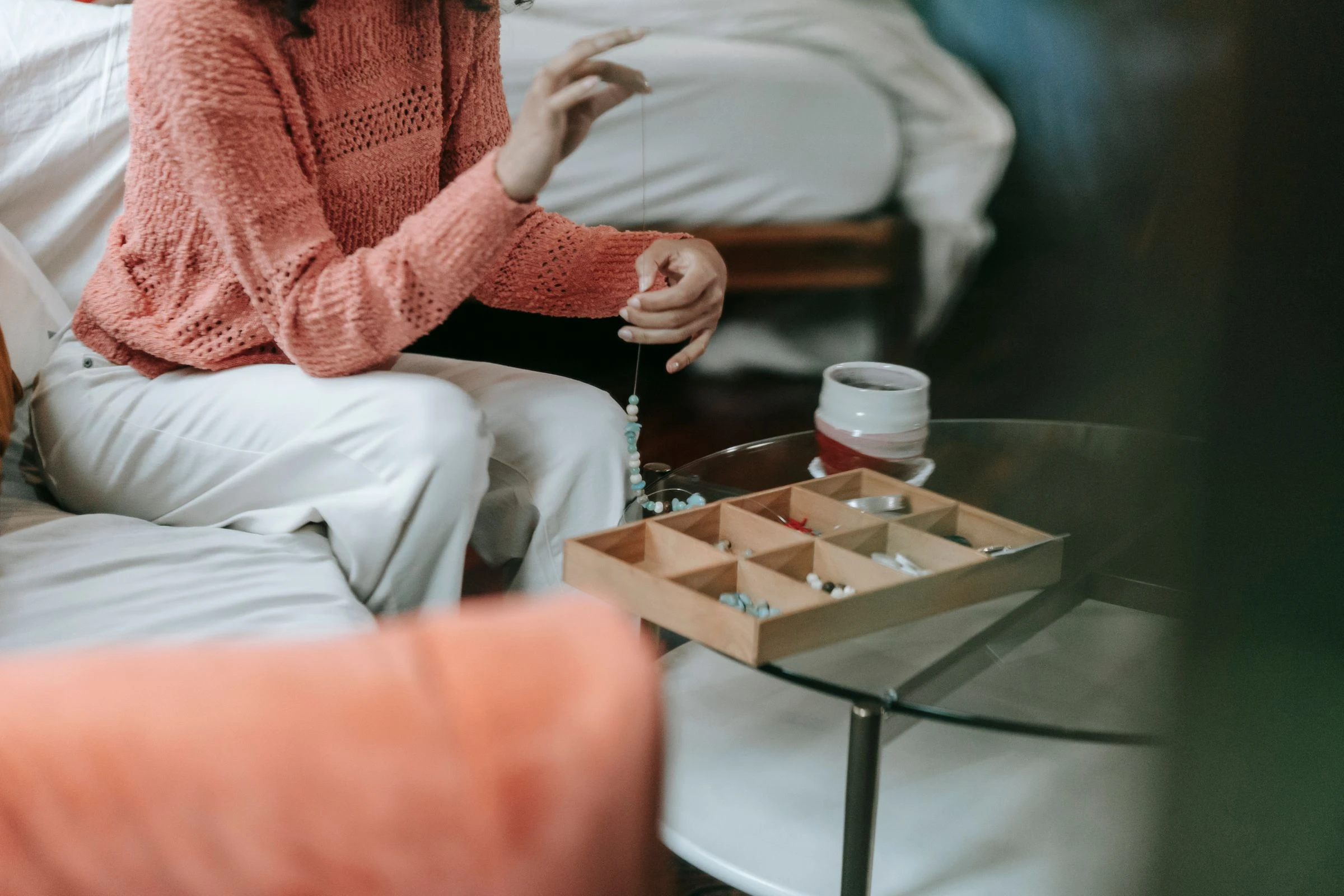 Design Your BraceletA favorite color, material or personal wish can become a bracelet design. Describe the appearance you would enjoy wearing, then bring it together with bead diameter and wrist fit in a proposal that can be confirmed and quoted.
 Custom Bracelets for Couples and FamilyRelated bracelets can share a color or theme while keeping different materials and dimensions. A common intention and two designs the wearers genuinely enjoy make a thoughtful gift for a couple, family or birthday.Custom Design Confirmation and DeliveryA custom bracelet brings intention, materials and wearing dimensions into one agreed proposal. Confirm the composition and quote before making and delivery arrangements, with timing, costs and aftercare conditions tied to the actual request and destination.Bracelet Wishes for 2027Mark 2027 with a wish for peaceful days, abundance or companionship for yourself and those close to you. This selection organizes existing catalog designs by new-year intentions, with personal color and material options available through a design discussion.
People & public sources
Mak Ling Ling: work, books and official channelsA search for Mak Ling Ling may lead to an annual zodiac forecast, a book or an auspicious object. Identifying which of these you want makes it easier to find the right original source.Mak Ling Ling in 2027: books and public sourcesStart a search for the Year of the Goat by checking the year and the publisher. This directory brings together book records and reading routes found as of 13 October 2026.Mak Ling Ling’s almanacs: choosing the right editionThe year on a cover, a seller’s upload date and a digital platform’s date can describe different things. A complete title and edition record help you identify the book you actually intend to read.