Why dragons appear with clouds and water
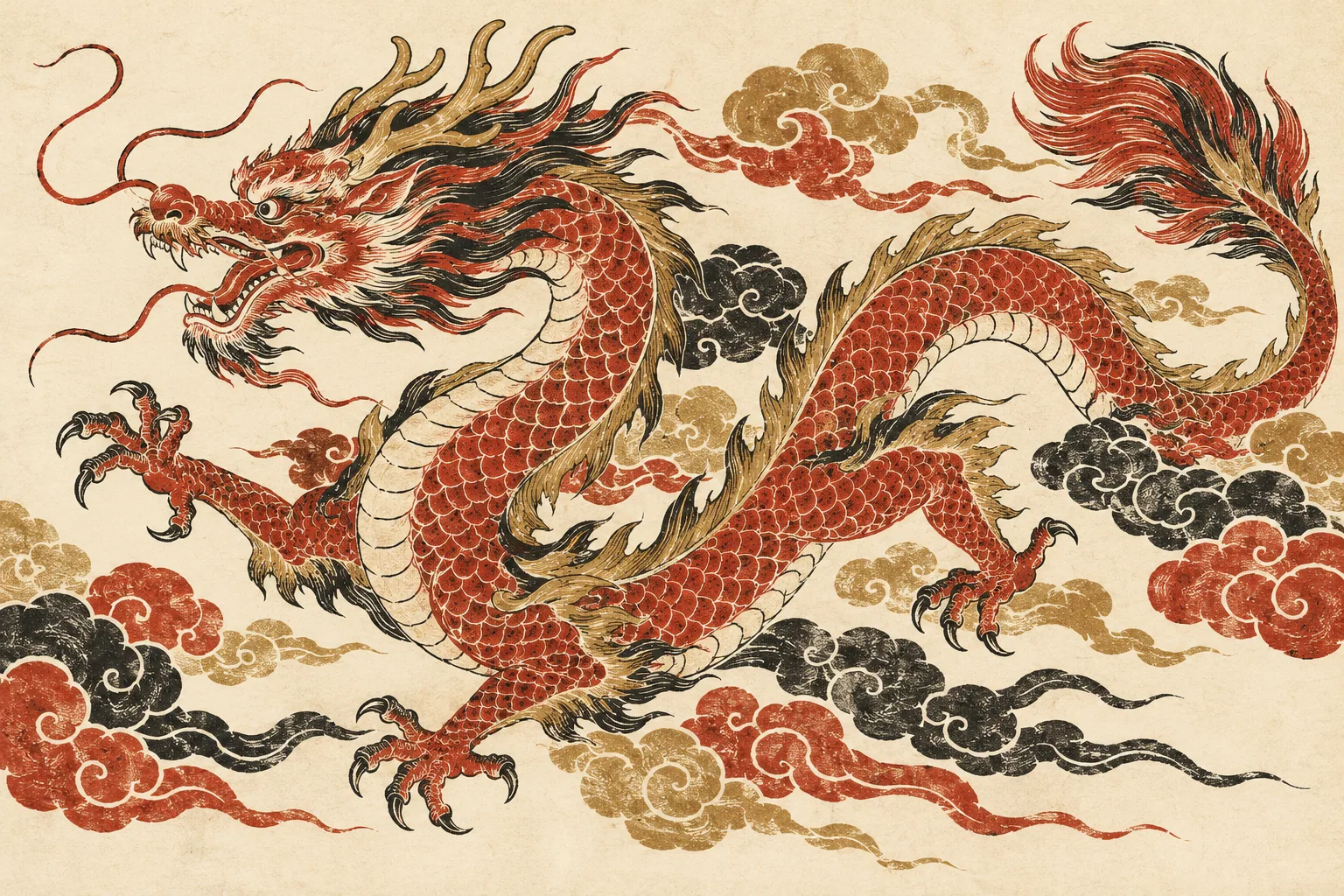
Chinese dragons have long been associated with clouds, rain and waterways. The Metropolitan Museum’s interpretation of dragon objects also describes several layers of meaning, including water, protection and authority. This differs from the treasure-guarding monster familiar in some Western stories.
Look around the dragon: waves, cloud scrolls, a luminous-looking pearl or other creatures help shape the picture. Cloud and water imagery suggests movement, paired dragons create symmetry, and a coiled individual emphasizes the body’s curve and force.
Modern Feng Shui objects may use the dragon for aspiration, protection or vitality. Understanding the image gives those wishes a more particular expression than describing every dragon as the same prosperity device.
The pearl, claws and posture are useful details
The dragon-and-pearl motif is highly recognizable. The pearl often carries flame-like edges, and scholars have discussed its precise meaning in different ways. It belongs to a composed image rather than functioning as a random accessory beside the head.
In court art and clothing, dragons could express rank and authority. Five claws had particular court associations in some historical settings, but the claw count of a modern ornament does not establish its age, status or workmanship. Nor does it measure a stronger symbolic effect.
Posture also affects display. A raised head, coiled body, sideways movement or dragon traveling around a vessel has a different viewing angle. A piece placed too high or among many objects may hide the relationship that makes its form interesting.
Dragons, pixiu, dragon turtles and dragon horses
Dragons and pixiu both appear in auspicious decoration but have different forms and folk associations. Pixiu is commonly recognized through a beast-like figure and prosperity themes, while the dragon develops a longer body, scales and horns. Horns or a gold surface alone do not identify the creature.
A dragon turtle combines a dragon-like head with a tortoise body and is associated in modern ornament with endurance and support. A dragon horse is another composite image. Read the complete name and inspect the actual form rather than relying on one broad category.
For a gift, connect the wording to the object and occasion: aspiration in a professional beginning, steadiness for a birthday, or a shared cultural interest at home. The images need not be ranked by supposed strength.
Which way should the dragon face?
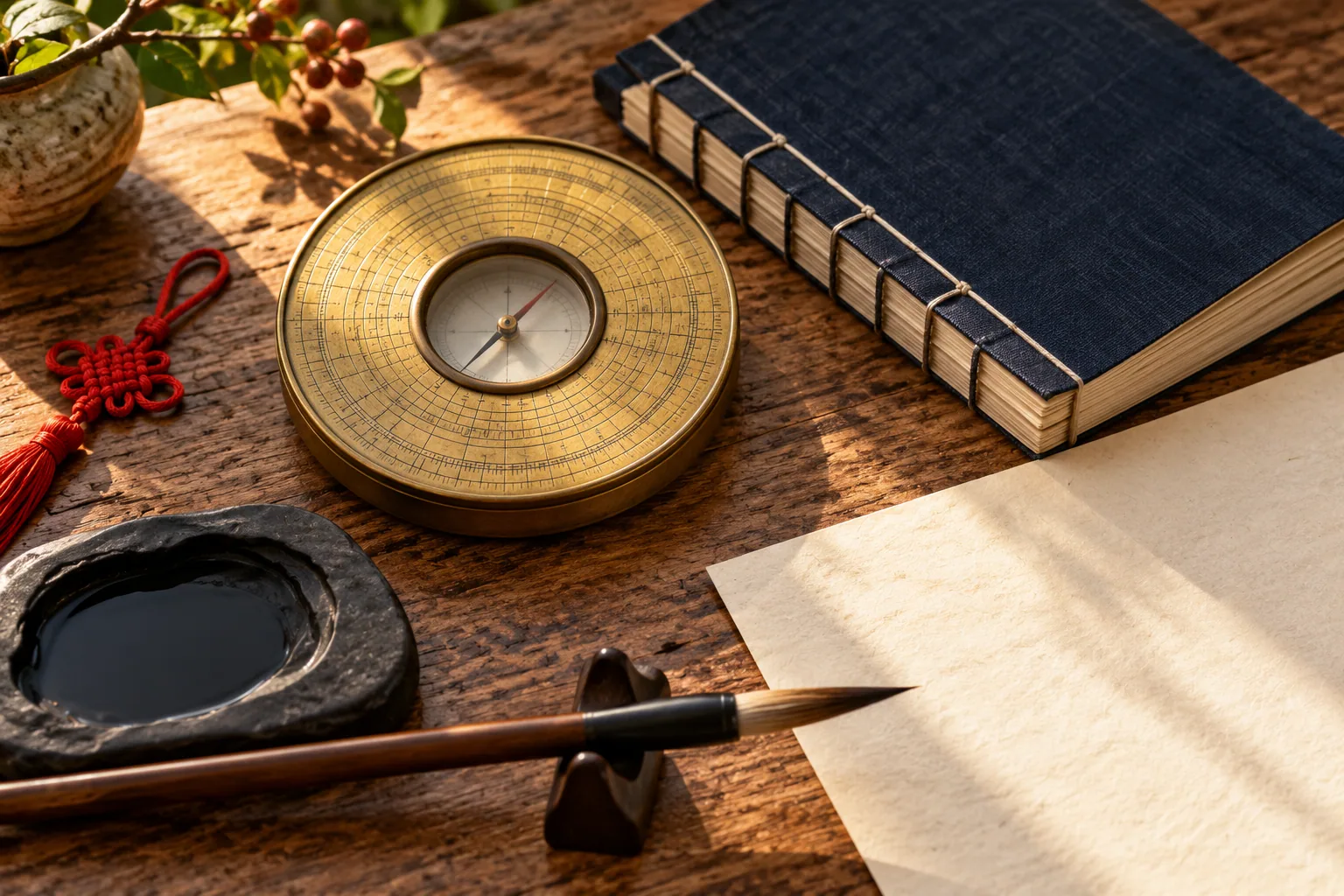
No single orientation applies to every dragon form, room and practice. A compass association, entrance arrangement, workspace and landscape provide different contexts. Establish whether the object is a freestanding sculpture, a pair or part of a larger picture before deciding how it faces.
For a desktop piece, present the principal view toward a place from which it can be appreciated. Keep its base stable and leave room to see the body and tail. Protruding horns or claws should not sit where a sleeve, bag or opening cupboard regularly catches them.
A specific Feng Shui placement should identify the property direction, room use and method. The Azure Dragon’s directional symbolism is not a universal instruction to place every dragon sculpture in one eastern corner.
Material changes both appearance and care
A gold-coloured dragon may be metal, resin, ceramic or a coated object. The colour does not identify the material. Weight, dimensions, base and finish determine whether the intended shelf or desk is suitable. Wood, stone and ceramics also have different vulnerable parts.
In a smaller home, a proportionate object or image can be easier to appreciate than an oversized display. Keep furniture usable, preserve light and allow access for dusting. A desk still needs its working surface.
Natural aging, applied finishes and deliberate antique-style decoration are different. A modern piece can be enjoyed for craftsmanship and meaning without treating a darkened surface as proof of historical age.
Keep the blessing connected with daily life
Dragon imagery can mark a new home, professional beginning or collecting interest. A visible, maintainable position and a short explanation of the choice give it a personal place. Many additional symbols are not needed to make that connection meaningful.
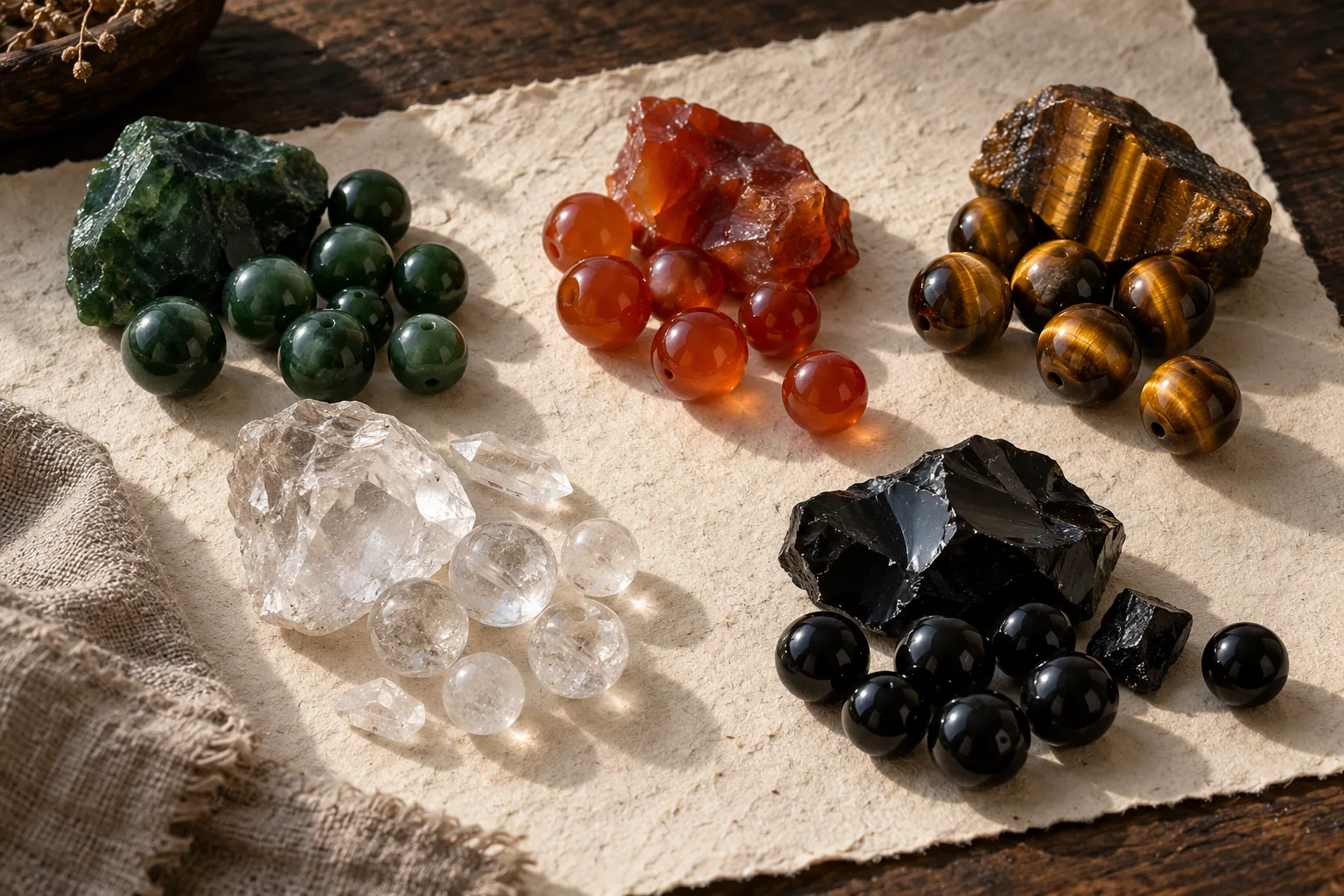
The dragon’s associations with aspiration and protection can give meaning to a career milestone, birthday or new home. If you prefer a wearable expression, explore career and protection bracelets through their actual materials, bead sizes and everyday fit.
Questions & answers
Does a five-clawed dragon have a stronger prosperity meaning?
Claw counts can have historical rank associations, but they do not establish a hierarchy of effects for modern objects.
Must every dragon be displayed in the east?
No universal position applies to all objects and homes. Directional imagery and a particular placement method should be distinguished.
Are dragons and pixiu the same creature?
No. Their forms and folk themes differ; check the name against the actual design.