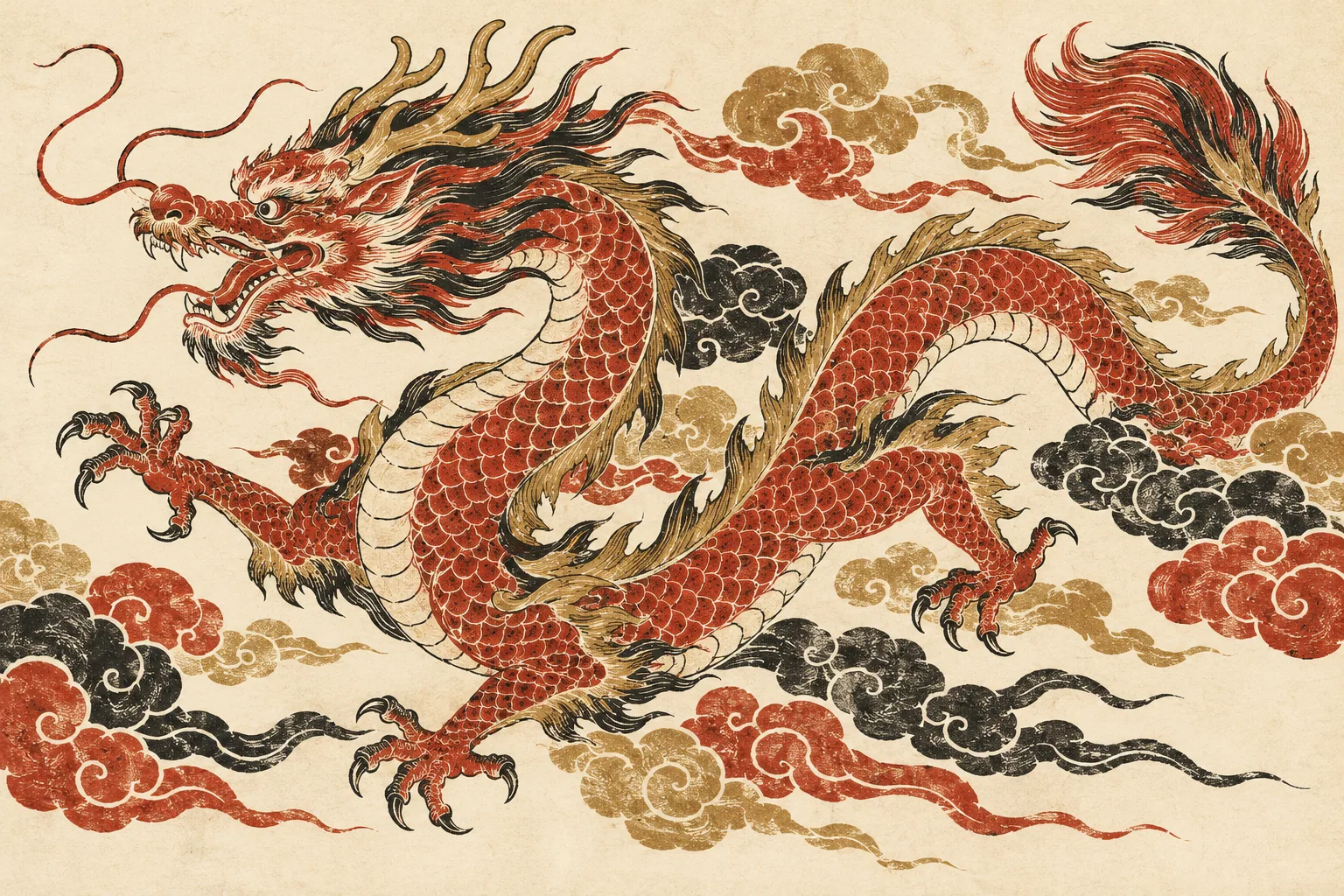
An image of endurance in architecture and objects
Tortoises are associated with longevity and stability in Chinese culture. The Palace Museum discusses the bronze tortoises before Qianqing Palace within a larger architectural and enduring symbolic setting. The form belongs to more than the modern market for desktop ornaments.
Museum collections also include Han-dynasty ceramic tortoises. A small ceramic work, a palace bronze and a contemporary ornament share an animal image while their purposes and contexts differ. Looking at the period and setting adds depth to the choice.
For a birthday or new-home gift, a tortoise can express lasting companionship or a steady foundation. Its low, settled shape can also provide a quiet visual presence without requiring a promise of a particular result.
Tortoise, dragon turtle and bixi are different labels
A tortoise figure retains an animal-like head, feet and shell. A dragon turtle typically combines a dragon-like head with a tortoise body. Small turtles, coins or ingots may be added to modern pieces, changing the folk themes represented by the whole composition.
Bixi is especially familiar as the creature carrying a stone stele in architectural settings. The Palace Museum’s entry on the spirit-way stele pavilion describes that use. It may have visual connections with a modern dragon-turtle ornament, but the setting and purpose should not be lost.
A piece with a stele, one with a smaller turtle and one incorporating coins invite different readings. The more elements in the design, the more useful it is to identify them rather than combining every interpretation into one fixed rule.
Orientation needs a room and a method
Some folk advice favors an outward-facing head, while other arrangements use a different direction or a position behind a seat. Directional Black Tortoise imagery, a supported workstation and the front view of an ornament are separate matters. They do not create one universal orientation.
For ordinary display, present the main form where it can be appreciated, with a stable base and space for cleaning. A head extending beyond a desktop may catch a sleeve or arm. Moving the piece inward can give it a clearer and more practical boundary.
For a particular spatial method, record the room, furniture and intended position. A tortoise-shaped object does not automatically belong in water; wood, ceramic and coated metal have their own material requirements.
A clear place in a study or living room
A small tortoise on a desk can carry a wish for persistence and accumulated learning or achievement. Leave the keyboard, files and drawers usable. One clearly formed piece can provide a stable visual focus.
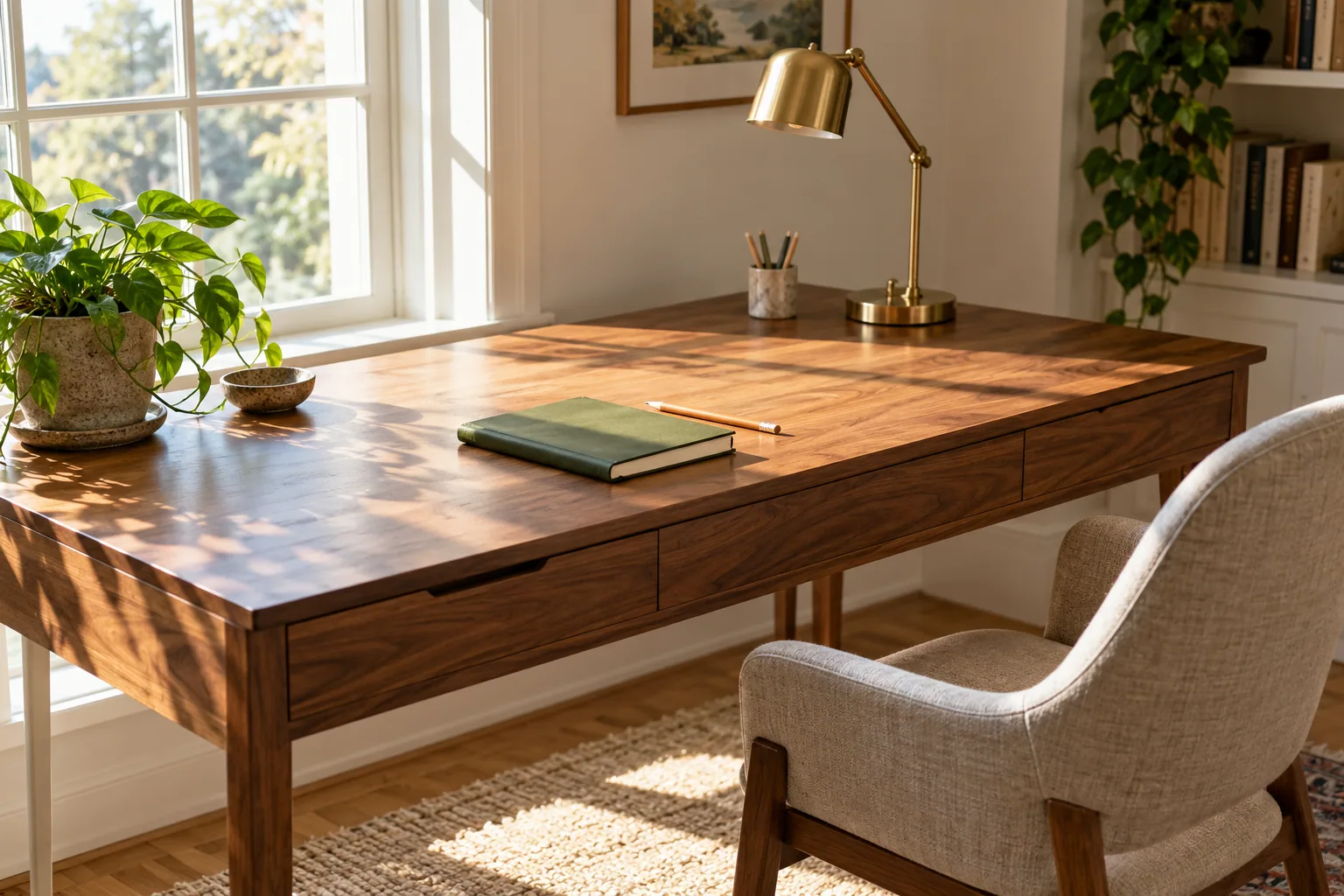
In a living room, the object may sit with books, photographs or family keepsakes as an expression of enduring companionship. There is no need to complete a set of every auspicious creature. Space around the objects makes their details easier to see.
A compact home may favor a lower piece with a secure footprint, away from a frequently moved narrow table. For a gift, the recipient’s preference matters; a gourd or longevity character offers another form if they do not enjoy tortoise imagery.
Material and workmanship shape the experience
A bronze-coloured object may be solid metal, coated material or resin. Read the description and check weight, dimensions and the underside against the furniture. Stone, ceramic and wood also have details vulnerable to being caught or knocked.
Shell patterning may be naturalistic or include writing and geometric forms. Examine the carving and finish rather than treating a darkened surface as evidence of age. A modern antique-style work can be appreciated without being a historical artifact.
Use material-appropriate dusting and support the body and base when moving the piece. Do not lift it by a projecting head or small attachment. A stable display lets the wish for endurance become part of normal life.
An ornament does not require a living animal
This guide concerns objects and cultural images. A live tortoise has species-specific environmental and long-term care needs; it is not an accessory for completing a mapped corner. An appropriate artwork can already express the intention.
The ornament also does not determine a household’s health, lifespan or career. Its role is to express endurance, steadiness and support within an actual setting. A wearable composition may offer another scale for those wishes.
Questions & answers
Is a dragon turtle the same as stele-bearing bixi?
The images can be related, but bixi has a specific architectural use. Modern ornaments should be read through their actual form and context.
Must a tortoise ornament be placed in water?
No. The material and construction determine suitable care.
Is a larger dragon turtle better for a desk?
Choose a scale that preserves working space and offers stable, visible display rather than size alone.