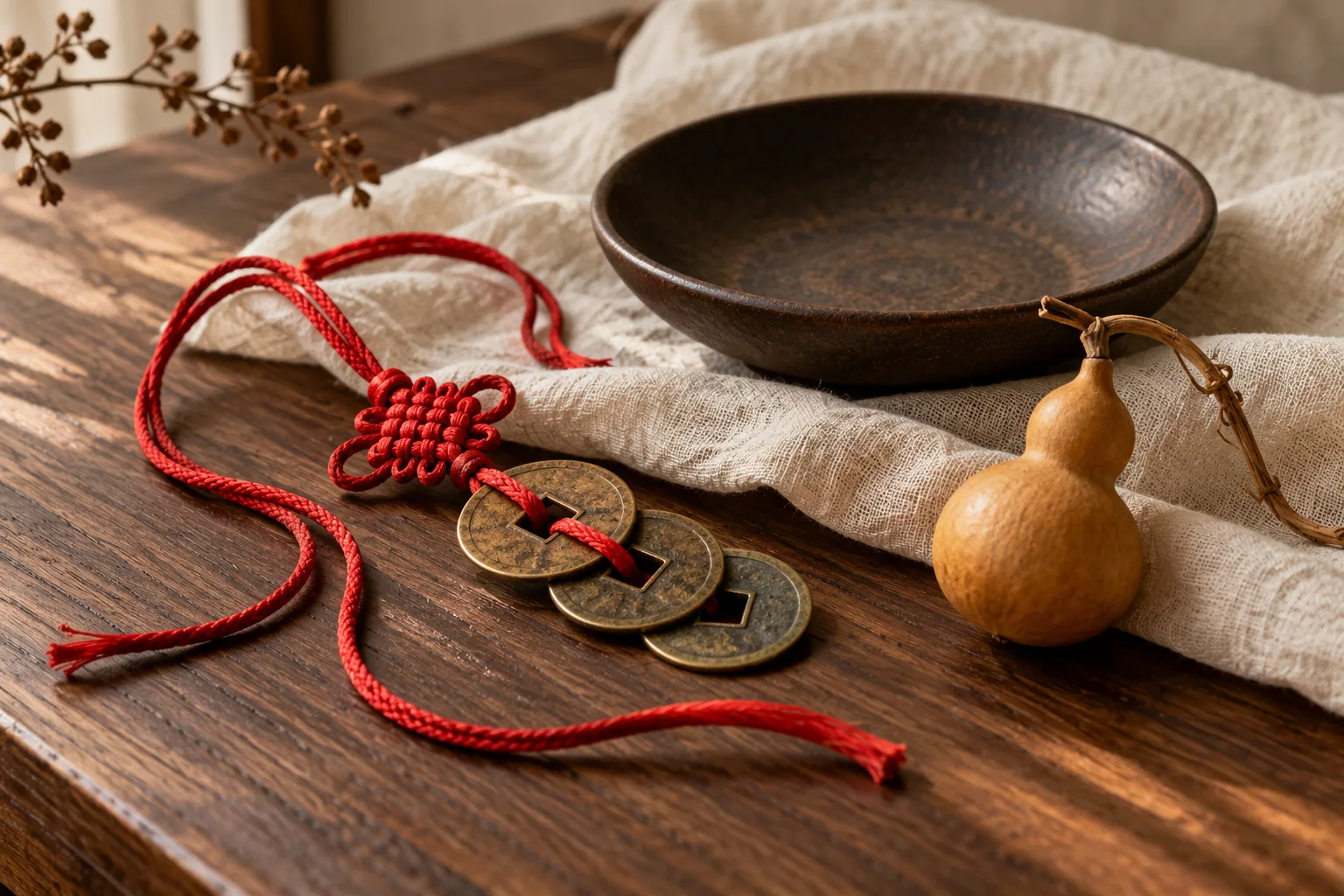
A vessel gives abundance a visible shape
The treasure basin appears in Chinese folk stories as an object that gathers or multiplies riches, often connected with Shen Wansan. Zhejiang Gongshang University’s merchant-culture museum discusses it in that legendary context. It records an imagination of abundance rather than proof that an object produces money.
A bowl’s inward form can organize coins, stone pieces or gold-coloured ornaments into a picture of keeping resources. A modern display can carry that cultural metaphor as a wish for a household or a new professional chapter.
Different vessels change the expression. A plain ceramic bowl emphasizes its contents, transparent glass reveals layers, and a deeper form suggests enclosure. More gold colour is not the only way to make the arrangement meaningful.
An open bowl and a wealth vase use different practices
Modern Feng Shui sources describe open wealth bowls whose objects remain visible. Wealth vases or religious treasure vases may have prescribed contents, sealing and placement. A shared abundance theme does not make the procedures interchangeable.
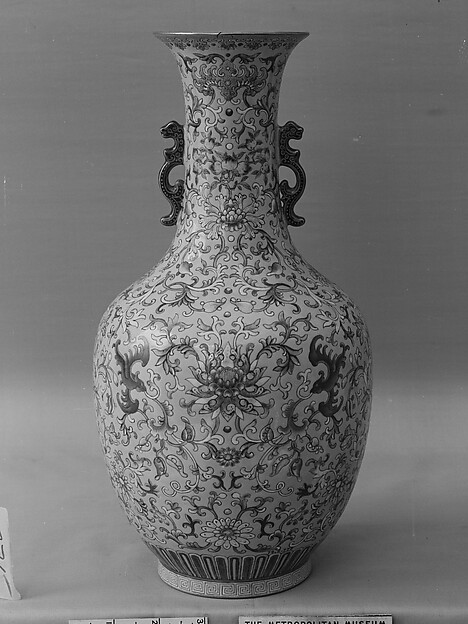
For an ordinary open display, choose objects whose meaning you understand and maintain them as needed. A vase prepared within a particular faith should follow its actual source tradition rather than an unrelated online craft list.
Contradictory advice to hide or display the vessel may therefore concern different objects. Identify the form before applying the instruction.
Give each item a reason to be there
Coins or coin-shaped pieces can express accumulation, a favored stone can represent something treasured, and a small keepsake can connect with a family or working milestone. Meaning comes from the combination and its story, without a universal requirement for expensive materials or a fixed count.
Read the material descriptions. A gold-coloured ingot may be resin or metal, a transparent component may be glass, and a new coin ornament differs from a historical coin. These distinctions help set a realistic budget and care routine.
Dry, easily cleaned contents make an open display manageable. Rice, herbs or other organic materials add questions of storage, moisture and replacement. Burning or smoke is not required to complete a decorative bowl.
- A stable vessel with access for viewing and cleaning.
- One principal symbol, such as a coin, ingot form or meaningful keepsake.
- A small number of companion pieces chosen for their actual materials and appearance.
- Enough open space to lift and clean items without disturbing an unstable heap.
Choose somewhere visible and maintainable
A living-room sideboard, a separate study shelf or another suitable display surface can accommodate the theme. Keep the base fully supported and leave room to clean. Narrow doorways, vibrating equipment and busy routes are poor places for loose small pieces.
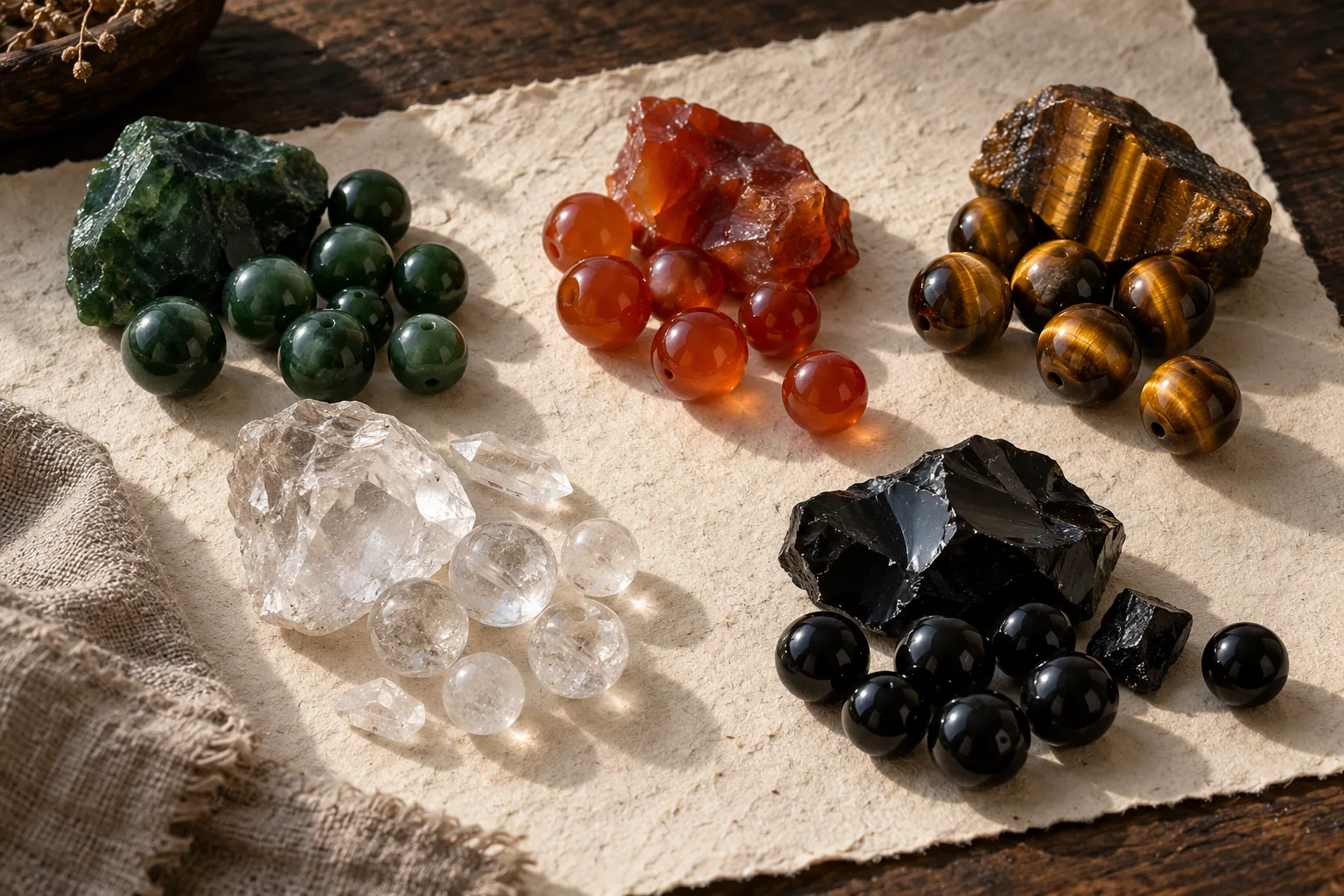
If following a wealth-area method, identify whether it uses the entrance, compass or annual chart. Advice for northwest and advice for a far-left corner may belong to different systems. A directional label does not remove the practical requirements of the position.
In homes with children or pets, choose a location appropriate for small hard objects. A smaller bowl with a few legible pieces may suit a compact room better than an overflowing arrangement.
Mark a new year, home or professional chapter
Arranging the bowl can become a personal intention practice: clean the pieces, decide what belongs and write a sentence for the present chapter. A new home might carry a wish for enough and for steadiness; a business beginning might emphasize lasting progress and good exchanges.
For a gift, explain why the vessel and its contents were selected, including any special care. A person who enjoys simplicity may prefer a plain bowl and one meaningful coin. A collector may be more interested in craft and origin.
Routine cleaning need not undo the meaning of an open display. It belongs to everyday care. A faith-specific prepared vase follows its own practice, keeping the two uses distinct.
A display of abundance can remain orderly
Review dust, moisture, unstable pieces and whether the contents still matter to you. Removing an unwanted or difficult-to-maintain item can make the remaining objects easier to appreciate.
A prosperity bowl expresses appreciation of resources and gradual accumulation. Turn a favourite meaning into a gift message, or carry the intention in a bracelet. Ready-made prosperity pieces offer an everyday option; a personal composition can draw on useful-element guidance, material preferences and a meaningful life stage.
Questions & answers
Must a money bowl be sealed?
An open wealth bowl differs from a prepared traditional vase. Follow the purpose and actual source of the object.
Does it need expensive crystals?
No. Clear material information and personal meaning matter more than filling it with costly pieces.
Can historical coins be included?
Consider their conservation and access. Avoid prolonged friction against other hard objects or destructive cleaning for display.