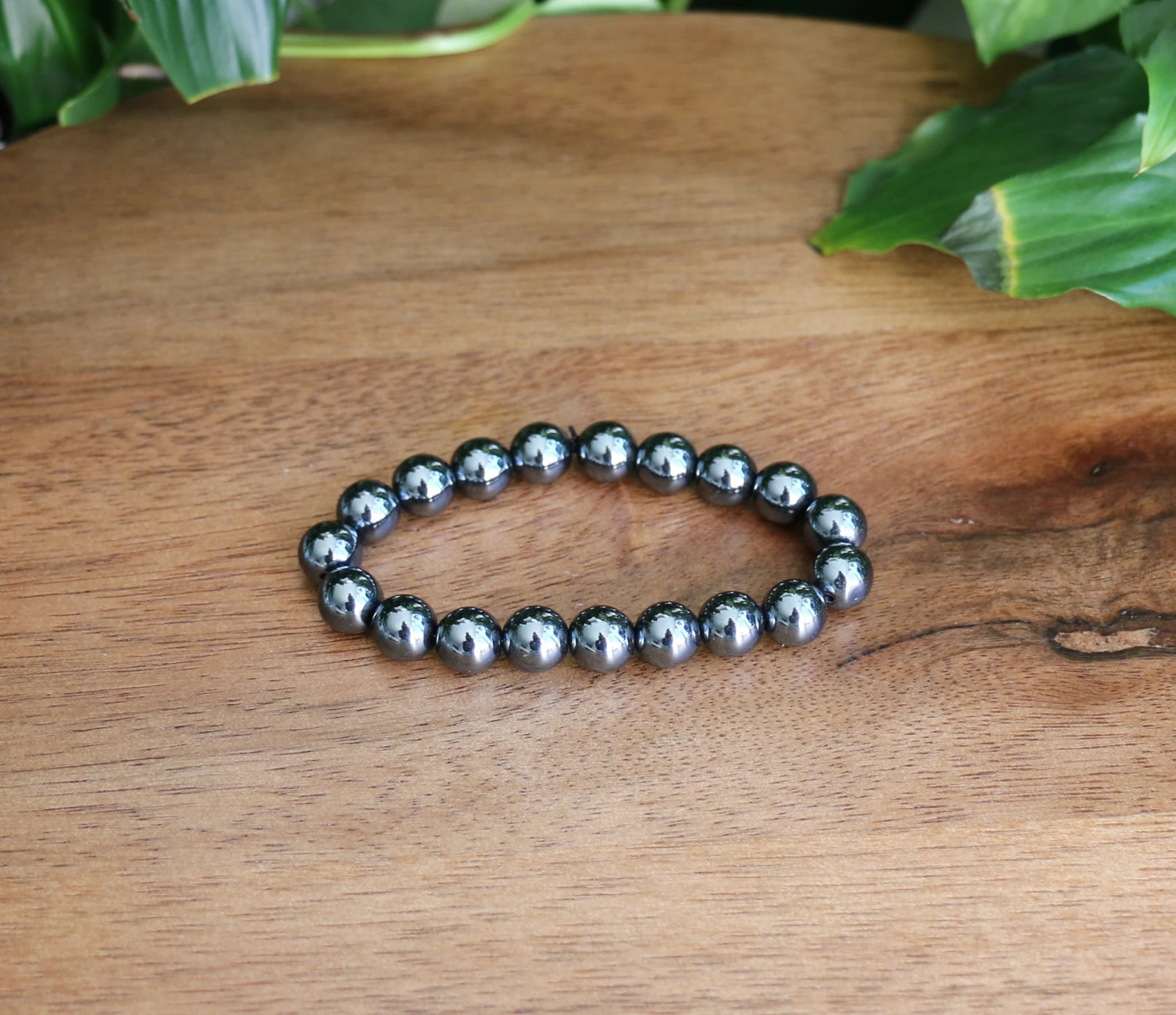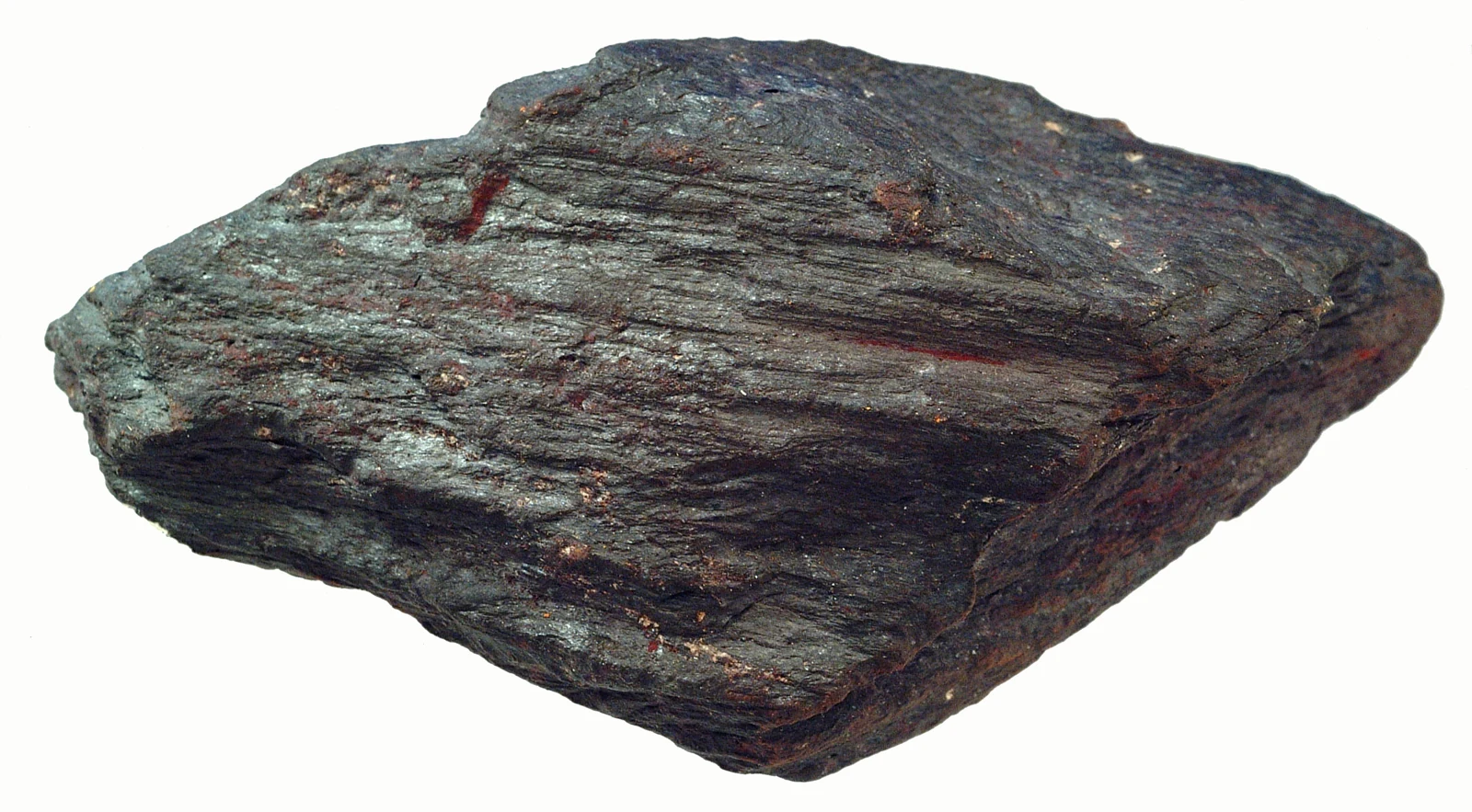
A gray surface with a red clue
Hematite is an iron oxide mineral. Jewelry commonly shows a steel-gray or black polished surface, while its powder streak is red to reddish brown. IGS records its use as a pigment as well as in carvings and beads. The streak does not mean that the gray surface is simply a painted coating.
Round beads reflect light continuously; facets divide it into smaller flashes. Used between pale stones, hematite creates a dark pause that gives a strand a more ordered rhythm. Its opaque, metallic-looking surface is different from the glassy appearance of obsidian, even when both look dark in a photograph.
Scratching or powdering finished beads is not a useful shopping exercise. Look at the finish, bead holes and available material information. Professional identification is the appropriate route when identity needs to be established; visual descriptions alone serve a different purpose.
Magnetism is not a shortcut to identity
Strongly magnetic products sold under hematite names can be manufactured imitations. GIA documented beads made from barium iron oxide, while also noting that genuine hematite can respond weakly to a magnet. Neither a simple attraction nor its absence supplies the whole answer.
Material identity, manufacturing or treatment, and deliberate magnetization are separate questions. Names such as hematine deserve a clear explanation from the seller. Magnetic strength does not by itself rank a bead’s quality or explain the meaning of a bracelet.
In BaZi design, a personal energy pattern refers to the birth-chart and Five Elements framework used to arrange a composition. That is distinct from the physical magnetism of a bead. An intention of steadfast work or protection can be expressed through the complete arrangement without using attraction between beads as its test.
Rainbow color and a complete bracelet’s price
Rainbow hematite can describe an iridescent surface or a treated decorative bead. A photograph of purple, blue and gold cannot establish how the color formed. If that appearance attracts you, information about the material and its surface finish is more useful than the rainbow label alone.
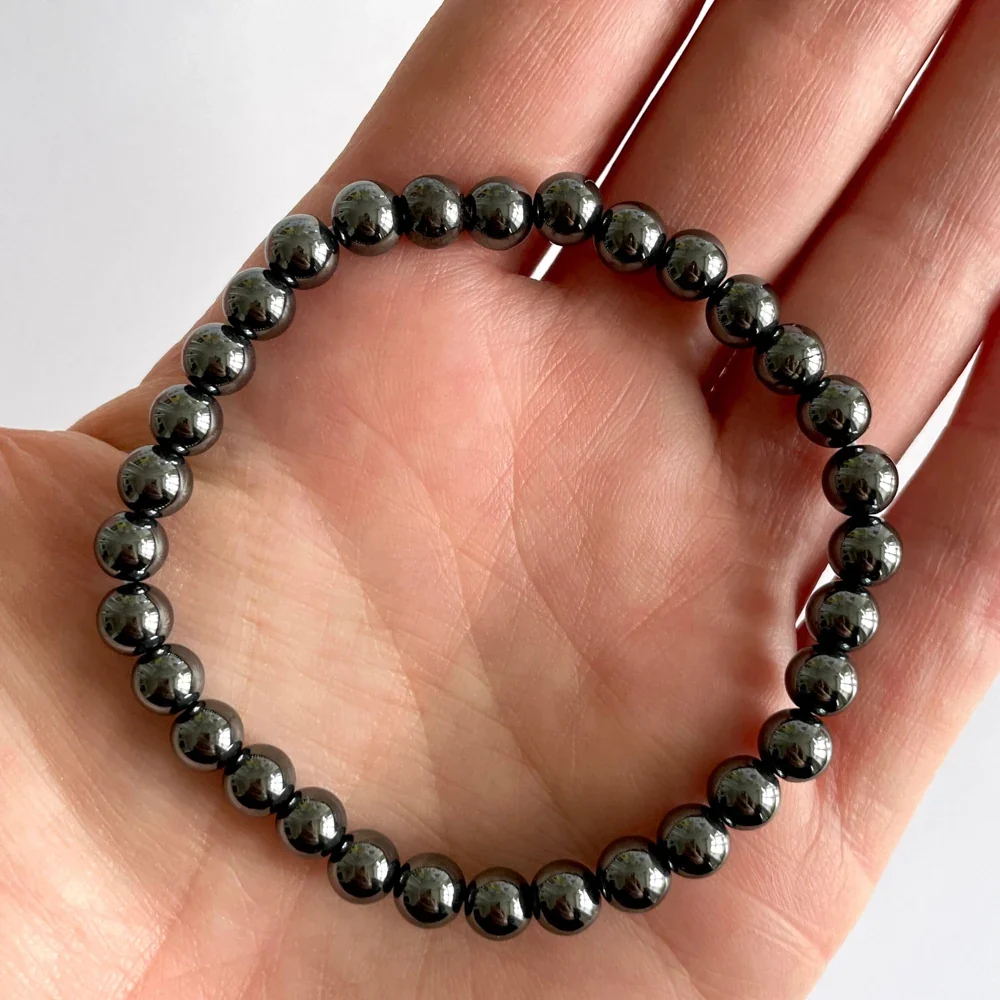
Bracelet pricing also includes diameter, roundness, polish and companion materials. A hematite-only strand and a mixed design with a few hematite accents are different objects. At a comparable bead size, inspect the finish, complete holes and how consistently the beads sit together.
Gray has its own range of character. A bright polish emphasizes a metallic appearance; a darker finish brings pale companions forward. Natural origin, colorful finish, magnetism and a higher price are not interchangeable descriptions. The complete piece should be the basis for comparison.
Resolve and an intention of steady purpose
Hematite’s steel-grey sheen suits a Metal-inspired wish for clarity, order and resolve. A plain strand keeps the surface continuous, while approximately 10 mm rounds give the study design a fuller presence. Choose a proportion you enjoy wearing alongside the intention.
Red agate combinations take a Fire protection direction; black onyx pairings can follow Water. The element theme belongs to the complete arrangement, not to one ingredient in isolation. A personal BaZi design considers favorable elements and annual and ten-year cycles when deciding that balance.
These intentions are separate from health claims. NCCIH does not support static magnetic jewelry as a reliable treatment for pain, and a mineral containing iron does not make a bracelet an iron supplement. Resolve and protection can remain meaningful wishes while the material’s actual purpose stays clear.
Looking after a reflective surface
A bright hematite finish can show fingerprints and fine wear. A soft cloth is useful for everyday care. Despite its hardness, impact still matters: remove the bracelet for sport, lifting or work that repeatedly presses it against metal. A ring and a pendant meet different stresses, so their care needs are not identical.
IGS advises gentle cleaning and avoiding steam or ultrasonic systems. A bracelet also includes cord and other beads, which need appropriate treatment. Dry it after cleaning, store it separately from sharp components and attend to damaged holes or worn cord before continued wear.
Questions & answers
Why is hematite named for red when the beads are gray?
Its powder streak is red to reddish brown, while the polished surface is often gray or black. Powder color and surface appearance are different characteristics.
Does stronger magnetism mean better hematite?
No. Strongly magnetic products may be manufactured imitations, while genuine material can show a weak response. Identity and treatment information are more useful than a magnet alone.
Are hematite and obsidian interchangeable materials?
No. Hematite is an iron oxide mineral; obsidian is natural volcanic glass. Similar dark colors do not make their structures, finishes or care identical.