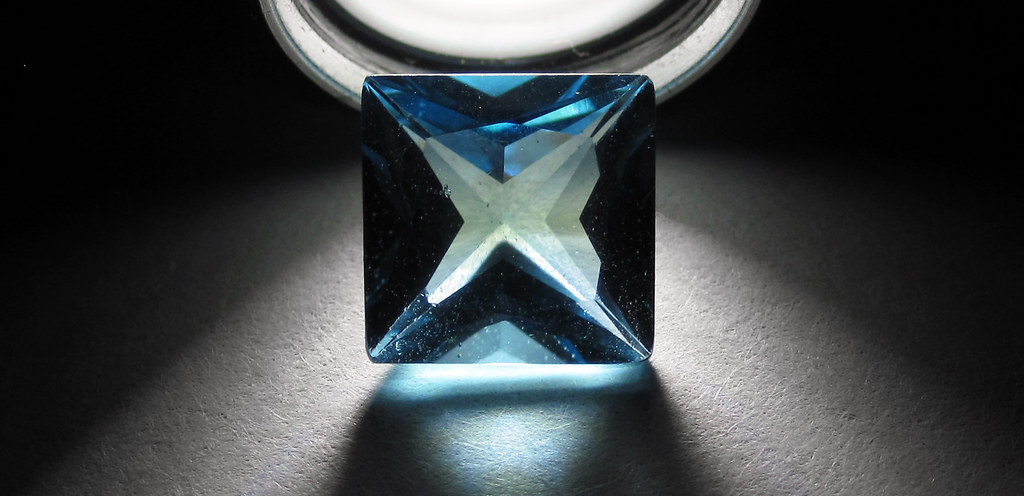
Cool blue, warm gold and softer pink
GIA describes a wide color range rather than a single blue gemstone. Some colors are common and others rare. A meaningful price comparison needs the actual color and quality identified, not only the name topaz.
Pale blue feels cool, yellow and orange warmer, and pink gentler. Facets organize color and light into distinct reflections, while smooth forms emphasize an overall tone. The rarest color is not necessarily the one you will most enjoy wearing; brightness and scale matter too.
Screens and lighting change impressions of blue or orange. Ordinary-light views from the front and side, together with measurements, give a trade color name context. A stone shown only under a strong spotlight may look quite different in daily conditions.
Blue treatment and rainbow coatings
GIA explains that the familiar strong blues of topaz usually result from treatment. Irradiation and heating can create blue from colorless material. This is not the same as glass imitating topaz. Natural origin, color treatment and material identity require separate descriptions.
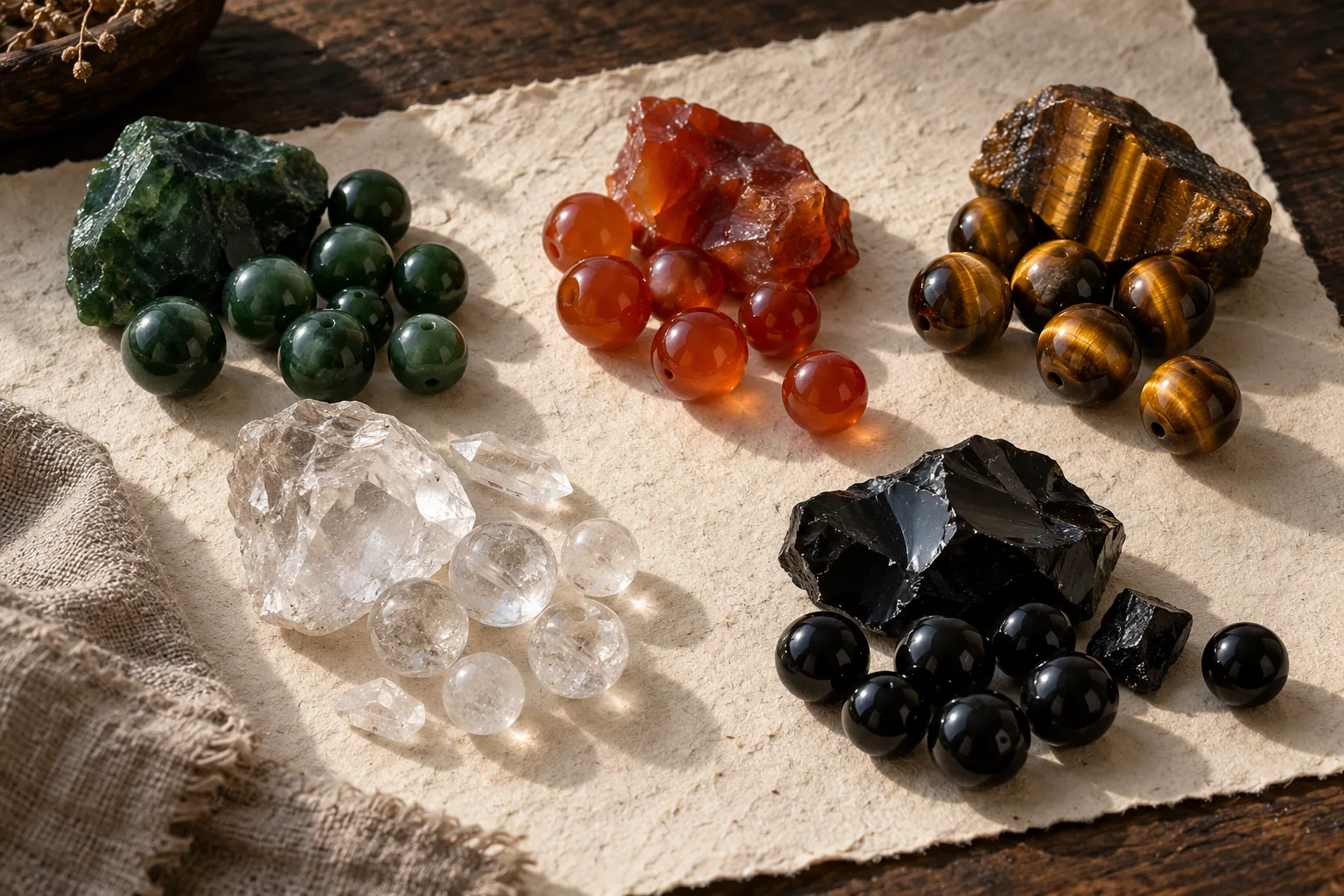
Rainbow-looking mystic topaz can owe its surface appearance to a coating. That finish has its own care needs: abrasion, repolishing or aggressive cleaning can affect it. Understanding the treatment is more helpful than assuming every color comes from within a natural crystal.
Treatment information does not describe workmanship. Facet finish, secure setting or clean bead holes still need attention. A treated color can be enjoyed when clearly explained, while a specific untreated preference needs corresponding support.
Imperial topaz and misleading relatives
Imperial topaz is a valued trade term, but GIA notes the absence of one official color standard. Sellers can use it for somewhat different orange, pink and red tones. Actual color and quality contribute value, rather than the title alone.
Citrine is quartz, aquamarine is beryl and topaz has its own mineral identity. Historical or commercial terms such as topaz quartz and smoky topaz can cause confusion. A similar yellow, brown or blue does not turn one mineral into another.
Size also affects different topaz categories differently. Common blue and rarer pink-orange material do not necessarily share a price progression. Loose gems, beads and mounted jewelry include different work. A single chart cannot skip color, treatment, clarity and construction.
November and a wish expressed through color
Topaz is a November birthstone, often mentioned alongside citrine in birthday traditions. Warm color can suit abundance and a joyful new year; clear blue can express an open path or peaceful journey. A color the recipient enjoys often makes a gift more personal than a long list of meanings.
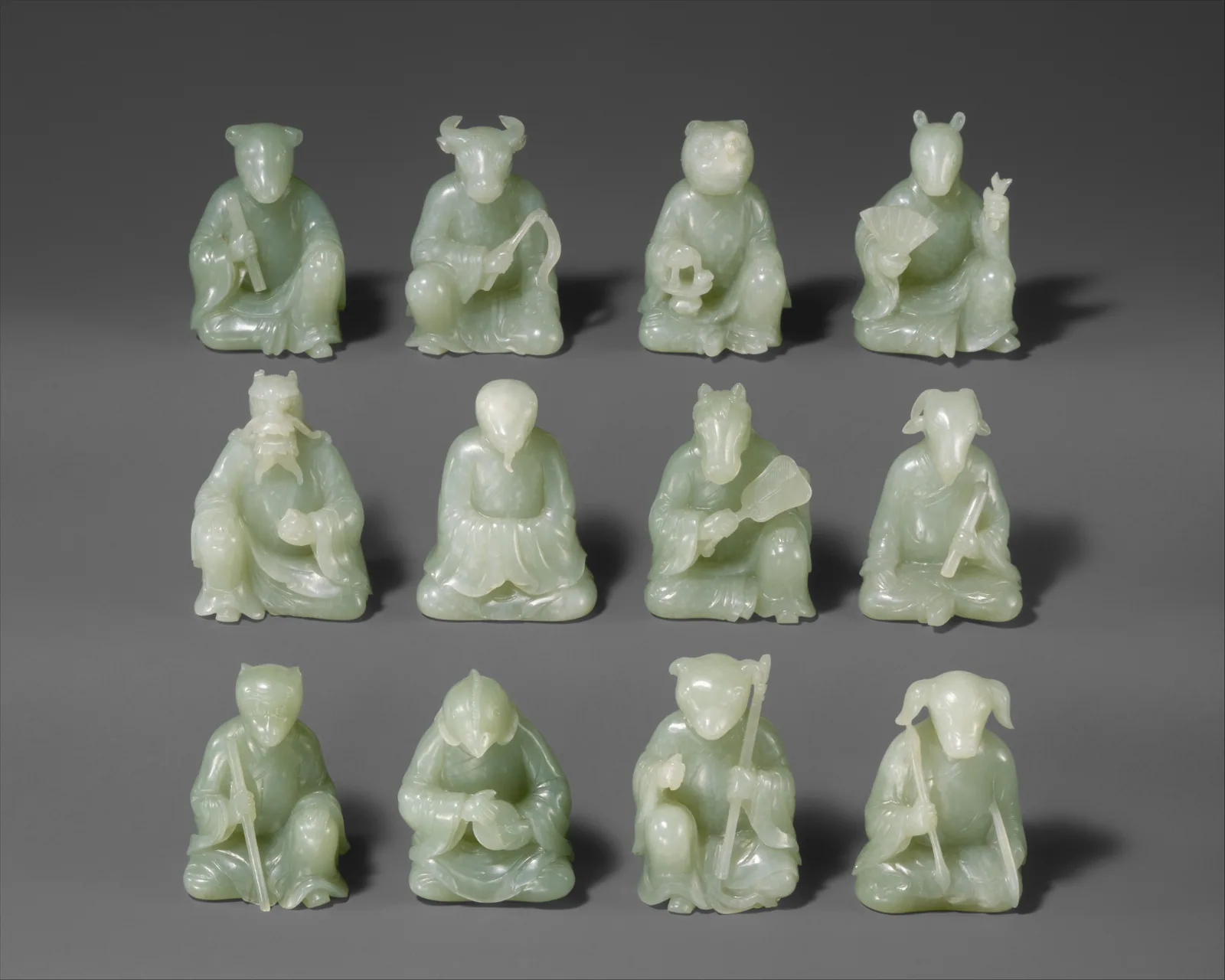
Five Elements design can draw on color and companions without assigning one fixed interpretation to every example of a mineral. Personal BaZi work considers the energy pattern, favorable elements and annual and ten-year cycles. A birth month offers a commemorative reason; complete birth details offer a different personal context.
The colors explained on this knowledge page are not a claim that every variety is stocked here. Actual design requires the relevant material and specifications. A blue bead cannot simply substitute for every blue gemstone under one name.
Hardness 8 still needs protection from blows
Topaz has a Mohs hardness of 8, but GIA emphasizes its cleavage and vulnerability to a hard blow or pressure. Scratch resistance and resistance to breaking are different properties. Less exposed jewelry forms can be easier to care for.
Corners, thin edges and drilled holes deserve attention. Remove pieces for sport, heavy work or repeated contact with equipment. Hard topaz may also scratch a softer companion stone, making the complete object the basis for care.
Use warm soapy water, avoiding steam, ultrasound and sudden temperature changes. Coated material also needs protection from abrasion and heavy polishing. Dry before separate storage and tell a repairer about both the identity and treatment information.
Questions & answers
Is blue topaz usually naturally blue?
The familiar strong commercial blues usually result from treatment. Treated topaz and blue glass imitation are different categories.
Is imperial topaz a universal grade?
No. Color and quality need specific descriptions; the trade title alone does not determine value.
Does hardness 8 mean it cannot break?
No. Hardness and toughness differ. Cleavage leaves topaz vulnerable to impact, pressure and abrupt temperature changes.
Can citrine be called yellow topaz?
The names should not be interchanged. Citrine is quartz and topaz is a different mineral, even when their colors resemble one another.