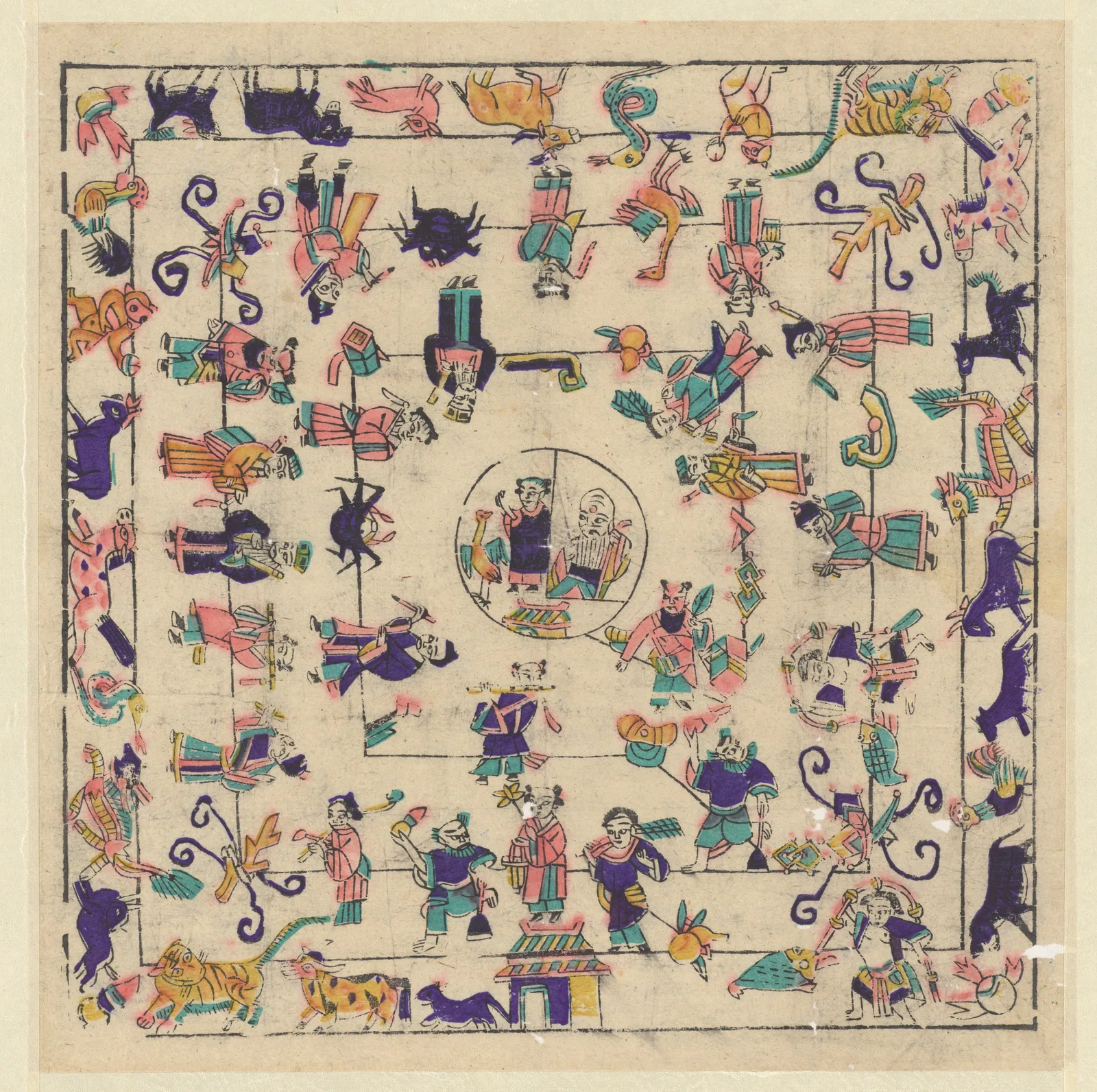
Annual Tai Sui and the sixty-year cycle
Hong Kong’s Chinese Temples Committee describes Tai Sui deities corresponding to the sixty stem–branch combinations, with one presiding each year. Metaphysical texts also use Tai Sui in discussing the annual designation and its relationship with natal pillars and luck cycles. The same term can have different emphases.
San Ming Tong Hui distinguishes natal-year and annually changing Tai Sui and discusses the year alongside the luck cycle. Even within the traditional framework, identifying one animal does not complete an individual annual reading.
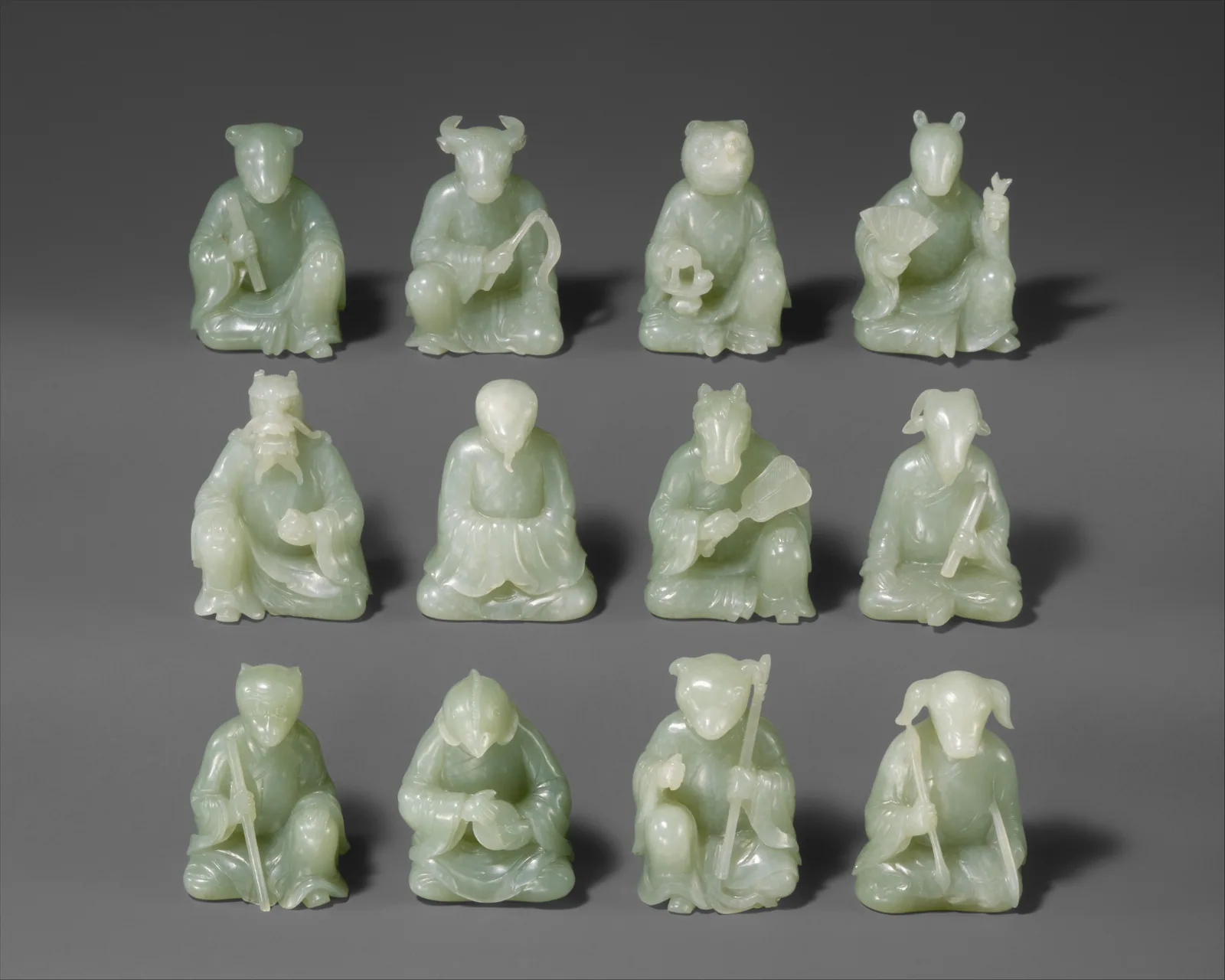
A folk zodiac return usually comes every twelve years, while the full designation repeats after sixty. In 2027, Goat readers share the annual branch; someone born in 1967 Ding-Wei also encounters the same full year name. These are related but distinct returns.
Sharing, clash, punishment and harm
These terms describe traditional relationships between a birth-year branch and an annual branch, not moral judgments. The expression fan tai sui does not mean a person has behaved badly or deserves punishment.
The table gives common examples. Some traditions include break relationships or apply different conditions to punishment groups. A longer list may therefore reflect different categories rather than more complete knowledge of a person.
Swipe to see the full comparison
| Term | Basic relationship | Example |
|---|---|---|
| Sharing the annual branch | Birth-year and annual branch are the same | Goat in the 2027 Wei year |
| Clash | A six-clash branch pair | Ox Chou with Goat Wei |
| Harm | A traditional six-harm pair | Rat Zi with Goat Wei |
| Punishment | A traditional relationship with conditions | Chou–Wei–Xu requires fuller chart context |
What changes from 2026 to 2027
The annual designation changes from 2026 Bing-Wu Horse to 2027 Ding-Wei Goat. Branch relationships change with it: Zi–Wu clash differs from Zi–Wei harm, while Wu–Wei forms a harmony pair. A previous year’s list cannot simply receive a new title.
For 2027, Goat shares the branch, Ox clashes with Wei, Rat forms a harm relationship and Dog’s Xu enters Chou–Wei–Xu punishment discussions. These identify traditional relationships without revealing a person’s actual work, relationship or family outcome.
Harmony and other interactions can coexist in a full chart, and a three-harmony group needs its conditions considered. Natal pillars, favorable elements and the current luck cycle give the terminology its personal setting.
State the year boundary being used
Folk animal years commonly change at Lunar New Year, while BaZi year pillars commonly use Li Chun. HKO gives the calendar facts: Li Chun 2026 is February 4 at 04:02 and Lunar New Year February 17; Li Chun 2027 is February 4 at 09:46 and Lunar New Year February 6. Times are Hong Kong time, UTC+8.
Between Li Chun and Lunar New Year, a date may retain the older folk animal year while the BaZi year pillar has changed. Overseas and near-transition births require the original local time, place and calendar.
Astronomy establishes the solar-term timing; a traditional method decides how to use that boundary. Keeping those roles clear prevents a date source from being presented as proof of a personal fortune outcome.
Blessing customs and personal participation
Temple traditions may include annual prayers, written petitions and year-end thanks, with local differences. Sik Sik Yuen’s public description provides one example of a petition ritual. Participation should follow the actual venue’s published practice rather than treating one online sequence as universal.
Talismans, animal motifs and red objects may accompany personal New Year customs. A normal product purchase does not automatically establish consecration, a performed temple ritual or an authorized religious service. The actual service and object should be clearly described.
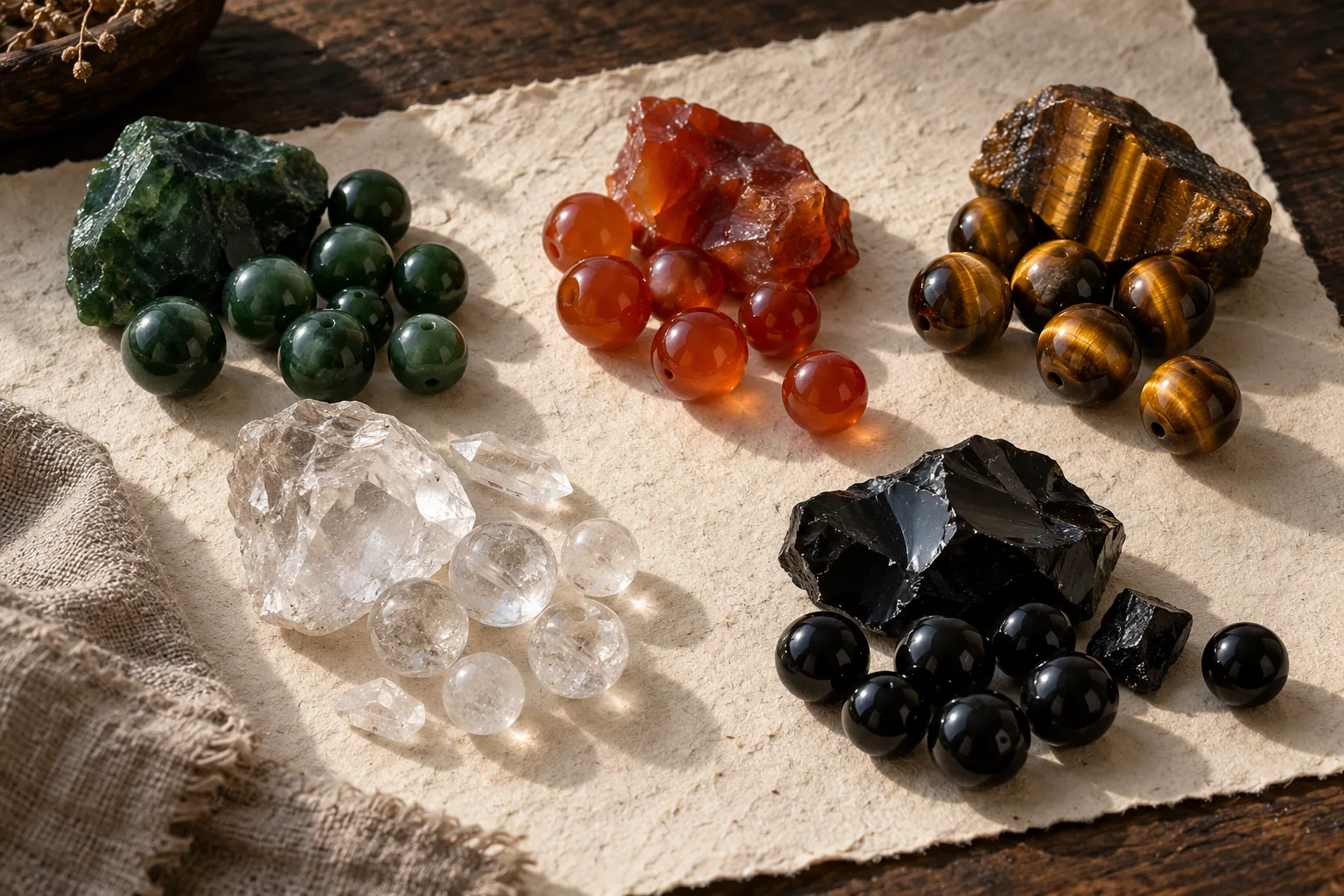
A Five Elements bracelet carries a zodiac-year blessing into daily life through soft jade tones, quiet black or celebratory warm colors. A personal composition brings birth-chart context, favorable elements and the annual cycle into the choice of beads and color, connecting the wish for a peaceful year with your own intention.
A protection wish in everyday life
A zodiac-return year can be a moment to consider family harmony, purposeful work, a safe journey or a closer relationship. The intention need not begin with an assumption of disaster or explain every changing plan as the action of Tai Sui.
Red agate, dark obsidian and jade offer different visual expressions in existing designs. Bead size, wrist fit and routine matter as well. A personal composition can then use complete birth details to discuss favorable elements and materials.
Questions & answers
Does fan tai sui mean someone did something wrong?
No. It describes traditional annual relationships, not moral blame or deserving punishment.
Is a zodiac return the same as a sixty-year return?
The animal commonly returns every twelve years; the complete stem–branch name repeats every sixty.
Why do Tai Sui lists differ?
They may include different categories, boundary conventions or conditions. Read the stated framework rather than judging by list length.
Does buying a protection bracelet mean a temple ritual was performed?
No. A wearable object and a temple blessing are separate offerings with their own explicit arrangements.