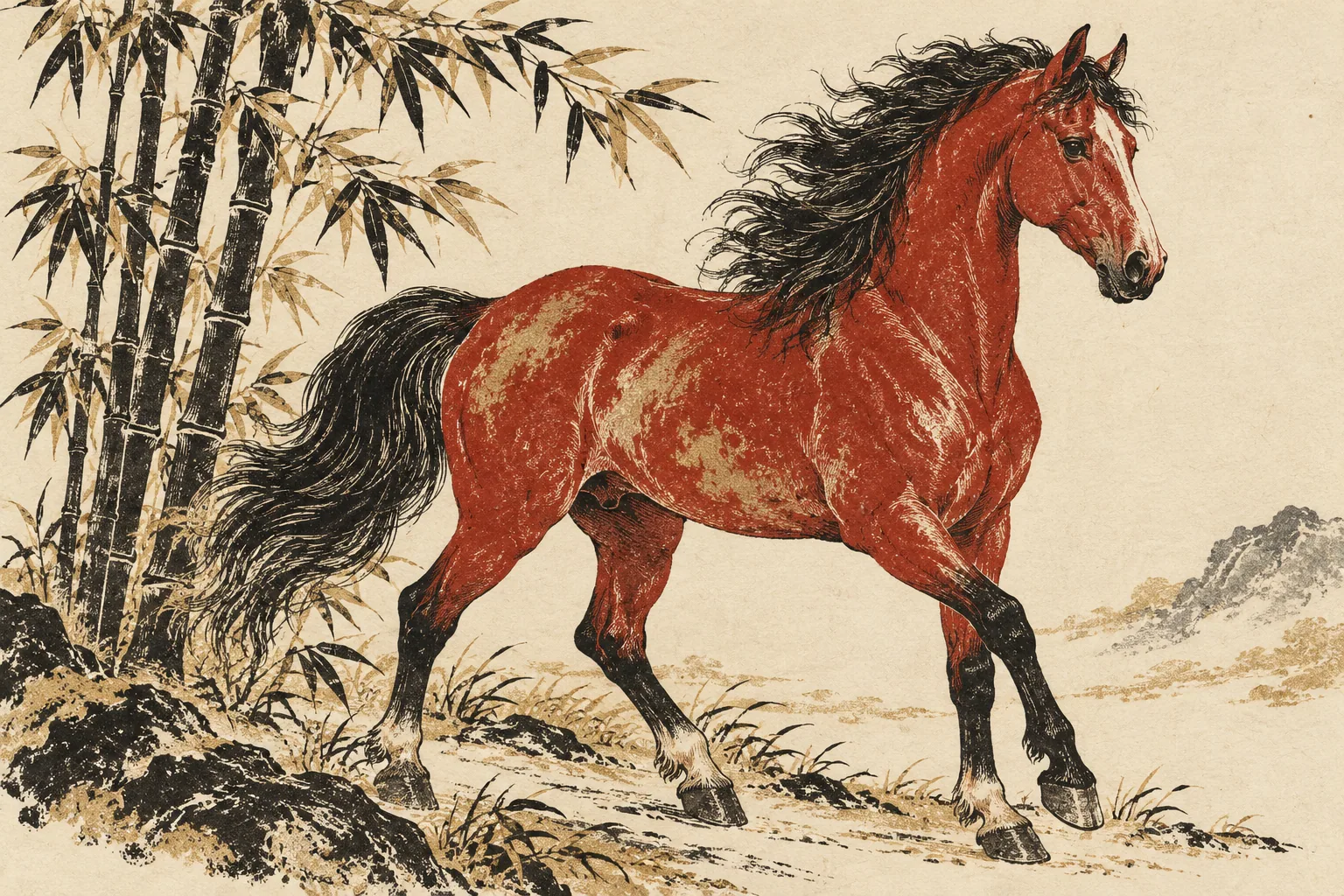
Three starting points in 2026
HKO’s February almanac places Li Chun on February 4 at 04:02 and Lunar New Year on February 17, Hong Kong time, UTC+8. The Gregorian year begins January 1, the folk Horse year commonly begins at Lunar New Year, and the usual BaZi year pillar changes at Li Chun.
Between the solar-term moment and February 17, folk reckoning remains in the Snake year while a Li Chun-based pillar is already Bing-Wu. Lunar New Year 2027 is February 6, so the folk Horse year continues through February 5.
Overseas and near-boundary births need the original local time and place. The astronomical dates establish timing rather than predict personal outcomes.
Swipe to see the full comparison
| Time convention | 2026 starting point | Use |
|---|---|---|
| Gregorian year | January 1 | Everyday calendar dates |
| Common BaZi year pillar | February 4, 04:02 HKT | Stem–branch pillar reference |
| Folk animal year | February 17, Lunar New Year | Festival and zodiac-year custom |
What Fire Horse describes
Bing is a Yang Fire stem and Wu the Horse branch with a Fire association. Both 1966 and 2026 are Bing-Wu, sixty years apart. The previous Horse year, 2014, was Jia-Wu Wood Horse: the animal and full designation repeat on different cycles.
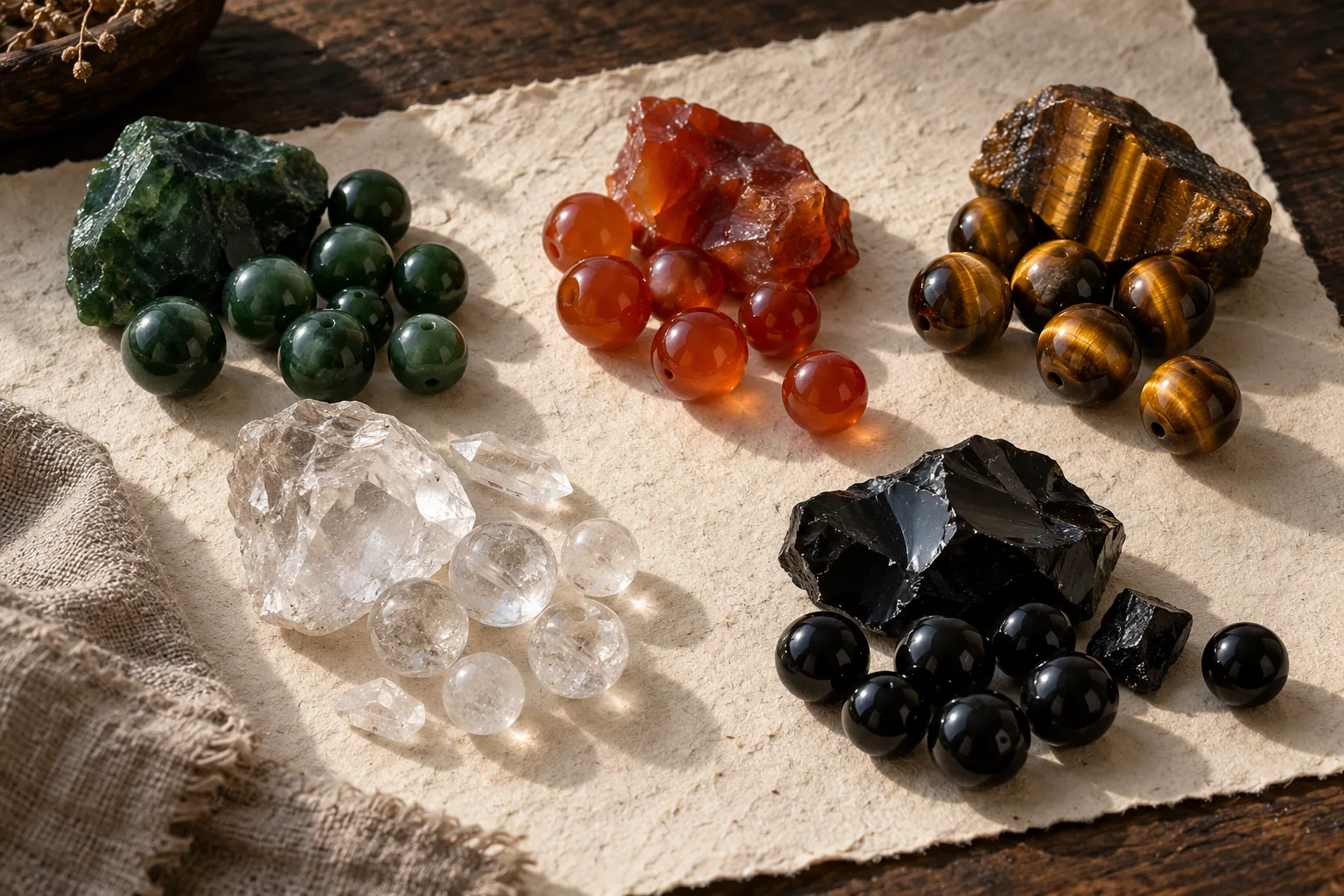
The Met’s Horse exhibition connects the image with strength, transport, travel and a broad cultural role. A graduation, professional beginning or journey can use it to wish for direction and courage, together with a safe return.
Fire in the year name does not mean everyone needs Water or cool-colored materials. Favorable elements depend on the Day Master, season and complete natal pattern. The annual year enters that existing context rather than replacing it.
Traditional relationships with Wu
Wu–Wei is Horse–Goat harmony; Yin–Wu–Xu groups Tiger, Horse and Dog; Zi–Wu is Rat–Horse clash; Chou–Wu is Ox–Horse harm. San Ming Tong Hui discusses these as branch relationships whose full conditions still matter.
Horse readers encounter the same annual branch, commonly called a zodiac-return year. Wu–Wu also appears in traditional self-punishment discussions, but the term alone does not determine a shared event for everyone. Natal pillars and the current luck cycle provide the personal setting.
Harmony can inspire a shared-purpose wish, while other relationships can prompt a closer reading of the chart. An animal list does not supply fixed monthly earnings, romance or promotion results. The Tai Sui page explains the vocabulary and customs.
Annual directions and an actual home
Traditional almanacs associate the annual branch with a Tai Sui direction and the opposing branch with Sui Po. Wu corresponds to south and Zi to north, providing the cultural basis for those 2026 references. This is a different question from a wearer’s animal year or bead materials.
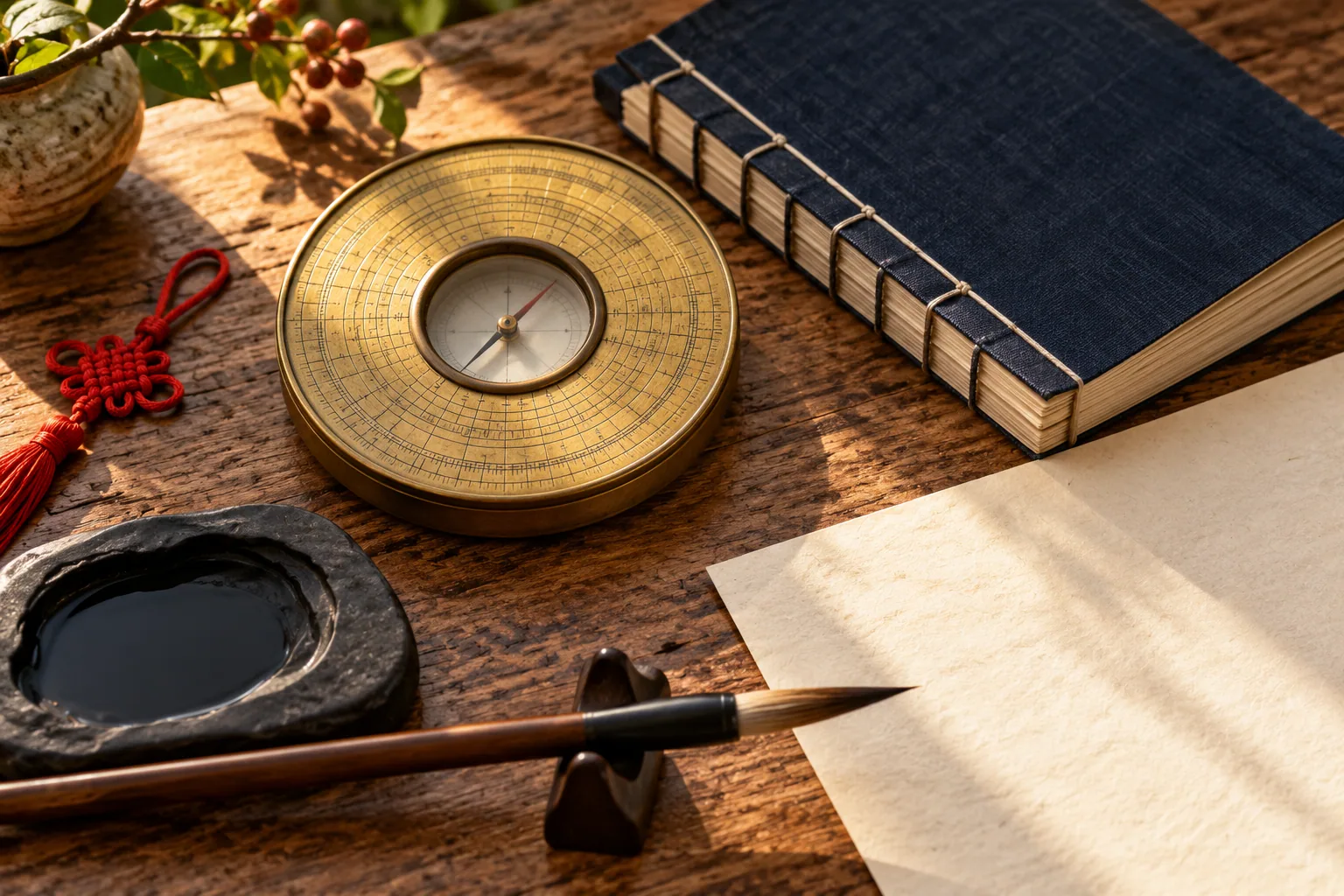
Actual compass directions need to be established for the building; the top of a drawing or the left side of a desk is not automatically a particular direction. Circulation, daylight, room use and household needs also matter. A spatial consultation should use the layout and orientation together.
New Year tidying can support clear routes, usable study and work areas and room for shared family life. Traditional directional stories can coexist with comfort without turning every corner into an obligation to buy an object.
A new chapter and the coming year
A professional beginning can carry resolve, travel protection and family gatherings harmony. Existing red agate, tiger’s-eye, aquamarine and jade designs offer different expressions. The actual materials and wearer’s preferences matter without requiring a Horse-shaped charm.
In 2027 the designation changes to Ding-Wei and the annual branch to Wei. Individual ten-year luck cycles do not all change at New Year; they have their own starting and transition contexts. Annual and decade-scale readings should remain distinct.
A personal bracelet can relate the birth-chart energy pattern, favorable elements and annual wish to the chapter the wearer is living. The cultural intention then accompanies a real, wearable composition.
Questions & answers
Is every January 2026 birth Fire Horse?
No. Lunar New Year is February 17 and Li Chun February 4 at 04:02 HKT. Identify the animal-year or pillar convention first.
Does Fire Horse mean everyone should add Water?
No. The annual name is not a personal favorable-element assessment; the full natal chart matters.
Must a zodiac-return year bring misfortune?
Sharing the branch does not determine an individual outcome. Traditional annual interpretation also uses the full chart.
Can the 2026 relationships be reused for 2027?
The branch changes from Wu to Wei, so harmony, clash and other relationships need to be understood for the new year.